





| Review Article | ||
Open Vet. J.. 2026; 16(7): 4878-4890
Open Veterinary Journal, (2026), Vol. 16(7): 4878-4890 Review Article Viral infections in honey bees: Challenges, consequences, current treatment, and recommendationsTanveen Kaur Soni1, Iram Malik2, Ghulam Jaffar3, Elsevar Asadov4, Sheryar Afzal5*, Yuan Seng Wu6, Ibrahim Albokhdaim5, Sameer Alhojaily5, Ali Tahirov7, Neeraj Kumar Fuloria8, Shivkanya Fuloria8, Abdelrahman M. A. Elseory9, Khalid Ahmed Magzoub101Department of Biosciences, JIS University, Kolkata, India 2Department of Chemistry, Government Graduate College for Women, University of Sargodha, Sargodha, Pakistan 3Department of Wildlife & Ecology, Discipline of Zoology, One Health Research Group, Wildlife Epidemiology and Molecular Microbiology Laboratory, University of Veterinary and Animal Sciences, Lahore, Pakistan 4Department of Basic Medical Sciences, Nakhchivan State University, Nakhchivan, Azerbaijan 5Department of Biomedical Science, College of Veterinary Medicine, King Faisal University, Al-Ahsa, Saudi Arabia 6Department of Biological Sciences, School of Medical and Life Sciences, Sunway University, Selangor, Malaysia 7Department of Veterinary Medicine, Nakhchivan State University, Nakhchivan, Azerbaijan 8Faculty of Pharmacy, AIMST University, Kedah, Malaysia 9Department of Anatomy, College of Veterinary Medicine, King Faisal University, Al-Ahsa, Saudi Arabia 10Department of Public Health, College of Veterinary Medicine, King Faisal University, Al-Ahsa, Saudi Arabia *Corresponding Author: Sheryar Afzal. Department of Biomedical Science, College of Veterinary Medicine, King Faisal University, Al Ahsa, Saudi Arabia. Email: safzal [at] kfu.edu.sa Submitted: 02/02/2026 Revised: 03/05/2026 Accepted: 15/05/2026 Published: 20/07/2026 © 2025 Open Veterinary Journal
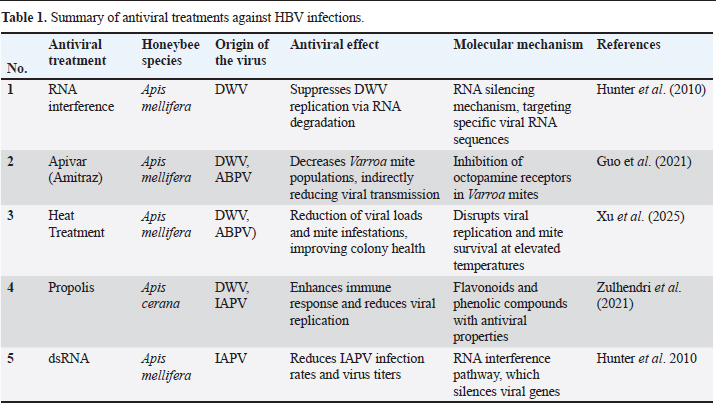
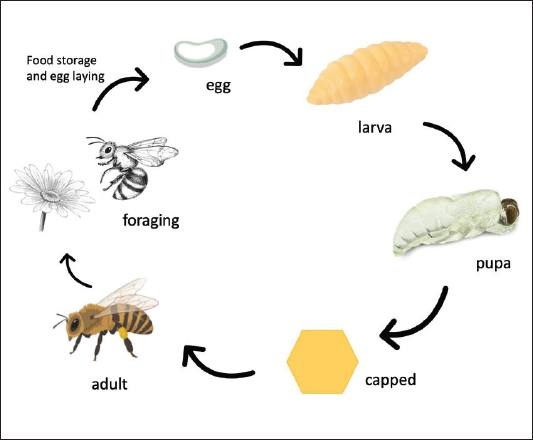
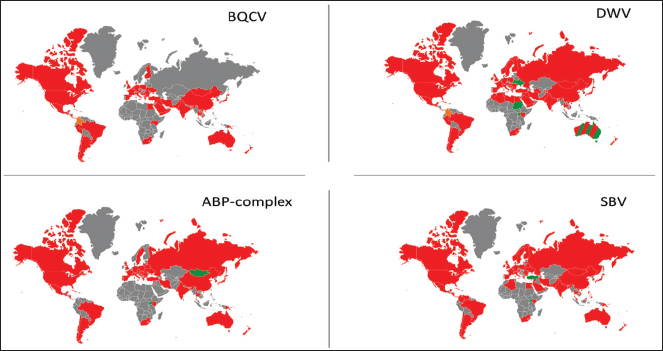
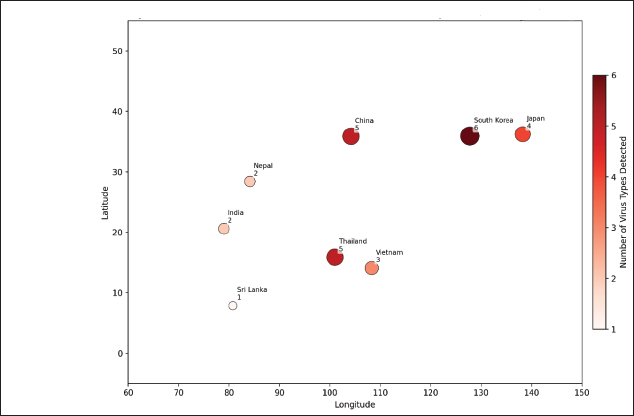
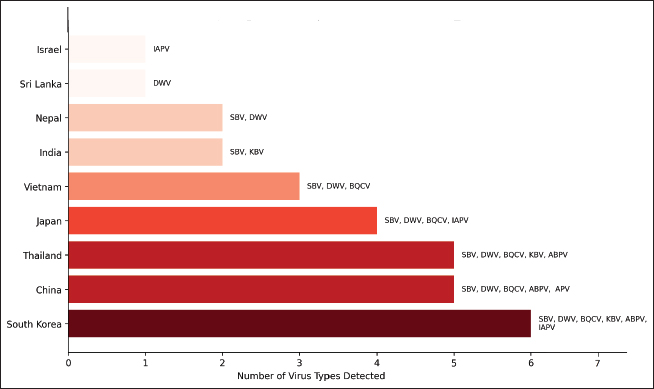
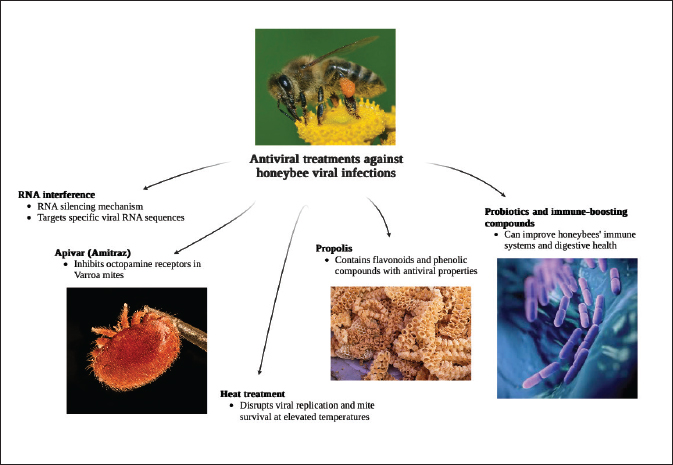
ABSTRACTHoney bees are essential for ecosystem health and crop pollination, but their numbers have declined globally in recent years. Scientists, decision-makers, and beekeepers are concerned about the decline of the bee population, one of the main causes of which is viral diseases. This study aims to provide an overview of the impact of viral infections on bee populations and the effectiveness of available treatments, such as antiviral drugs, against bees. The prevalence, distribution, and impact of viruses infecting bees in most Asian countries, including China and Pakistan, were discussed. Deformed wing virus (DWV), Israeli acute paralysis virus (IAPV), and Sacbrood virus (SBV) are quite common. However, the prevalence and distribution of these viruses vary among Asian countries due to several factors, such as pesticide use, beekeeping practices, and climate conditions. Emerging antiviral strategies, including RNA interference, plant-derived compounds (e.g., propolis), heat treatment, amitraz, and integrated mite management, show promise in reducing viral loads. However, concerns regarding how these treatments will affect bee health in the long term must be addressed. Information obtained from this study underscores the importance of educating beekeepers, government representatives, and citizens on how to manage bee health and safeguard them from viral diseases that can harm crops and ecosystems. In addition, insecticides and related risks should be studied for their potential impact on pollination and ecological equilibrium. Keywords: Antiviral drugs, Deformed wing virus, Educating beekeeper, Honey bees, Probiotics. IntroductionThe honey bee is arguably one of the most crucial pollinators globally. Its annual contribution of roughly $200 billion is indicative of their significance (Potts et al., 2016). The global value of bee pollination services is estimated to range from about 235–577 billion dollars annually (Gallai et al., 2009). Thus, honey beekeeping is an important economic industry. Annual population losses highlight significant health problems for bees, and viral diseases in particular emphasize their ecological importance (Grozinger and Flenniken, 2019). In addition, the decline of bee populations poses a significant threat to ecology and biodiversity. Their populations have recently declined worldwide due to risk factors such as disease, pesticide exposure, habitat loss, and climate change (Manzoor and Pervez, 2021). One of the major factors causing the decline in the bee population is virus infection. Bees have been reported to be susceptible to several viruses, such as the Kashmir bee virus (KBV), Israeli acute paralysis virus (IAPV), and deformed wing virus (DWV) (Ullah et al., 2021). DWV and IAPV are the 2 viruses that most commonly infect bees. These viruses can cause various symptoms in bees, such as deformed wings, shortened lifespan, and colony collapse (Chen et al., 2014). Honey bees play a key role in pollinating crops in Asian countries. Understanding the impact of viruses on bees and evaluating the effectiveness of current treatments are important. China and Pakistan, two large Asian countries, boast large bee populations and use different beekeeping techniques. Unfortunately, both countries have experienced the harmful effects of viral infections in bees. The prevalence and widespread distribution of these viruses in China and Pakistan raise concerns about their impact on bee health (Pervez and Manzoor, 2023). Scientists are exploring alternative sources to address food security, and honeybees are crucial for food production. Understanding viral infections and evaluating treatments are essential for safeguarding agricultural output and protecting natural pollinators (Siddiqui et al., 2024). Mathematical and statistical models play a crucial role in understanding the dynamics of viral spread within honeybee colonies and evaluating potential control strategies (Betti and Shaw, 2021). Epidemiological models, such as compartmental Susceptible–Infectious–Recovered frameworks, have been adapted to simulate the transmission of viruses such as DWV and IAPV. These factors include vector dynamics (e.g., Varroa mite density), colony population structure, and environmental stressors (McAfee et al., 2025). Statistical approaches, including regression analyses and spatial modeling, can be used to identify risk factors associated with viral prevalence and colony losses. These models enable the assessment of intervention efficacy, such as RNAi treatments, mite control, or hive management practices and guide the development of data-driven, integrated pest management strategies to mitigate viral impacts on honeybee health (Chen et al., 2021). This review highlights the impact of bee viruses on bee health and survival in Asian countries, focusing on China and Pakistan, as well as their prevalence and distribution. It also summarized the suitability of available treatments for the treatment of viral infections in bees. Life cycle of the honey beeA typical honey bee colony has 3 castes: the fertile female queen, sterile female workers, and drones. Haplodiploidy determines honeybee sex. Fertilized (diploid) eggs are transformed into females, and unfertilized (haploid) eggs are transformed into males. Regardless of caste, all honeybees pass through four stages of the developmental process: egg, larva, pupa, and adult. The queen deposits an egg individually in the wax cells of the comb. These eggs hatch into maggot-like larvae after approximately 3 days. These larvae are initially nourished with royal jelly and subsequently with a mixture of pollen and honey called bee brood supplied by workers. The larval stage lasts about 6 days, during which rapid growth and multiple molts occur. The cell where the larva is present is capped with wax, where it spins to form a cocoon. The final larval stage metamorphoses into the pupa stage, where internal organs and external structures differentiate (Fig. 1). The pupal phase spans 7–8 days for queens, 12 days for workers and 14–15 days for drones. The pupae undergo final molting and emerge as adults by chewing the wax of its cell. The total development time varies for each caste. Queens, workers, and drones take 16 days, 21 days, and 24 days to develop from egg to adult. Adults assume caste-specific roles upon emergence: queens primarily reproduce and can live 2–5 years. Workers perform colony maintenance and foraging with a lifespan of 4–6 weeks in summer, and drones function during mating. They have a survival rate of 8 weeks (Schneider, 2015). Honey bee virusBees (Apis mellifera) are important agricultural pollinators and are important for the growth of many flowering plants. Pollinators are responsible for the pollination of several plants, including nuts, fruits, and vegetables (Alemberhe and Gebremeskel, 2016). Approximately 80% of flowering plants depend on bees for pollination, and the plants that do so provide a third of human food. Pollination increases yield by approximately 90%, and bees are essential for this process (Fikadu et al., 2019). In addition to being useful in honey production, bees support agricultural systems’ ecological and economic viability. Owing to their social structure, complex communication, and efficient feeding behavior, they are effective and efficient pollinators. Owing to their special characteristics and agricultural importance, bees are at the center of research and management of various problems, such as viral diseases. Honeybees have an advanced and versatile innate immune system that protects them against many diseases and parasites, allowing them to effectively protect themselves (Khalifa et al., 2021). The advanced immune system of honeybees is crucial for their survival and colony health. Understanding their immune systems could enhance the resilience of lab-grown insect cells. Genetic and biological components can be investigated to improve resilience and health, benefiting sustainable food technologies and insect immunity research (Siddiqui et al., 2024). Unlike the adaptive immune system of vertebrates, the innate immune system can recognize and remember specific infections and provides broad-spectrum immunity against various threats (Sherwood et al., 2022). Viral infections compromise bee health and lead to the collapse of entire colonies (Yang and Yang, 2021). The most common viruses infecting bees are acute bee paralysis virus (ABPV), DWV, and IAPV. These viruses reduce colony growth, increase mortality, and impair feeding behavior (Di Prisco et al., 2011). Understanding the biology and distribution of these viruses is essential for developing effective treatments and protecting bee populations from future declines to maintain ecosystem health and food security (Le Conte et al., 2010; Hou et al., 2014). Understanding viral infections in honey bee populations is crucial for effective therapies and food security. Beetles, dragonflies, and damselflies, consumed globally, offer potential food sources and highlight the need for insect biology for conservation and food supply (Siddiqui et al., 2024a; Siddiqui et al., 2024b). Deformed wing virusThe discovery was made using a virus obtained from deceased Japanese bees, and it was later named DWV due to the presence of characteristic wing irregularities in infected bee species. DWV has consistently emerged as the most common viral pathogen in honeybees (Berthoud et al., 2010). Although DWV was once considered a relatively new pathogen, it has now become the most commonly known and widespread insect pathogenic agent globally. This change is largely due to its close association with the Varrora mite, a vector that effectively transmits DWV between colonies. DWV infection caused the death of millions of bee colonies when they were directly infected with hemolymph mites (Dainat et al., 2012). Approximately 55% of colonies worldwide was infected with DWV, although the actual prevalence may be higher due to variations in detection sensitivity. DWV is a member of the Iflaviridae family, which belongs to the order Picornavirales. DWV exhibits low virulence, with uncommon overt acute infections and widespread chronic infections that increase the risk of transmission. DWV lowers the lifespan of adult honeybees rather than causing immediate mortality, regardless of whether infection occurs during the pupal stage or after emergence. Other ectoparasitic mites, such as Tropilaelaps mercedesae, can also spread DWV, adding to colony collapse (Paxton et al., 2022). Deformed wings in honeybees, historically used as an indicator of DWV infection within a colony, typically lead to the death of affected bees shortly after emergence, with no contribution to colony activities. Genetic analysis has shown greater variation in DWV sequences between colonies than between bees with and without deformed wings, indicating that specific DWV strains or variants may not be directly linked to wing deformity. Direct evidence shows that Varroa mites replicating DWV cause wing deformity in bees. DWV infection has also been associated with alterations in honeybee behavior, including increased aggression, reduced cognitive capacity, and premature foraging behavior, although direct behavioral consequences have yet to be fully demonstrated (Martin et al., 2019). Acute bee paralysisABPV affects the health of bee colonies. A single-stranded RNA virus causes acute paralysis in bees. ABPV is typically transmitted via trophallaxis and mite vectors or through close contact with infected individuals. This virus poses a serious threat to bee populations because it can cause the rapid death of infected bees. Direct contact between contaminated bee equipment or between infected and healthy bees can spread ABPV (Muz et al., 2023). ABPV was identified decades ago, but its characterization is still evolving, (Bailey et al., 1963), and its characterization in honey bee populations is still developing. However, significant losses have continued to occur in some regions, including Israel and the United States (De Miranda et al., 2010). ABPV can cause rapid paralysis and death in adult bees. Infected bees also die of malnutrition because they cannot move or eat. ABPV-infected bees are associated with winter colony losses in certain areas, which can spread rapidly within the colony and cause large losses, especially in early spring when food is scarce (Chen et al., 2014). The Israeli acute paralysis virusIAPV is a significant threat to bee colonies, often causing rapid decline and even colony collapse disease (CCD). IAPV is a positive-sense single-stranded RNA virus (family Dicistroviridae), causing the sudden death of entire colonies unexplained, making it a major concern for bee conservation efforts (Di Prisco et al., 2011). The virus is spread in various ways, including through food contamination and direct contact with Varrora mites. IAPV infection symptoms include disorientation, rapid-onset paralysis, and possible death. Infected colonies may also experience reduced brood production and weakened immune systems, making them more susceptible to parasites and other diseases (Deng et al., 2021). Understanding the potential transmission routes of IAPV within bee colonies is critical for understanding disease dynamics and protecting the health of bee colonies. One of the main routes of transmission is the VD mite, which acts as a vector for viruses such as IAPV and exploits brood care behavior to transmit ticks to new larval hosts (Cilia et al., 2024). IAPV can be transmitted through the mouth and gut, as infected worker bees can transmit the virus to the larvae through oral secretions. Although the transmission of DWV through larval feeding has been widely studied, the transmission of IAPV through this route has been less studied (Taylor et al., 2024). The identification of IAPV in colony materials, such as honey, pollen, and royal jelly, implies that larval food may also be susceptible to IAPV transmission. Investigating these transmission routes is critical for developing effective strategies to mitigate the spread of IAPV within bee colonies and minimize its impact on bee populations. Continued research into the mechanisms and dynamics of IAPV transmission is essential to ensure the health and stability of honeybee colonies (Damayo et al., 2023). Chronic bee paralysis virus (CBPV) infectionChronic bee paralysis virus is an unidentified RNA virus that can impart 2 distinct characteristics to bees. Symptoms of infected bees include tremors, paralysis, and ataxia. The lack of hair, shiny appearance, and dark abdomen of infected predators distinguishes them from other species argued that the amount of colonial labor decreased significantly (Dittes et al., 2020). Virus transmission and prevalence worldwideHoneybee viruses, primarily from the families Dicistroviridae and Iflaviridae, are single-stranded positive-sense RNA pathogens that infect various host tissues, including neural, muscular, fat body, and hypodermal tissues, leading to symptoms ranging from developmental deformities and paralysis to colony collapse. Transmission occurs through multiple routes: horizontal spread via oral-fecal exchange (trophallaxis), contaminated food stores (nectar, pollen, honey), or direct contact (grooming), as well as through vertical transovarial transmission from queen to offspring. Crucially, several key viruses (e.g., Deformed Wing Virus) are efficiently vectored by the parasitic mite Varroa destructor, which injects viral particles directly into the bee hemolymph, drastically amplifying transmission and pathogenicity (Yañez et al., 2020). Global surveillance data reveal wide but variable prevalence (Fig. 2). DWV is near-ubiquitous (70%–100%) in Varroa-infested regions worldwide; sacbrood virus (SBV) shows high prevalence in Asia and Europe (20%–90%). Black queen cell virus (BQCV) is common across Europe, Asia, and North America (40%–80%). while ABPV, KBV, IAPV, and CBPV exhibit more sporadic or patchy distributions (5%–50% depending on region) (Beaurepaire et al., 2020). To curb viral spread, integrated management strategies are essential, focusing on rigorous Varroa mite control (e.g., acaricides, brood interruption) for mite-vectored viruses, combined with enhanced hive hygiene, replacement of contaminated combs, and in some cases, the use of RNA-interference (RNAi)-based treatments to target specific viral replication. Top left: Black queen cell virus, top right: DWV, bottom left: Acute bee paralysis complex (ABP-complex), bottom right: SBV. Color coding indicates the status of viral detection. Red: At least one published study has confirmed the presence of the virus in the respective country. Green: Screening studies have reported no virus detection in that country. Orange: The virus has been identified exclusively in the bumblebee population. Gray: No data are currently available for the respective regions (Beaurepaire et al., 2020). Prevalence of viral honeybee infections in Asia and impacts on honeybeesHoneybees, predominantly Apis mellifera, play a vital role in ecosystems and agriculture across Asia, contributing an estimated €153 billion (217 billion USD) globally (Pervez and Manzoor, 2022). In Asia, seven viruses are mainly prominent: ABPV, BQCV, DWV, SBV, KBV, CBPV, and IAPV. These viruses have been reported to infect various honeybee species, including A. mellifera, Apis cerana, Apis dorsata, and Apis florea (Sanpa and Chantawannakul, 2009; Ai et al., 2012; Forsgren et al., 2015). The geographic prevalence of honeybee viruses across Asia reveals significant patterns in viral distribution and host susceptibility. Among the most widespread is SBV, which has been reported in India, Thailand, South Korea, Japan, Nepal, China, and Vietnam. It is particularly devastating to A. cerana, with historical outbreaks causing over 90% mortality in domesticated colonies in Kashmir (Chantawannakul, 2016). DWV is similarly prevalent, detected in A. mellifera populations in Sri Lanka, Nepal, Thailand, Japan, China, and Vietnam, and in A. cerana, A. florea, and A. dorsata in China, South Korea, Vietnam, and Japan (Berényi et al., 2007; Kojima et al., 2011; Ai, et al., 2012; Li, et al., 2012; Forsgren et al., 2015). DWV is also associated with mite infestations, particularly V. destructor and T. mercedesae, which exacerbate its impact (Chantawannakul, 2016). BQCV has been found in multiple countries, including Thailand, South Korea, China, Japan, and Vietnam, affecting a range of species, including A. mellifera, A. cerana, A. dorsata, and A. florea. Genetic studies suggest regional clustering of BQCV strains within Asia (Fikadu, 2019). KBV, though less widespread, has been detected in India and South Korea, and in Thailand, it appears only in conjunction with a high prevalence of VD (Sanpa and Chantawannakul, 2009; Chantawannakul, 2016). ABPV has been reported in China, Thailand, and South Korea, while IAPV has been identified in China, South Korea, Japan, and Israel, affecting both A. mellifera and A. cerana (Maori et al., 2007; Kojima et al., 2011; Ai et al., 2012; Reddy et al., 2013). Figures 3 and 4 illustrate the distribution of these viruses across Asia. These viruses affect honeybees at all life stages—from eggs to adults—compromising their development, immunity, and lifespan. The widespread presence of these viruses, often intensified by parasitic mites, underscores the urgent need for integrated pest and disease management strategies to protect honeybee populations and, by extension, agricultural productivity in Asia. Prevalence of honeybee viral infections in China and PakistanAccording to research on honeybee virus occurrence and effect in Asia, these viruses pose a severe danger to honeybee health and colony survival in both countries. However, individual viruses may have varying impacts and prevalence rates in different locations and seasons, emphasizing the importance of targeted control strategies. Several Asian studies have found geographical disparities in the prevalence of viral infections in honeybees. For example, research conducted in various Chinese provinces has shown varied frequencies of viral infections, with the southern areas having a greater prevalence (Li et al., 2023). It is also important to note that viruses that harm honeybee health might have an indirect impact on ecosystem services, such as agricultural pollination. DWV infection in honeybees reduced apple orchard crop yield and pollination efficiency. This study demonstrated the negative consequences of HBV infections on the overall ecological and economic aspects of agricultural systems and honeybee health. These findings underline the need for effective virus management techniques to preserve the health and productivity of honeybee populations (Kline et al., 2022). In addition, keeping bees healthy and preventing viral infections creates difficulties for beekeepers in Asian countries, such as China and Pakistan. Many Chinese beekeepers require knowledge about bee viruses and their transmission, as well as good hygiene and biosecurity, to prevent the spread of the disease. Similar observations were made in Pakistan, where the scarcity and high cost of antiviral drugs made it difficult for beekeepers to obtain and use them (Beaurepaire et al., 2020; Piot et al., 2022; Li et al., 2023). The incidence and prevalence of bee viruses in Asia can be verified using data and statistics. DWV is one of the most prevalent viruses that harm bees in China and Pakistan. According to some studies, the prevalence of ABPV is above 80% in China, and over 70% of bee populations in both nations had ABPV and IAPV (Ding et al., 2016; Chen et al., 2021; Yuan et al., 2021). Information on colony losses and honey production can also be used to determine the impact of these viruses on bee health. DWV prevalence and honey production are significantly inversely correlated, with colonies with higher DWV levels producing less honey (Zhu et al., 2022). Similarly, a study in Pakistan showed that viral infections played an important role in colony loss, as viruses were found in most infected colonies (Munir et al., 2024). The incidence of DWV was greater in areas with a higher honeybee population density, indicating that overcrowding may play a role in the spread of the virus. This study also identified a relationship between DWV and Varroa mite infestations, which transmit the virus to honeybees. Another study conducted in Pakistan discovered that DWV was the most frequent virus in honeybees, followed by IAPV and ABPV. The study also found a strong correlation between DWV frequency and the number of Varroa mites in each honeybee colony. According to the abovementioned research, DWV is the most frequent and dangerous virus that infects honeybees in Asia, and Varroa mites play an important role in its propagation. It is vital to continue researching and documenting the frequency and implications of honeybee viruses in diverse places to develop effective preventive and treatment strategies (Ai, et al., 2012, Mahmood et al., 2023) Another concern is ABPV, which is quite common in Asian honeybee colonies. Although ABPV is less widespread than DWV, it is a severe threat to Asian honeybee colonies and can reduce their overall health and production. However, the prevalence of KBV and IAPV is lower in Asia. However, this does not diminish the need to keep a watch on them and understand their presence and potential consequences on honeybee populations. Even with proper management measures, these viruses can still harm individual bees and colonies; thus, efforts should be made to prevent their spread and mitigate their consequences (Yuan et al., 2021). Regional variations in susceptibility of honeybees to viral infectionsMoreover, geographical differences in hive production techniques and management tactics may affect the susceptibility of honeybees to disease. Stress, food, and hive hygiene can all influence the immune system and vector resistance of honeybees. Honeybees carry 72 different bacterial species. Infectious diseases arise when both the immune response and the pathogen’s activity contribute to host damage. It is critical to understand the variation in the geographical distribution of illnesses in honeybee populations to implement effective management strategies. Honeybee managers and researchers can design interventions to obtain objective insights by identifying characteristics that lead to enhanced spread in certain locations. This will result in more epidemiological knowledge about the virus in honeybee colonies and a better understanding of how illnesses spread throughout the body (Beaurepaire et al., 2020). It is important to remember that the consequences of viral infections on honeybee colonies may vary depending on the infecting virus and the severity of the disease. According to research, DWV can significantly reduce the lifespan of adult bees, damage their immune systems, and increase their susceptibility to other diseases. ABPV and IAPV have been documented in both China and Pakistan, although their prevalence and consequences may differ (Genersch et al., 2010; Pervez and Manzoor, 2023) Additionally, a separate study conducted in Pakistan found that honeybee colonies had significant levels of DWV, ABPV, and IAPV infections, with DWV being the most frequent. This study also revealed that the summer had the highest infestation rate, whereas the winter had a significant decrease in infestation rate. Given the ubiquitous nature of these viruses in China and Pakistan, action must be taken swiftly to restrict their spread and reduce the harm they cause to honeybee colonies (Sarwar 2016). Antiviral treatments and prevention of honeybee viral infectionsHoneybees have less resistant qualities compared to certain creepy crawly species and encode basic qualities for RNA interference and components of resistant pathways such as Toll, Imd, and Jak-STAT. Honeybees guard against viral contaminations by utilizing RNAi, Toll, Imd, endocytosis, MAPK, and non-specific dsRNA-mediated resistance pathways, with long dsRNA molecules serving as substrates for RNAi-mediated antiviral reactions (Parekh et al., 2021). The viability of RNAi-based medications in improving bee survival and decreasing infection levels has been shown. Little-interfering RNAs delivered as part of RNAi-mediated antiviral reactions target infections such as IAPV, KBV, and DWV. RNAi may be a vital component of the antiviral defense of honeybees, justifying its encouraging examination to determine its relative commitment to distinct infections, developmental stages, and colony health conditions (Brutscher et al., 2015). Transcriptional considerations have distinguished both characterized and uncharacterized qualities and pathways in bumblebee antiviral reactions, with NF-kB family translation variables playing central roles. Tall vermin pervasion coupled with expanding DWV levels has been associated with higher colony mortality and lower expression of safe qualities, highlighting the need for further investigations into the intelligence of honeybee viruses (Nazzi et al., 2012). A few antiviral medicines, including RNAi-based treatments, have been created for honeybees. Studies have illustrated the viability of RNAi treatment in lessening infection loads, with critical decreases observed in DWV, ABPV, and IAPV viral loads after RNAi treatment (Smeele et al., 2023). Further evaluations are required to assess the long-term impacts, field adequacy, and viability of RNA interference treatment against other bumblebee infections. Figure 5 and Table 1 summarize the currently available antiviral treatments against honey bee virus infections. Table 1. Summary of antiviral treatments against HBV infections.
Fig. 1. Honey bee life cycle (Chen et al., 2021).
Fig. 2. Global distribution of honeybee viruses in A. mellifera.
Fig. 3. Report of honeybee virus across Asia (Map).
Fig. 4. Prevalence of honey bee virus across Asia (bar chart).
Fig. 5. Antiviral treatments against HBV infections. Plant-based antiviral agentsResearch into using plant extracts and other naturally occurring bioactive compounds to treat viral infections in honeybees is gaining attention alongside ribavirin. Owing to their antiviral properties, these organic compounds may serve as a more sustainable and environmentally friendly alternative to manufactured chemicals. The capacity of plant extracts to counteract viruses that infect honeybees has been investigated in several studies. For example, propolis extracts recreated from resins collected by honeybees from a range of plant sources inhibited many honeybee viruses, including SBV. Propolis extract improved the overall health of the honeybee colony, increased the survival of honeybees, and reduced viral loads (Drescher et al., 2017). Certain naturally occurring bioactive compounds have shown promise in controlling viruses that infect honeybees. For example, a flavonoid component derived from a medicinal plant was discovered to have high antiviral efficacy against DWV infections in honeybees. The chemical showed potential as a therapy for viral diseases by lowering DWV viral loads and preventing viral proliferation. Although research into treating honeybee viruses using plant extracts and other bioactive substances is still in its early stages, long-term, practical solutions have considerable potential. More studies are needed to understand the particular mechanisms of action of these chemicals, as well as their safety and efficacy against a larger range of honeybee viruses. The conducted studies will help us learn more about natural therapies for viral infections in honeybees and how to apply them in the field (Sun et al., 2021). Probiotics and immune-boosting agentsProbiotics and immune-boosting chemicals have been studied as potential therapies for viral infections in honeybees, in addition to RNAi and antiviral medicines. Probiotics are living bacteria that improve the host’s health when administered in appropriate quantities. These beneficial bacteria can improve the immune system and digestive health of honeybees, boosting their resilience to viral infections (Bhovi, 2022). Multiple studies have shown that administering particular bacterial strains as probiotics, such as Lactobacillus and Bifidobacterium, can boost the immunological response of honeybees. These probiotics can boost the intrinsic defenses of honeybees against viral infections by stimulating the synthesis of immune-related molecules and antimicrobial peptides. It is critical to understand that the efficacy of probiotics in treating viral infections in honeybees depends on a variety of factors, including the bacterial strains used, the amount supplied, and the overall health of the bee colony (Daisley et al., 2020). Immune-boosting chemicals, which are molecules that can improve honeybee immune responses, are another method. These molecules may be synthetic immunomodulators or naturally occurring plant-based compounds. They can activate various components of the honeybee’s immune system, such as phagocytic cells and antimicrobial peptide production, to combat viral infections (Sarwar, 2016). Although probiotics and immune-boosting drugs have been proven in laboratory studies to improve the immune responses of honeybees, the effectiveness of these therapies in the field remains unclear. Field research is needed to determine the feasibility and efficacy of these medicines in real-world honeybee populations and environmental conditions. To properly assess their practicality as therapeutics for viral infections in honeybees, understanding the long-term effects, optimal dose, and potential combinations with other variables, such as pesticide exposure, is critical. Probiotics and immune-stimulants can help treat viral infections in honeybees (Bhovi, 2022). Integrated management strategiesEffective management of honeybee viruses requires an integrated strategy combining vector control, genetic selection, biosecurity, and novel therapeutics. Chemical and organic miticides such as formic acid and thymol can reduce V. destructor populations and associated DWV titers by 60%–80%, while selective breeding for hygienic behavior and virus resistance with heritability estimates of 70%–80% for traits such as DWV tolerance offers a sustainable, long-term solution (Tlak Gajger et al., 2025). Additional measures include biosecurity protocols to limit horizontal transmission, thermal treatment to suppress viral replication, nutritional support to enhance immunity, and RNA interference (RNAi) approaches validated in multinational field trials. A practical cost-benefit analysis reveals that although initial investments in breeding programs or RNAi technologies may be higher, they often yield greater long-term returns through reduced colony losses, lower treatment frequency, and improved overwintering survival compared to conventional, chemically intensive management. Thus, an evidence-based, economically viable integrated pest management (IPM) framework is recommended to mitigate viral spread while maintaining beekeeping sustainability (Nekoei et al., 2023). Impact of antiviral treatments on honeybeesEvaluating the potential negative repercussions of the treatments for viral infections in honeybees is critical. Insecticides and acaricides are examples of chemical treatments used to control mites and other pests that can transmit viruses. However, there are concerns regarding the potential negative consequences of these therapies on the environment and honeybee health. Acaricides, for example, have been shown to damage the immune systems of honeybees, making them more susceptible to viral infections. Pesticide treatments have also been shown to diminish the number of pollinators and other beneficial insects (Homaeigohar et al., 2023). Probiotics and RNAi are 2 biological therapeutics that have shown promise in treating viral infections in honeybees. Probiotics, such as lactic acid bacteria, have helped reduce the frequency of DWV and other viral infections in honeybee colonies. RNAi can reduce the virus load in honeybee colonies. More research is required to determine the long-term efficacy and potential adverse effects of these therapies (Smeele et al., 2023). Subsequently, it is critical to carefully consider how various treatments for viral infections in honeybees would affect the environment and health of the bees. The efficacy of various therapies varies, and further studies are needed to assess their long-term utility and potential adverse effects. A range of strategies may be necessary to properly manage the viral infections contracted by honeybees while also preserving the health of these critical pollinators. ConclusionHoneybees are critical to ecosystem health and food production; however, their populations are declining due to various stressors, including viral infections, pesticide exposure, and habitat loss. Effective management strategies, such as RNAi therapies, miticides, and nutritional supplements, can enhance bee resilience and reduce disease impacts. Integrated pest management and reduced chemical pesticide use further safeguard their health. Promoting year-round floral diversity and selective breeding of disease-resistant bees can enhance colony sustainability. To address these challenges, public education, research funding, and collaborative efforts among stakeholders are essential. A united, evidence-based approach can help ensure the survival of honeybees and the ecosystems they support. Significance statementHoneybees play a vital role as pollinators in ecosystems and agriculture, but their declining populations pose serious ecological and economic threats. Viral infections, such as DWV and IAPV, combined with pesticide exposure and habitat loss, significantly compromise bee health and colony resilience. Effective management strategies, including RNAi for viral mitigation, IPM, and nutritional supplementation, offer potential solutions to bolster bee populations. Moreover, fostering biodiversity through year-round flowering plants and selective breeding for disease-resistant traits can strengthen bee colonies against environmental stressors. Collaborative efforts among researchers, beekeepers, and policymakers are essential for ensuring the survival and sustainability of these pollinators. AcknowledgmentsThe authors would like to thank all researchers whose work has contributed to the understanding of honeybee viral infections. Their published findings formed the foundation of this review. Conflict of interestThe authors declare no conflict of interest to disclose. FundingThis work was supported by the Deanship of Scientific Research, Vice Presidency for Graduate Studies and Scientific Research, King Faisal University, Saudi Arabia [Grant No. KFU242801]. Authors' contributionsAll authors equally contributed to reconceptualization, data collection, drafting, and revising the manuscript with consent to submit the manuscript for publication. Data availabilityAs this manuscript is a narrative review, it does not include original data. All supporting information is available in the cited literature. ReferencesAi, H., Yan, X. and Han, R. 2012. Occurrence and prevalence of seven bee viruses in Apis mellifera and Apis cerana apiaries in China. J. Invertebr. Pathol. 109, 160–164. Alemberhe. and Gebremeskel. 2016. A review on the role of honey bee pollination in improving crop productivity and seed quality in northern Ethiopia. Food Sci. Qual. Manag. 47, 7–13. Beaurepaire, A., Piot, N., Doublet, V., Antunez, K., Campbell, E., Chantawannakul, P., Chejanovsky, N., Gajda, A., Heerman, M., Panziera, D., Smagghe, G., Yañez, O., de Miranda, J.R. and Dalmon, A. 2020. Diversity and global distribution of viruses of the western honey bee, Apis mellifera. Insects 11(4), 239. Bailey, L., Gibbs, A.J. and Woods, R.D. 1963. Two viruses from adult honey bees. Virology 21(3), 390–395. Berényi, O., Bakonyi, T., Derakhshifar, I., Köglberger, H., Topolska, G., Ritter, W., Pechhacker, H. and Nowotny, N. 2007. Phylogenetic analysis of deformed wing virus genotypes from diverse geographic origins indicates recent global distribution of the virus. Appl. Environ. Microbiol. 73(11), 3605–3611. Berthoud, H., Imdorf, A., Haueter, M., Radloff, S. and Neumann, P. 2010. Virus infections and winter losses of honey bee colonies (Apis mellifera). J. Apic. Res. 49, 60–65. Betti, M. and Shaw, K. 2021. A multi-scale model of disease transfer in honey bee colonies. Insects 12(8), 700. Bhovi, V.K. 2022. Plant-based materials as antifungal and antibacterial agents. Int. J. Plant Based Pharm. 2(1), 98–110. Brutscher, L.M. and Flenniken, M.L. 2015. RNA interference and antiviral defense in the honey bee. J. Immunol. Res. 2015, 941897. Chantawannakul, P., De Guzman, L.I., Li, J. and Williams, G.R. 2016. Parasites, pathogens, and pests of honeybees in Asia. Apidologie 47, 301–324. Chen, G., Wu, Y., Deng, J., Wen, Z., Wang, S., Chen, Y. and Zheng, H. 2021. Seasonal variation of viral infections between the eastern honey bee (Apis cerana) and the western honey bee (Apis mellifera). Microbiol. Open 10(1), e1162. Chen, J., DeGrandi-Hoffman, G., Ratti, V. and Kang, Y. 2021. Review on mathematical modeling of honeybee population dynamics. Math. Biosci. Eng. 18(6), 9606–9650. Chen, Y.P., Pettis, J.S., Corona, M., Chen, W.P., Li, C.J., Spivak, M. and Evans, J.D. 2014. Israeli acute paralysis virus in Israel: epidemiology, pathogenesis, and implications for honey bee health. PLos Pathog. 10(7), e1004261. Cilia, G., Tafi, E., Zavatta, L., Dettori, A., Bortolotti, L. and Nanetti, A. 2024. Seasonal trends of the ABPV, KBV, and IAPV complex in Italian managed honey bee (Apis mellifera) colonies. Arch. Virol. 169, 43. Dainat, B., Evans, J.D., Chen, Y.P., Gauthier, L. and Neumann, P. 2012. Dead or alive: deformed wing virus and Varroa destructor reduce the life span of winter honey bees. Appl. Environ. Microbiol. 78(4), 981–987. Daisley, B.A., Pitek, A.P., Chmiel, J.A., Chernyshova, A.M., Faragalla, K.M., Burton, J.P., Thompson, G.J. and Reid, G. 2020. Novel probiotic approach to counter Paenibacillus larvae infection in honey bees. ISME J. 14, 476–491. Damayo, J.E., McKee, R.C., Buchmann, G., Norton, A.M., Ashe, A. and Remnant, E.J. 2023. Virus replication in the honey bee parasite Varroa destructor. J. Virol. 97, e0114923. De Miranda, J.R., Cordoni, G. and Budge, G. 2010. The acute bee paralysis virus–Kashmir bee virus–Israeli acute paralysis virus complex. J. Invertebr. Pathol. 103(Suppl), S30–S47. Deng, Y., Yang, S., Zhao, H., Diao, Q. and Hou, C. 2021. IAPV-induced paralytic symptoms associated with tachypnea via impaired tracheal system function. Int. J. Mol. Sci. 22, 10078. Di Prisco, G., Pennacchio, F., Caprio, E., Boncristiani, H.F., Evans, J.D. and Chen, Y. 2011. Varroa destructor is an effective vector of Israeli acute paralysis virus in the honey bee. J. Gen. Virol. 92(1), 151–155. Ding, G., Fondevila, N., Palacio, M.A., Merke, J., Martinez, A., Camacho, B., De Rocco, M., Orellano, E., Gramacho, K., Garcia, M.L., Rodriguez, G. and Lanzavecchia, S. 2016. Prevalence of honeybee viruses in different regions of China and Argentina. Rev. Sci. Tech. 35(3), 825–833. Ding, G., Fondevila, N., Palacio, M.A., Merke, J., Martinez, A., Camacho, B. and et al. 2016. Prevalence of honeybee viruses in different regions of China and Argentina. Rev. Sci. Tech. 35(3), 825–833. Dittes, J., Schäfer, M.O., Aupperle-Lellbach, H., Mülling, C.K.W. and Emmerich, I.U. 2020. Overt infection with chronic bee paralysis virus (CBPV) in two honey bee colonies. Vet. Sci. 7(3), 142. Drescher, N., Klein, A.M., Neumann, P., Yanez, O. and Leonhardt, S.D. 2017. Inside honeybee hives: impact of natural propolis on the ectoparasitic mite Varroa destructor and viruses. Insects 8(1), 15. Fikadu, Z. 2019. Contribution of managed honey bees to crop pollination, food security, and economic stability: case of Ethiopia. TOASJ 13(1), 1–8. Forsgren, E., Wei, S., Guiling, D., Zhiguang, L., Van Tran, T., Tang, P.T., Truong, T.A., Dinh, T.Q. and Fries, I. 2015. Preliminary observations on possible pathogen spillover from Apis mellifera to Apis cerana. Apidologie 46, 265–275. Gallai, N., Salles, J.M., Settele, J. and Vaissière, B.E. 2009. Economic valuation of the vulnerability of world agriculture confronted with pollinator decline. Ecological Econ. 68(3), 810–821. Genersch, E. and Aubert, M. 2010. Emerging and re emerging viruses of the honey bee (Apis mellifera L.). Vet. Res. 41(1), 54. Grozinger, C.M. and Flenniken, M.L. 2019. Bee viruses: ecology, pathogenicity, and impacts. Annu. Rev. Entomol. 64, 205–226. Guo, L., Fan, X.Y., Qiao, X., Montell, C. and Huang, J. 2021. An octopamine receptor confers selective amitraz toxicity on honey bees and Varroa mites. eLife 10, 68268. Homaeigohar, S., Liu, X. and Elbahri, M. 2023. Antiviral polysaccharide and antiviral peptide delivering nanomaterials for the prevention and treatment of SARS CoV 2 caused COVID 19 and other viral diseases. J. Control. Release 358, 476–497. Hou, C., Rivkin, A., Slabezki, Y. and Chejanovsky, N. 2014. Dynamics of Israeli acute paralysis virus in honey bee colonies with colony collapse disorder. Viruses 6(5), 2012–2027. Hunter, W., Ellis, J., VanEngelsdorp, D., Hayes, J., Westervelt, D., Glick, E. and Paldi, N. 2010. Large scale field application of RNAi technology to reduce Israeli acute paralysis virus disease in honey bees (Apis mellifera). PLos Pathog. 6(12), e1001160. Khalifa, S.A.M., Elshafiey, E.H., Shetaia, A.A., El-Wahed, A.A.A., Algethami, A.F., Musharraf, S.G., Alajmi, M.F., Zhao, C., Masry, S.H.D., Abdel-Daim, M.M., Halabi, M.F., Kai, G., Al Naggar, Y., Bishr, M., Diab, M.A.M. and El-Seedi, H.R. 2021. Overview of bee pollination and its economic value for crop production. Insects 12(8), 688. Kline, O., Phan, N.T., Porras, M.F., Chavana, J., Little, C.Z., Stemet, L., Acharya, R.S., Biddinger, D.J., Reddy, G.V.P., Rajotte, E.G. and Joshi, N.K. 2022. Biology, genetic diversity, and conservation of wild bees in tree fruit orchards. Biology 12(1), 31. Kojima, Y., Toki, T., Morimoto, T., Yoshiyama, M., Kimura, K. and Kadowaki, T. 2011. Infestation of Japanese native honey bees by tracheal mite and virus from non-native European honey bees in Japan. Microb. Ecol. 62(4), 895–906. Le Conte, Y., Ellis, M. and Ritter, W. 2010. Varroa mites and honey bee health: can Varroa explain part of the colony losses?. Apidologie 41(3), 353–363. Li, J., Qin, H., Wu, J., Sadd, B.M., Wang, X., Evans, J.D. and Peng, W. 2012. Prevalence of parasites and pathogens in the Asian honey bee Apis cerana in China. PLos One. 7(11), e47955. Li, N., Li, C., Hu, T., Li, J., Zhou, H., Ji, J., Wu, J., Kang, W., Holmes, E.C., Shi, W. and Xu, S. 2023. Nationwide genomic surveillance reveals the prevalence and evolution of honeybee viruses in China. Microbiome 11(1), 6. Mahmood, T., Muhammad, M.W., Ullah, S., Ahmad, B., Aslam, Z., Khan, N.A., Tariq, M.S., Raza, M.A., Iqbal, R.U. and Zain, S. 2023. European honey bee (Apis mellifera L.) foraging activities, impacts, and potential factors of decline: a review. Sarhad J. Agric. 39(1), 1–15. Manzoor, F. and Pervez, M. 2021. Pesticide impact on honey bee declines and emerging food security crisis. In: Global Decline of Insects. Ed., Pervez, A. London, UK: IntechOpen. Maori, E., Lavi, S., Mozes-Koch, R., Gantman, Y., Peretz, Y., Edelbaum, O., Tanne, E. and Sela, I. 2007. Isolation and characterization of Israeli acute paralysis virus. J. Gen. Virol. 88(12), 3428–3438. Martin, S.J. and Brettell, L.E. 2019. Deformed wing virus in honeybees and other insects. Annu. Rev. Virol. 6(1), 49–69. Mcafee, A., Alavi-Shoushtari, N., Labuschagne, R., Tran, L., Common, J., Higo, H., Pernal, S.F., Giovenazzo, P., Hoover, S.E., Guzman-Novoa, E., Currie, R.W., Veiga, P.W., French, S.K., Conflitti, I.M., Pepinelli, M., Borges, D., Walsh, E.M., Bishop, C.A., Zayed, A., Duffe, J., Guarna, M.M. and Foster, L.J. 2025. Regional patterns and climatic predictors of viruses in honey bee (Apis mellifera) colonies over time. Sci. Rep. 15, 286. Munir, M., Munir, A.R. and Khalid, T. 2024. Biodiversity and challenges of honey bee population in Pakistan. Sci. Lett. 12(1), 27–42. Muz, D. and Muz, M.N. 2023. Field isolates of acute bee paralysis virus from apiaries suffering colony losses in Türkiye. J. Apic. Res. 62, 1169–1175. Nazzi, F., Brown, S.P., Annoscia, D., Del Piccolo, F., Di Prisco, G., Varricchio, P. and Pennacchio, F. 2012. Synergistic parasite–pathogen interactions mediated by host immunity drive the collapse of honey bee colonies. PLos Pathog. 8(6), e1002735. Nekoei, S., Rezvan, M., Khamesipour, F., Mayack, C., Molento, M.B. and Revainera, P.D. 2023. A systematic review of honey bee (Apis mellifera) infections and available treatment options. Vet. Med. Sci. 9(4), 1848–1860. Parekh, F., Daughenbaugh, K.F. and Flenniken, M.L. 2021. Chemical stimulants and stressors impact virus infection outcomes and immune gene expression in Apis mellifera. Front. Immunol. 12, 747848. Paxton, R.J., Lock, B. and Pritchard, J. 2022. Epidemiology of deformed wing virus: potential worldwide replacement of genotype A by genotype B. Int. J. Parasitol. Parasites Wildl. 18, 157–171. Pervez, M. and Manzoor, F. 2022. Honey bee losses and pesticides threat: an Asian perspective. J. Apic. Res. 62(1), 64–75. Piot, N., Schweiger, O., Meeus, I., Yañez, O., Straub, L., Villamar-Bouza, L., De La Rúa, P., Jara, L., Ruiz, C., Malmstrøm, M., Mustafa, S., Nielsen, A., Mänd, M., Karise, R., Tlak-Gajger, I., Özgör, E., Keskin, N., Diévart, V., Dalmon, A., Gajda, A., Neumann, P., Smagghe, G., Graystock, P., Radzevičiūtė, R., Paxton, R.J. and De Miranda, J.R. 2022. Honey bees and climate explain viral prevalence in wild bee communities on a continental scale. Sci. Rep. 12, 1904. Potts, S.G., Imperatriz-Fonseca, V., Ngo, H.T., Aizen, M.A., Biesmeijer, J.C., Breeze, T.D., Dicks, L.V., Garibaldi, L.A., Hill, R., Settele, J. and Vanbergen, A.J. 2016. Safeguarding pollinators and their values to human well being. Nature 540(7632), 220–229. Reddy, K.E., Noh, J.H., Kim, Y.H., Yoo, M.S. and Doan, H.T.T. 2013. Analysis of Israeli acute paralysis virus identified from honey bees in Korea. Virology 444(1–2), 211–217. Sanpa, S. and Chantawannakul, P. 2009. Survey of six bee viruses using RT PCR in northern Thailand. J. Invertebr. Pathol. 100, 116–119. Sarwar. and M. 2016. Prevalence of multiple viral diseases associated with honey bee colony collapse and control of disorders. Prevalence 1(2), 29–34. Schneider, S.S. 2015. The honey bee colony: life history. In: The Hive and the Honey Bee. Ed., Graham, J.M. Hamilton, IL: Dadant & Sons, pp: 73–109. Sherwood, E.R., Burelbach, K.R., McBride, M.A., Stothers, C.L., Owen, A.M., Hernandez, A., Patil, N.K., Williams, D.L. and Bohannon, J.K. 2022. Innate immune memory and the host response to infection. J. Immunol. 208(4), 785–792. Siddiqui, S.A., Ngah, N., Wu, Y.S., Kalita, T., Yudhistira, B. and Ibrahim, S.A. 2024. Lab grown insect meat: chemical and biological insights—a comprehensive review. J. Integr. Food Res. 11(2), 401–428. Siddiqui, S.A., Wu, Y.S., Vijeepallam, K., Batumalaie, K., Hatta, M.H., Lutuf, H., Castro Muñoz, R., Fernando, I. and Ibrahim, S.A. 2024a. Alphitobius diaperinus larvae as human food: a critical review. J. Integr. Food. Res. 11(1), 61–100. Siddiqui, S.A., Yüksel, A.N., Şahin Ercan, S., Abdul Manap, A.S., Afzal, S., Wu, Y.S., Yudhistira, B. and Ibrahim, S.A. 2024b. Edible beetles (Coleoptera) as human food: a comprehensive review. J. Integr. Food Res. 1–59. Smeele, Z.E., Baty, J.W. and Lester, P.J. 2023. Effects of deformed wing virus targeting dsRNA on viral loads in bees parasitized and non parasitized by Varroa destructor. Viruses 15(11), 2259. Sun, L., Zhang, X., Xu, S., Hou, C., Xu, J., Zhao, D. and Chen, Y. 2021. Antiviral activities of a medicinal plant extract against sacbrood virus in honey bees. Virol. J. 18, 10. Taylor, L.N. and Dolezal, A.G. 2024. Effect of Israeli acute paralysis virus infection on honey bee brood care behavior. Sci. Rep. 14, 991. Tlak Gajger, I., Abou-Shaara, H.F. and Smodiš Škerl, M.I. 2025. Strategies to mitigate the adverse impacts of viral infections on honey bee (Apis mellifera L.) colonies. Insects 16(5), 509. Ullah, A., Tlak Gajger, I., Majoros, A., Dar, S.A., Khan, S., Kalimullah., Haleem Shah, A., Nasir Khabir, M., Hussain, R., Khan, H.U., Hameed, M. and Anjum, S.I. 2021. Viral impacts on honey bee populations: a review. Saudi J. Biol. Sci. 28(1), 523–530. Yañez, O., Piot, N., Dalmon, A., De Miranda, J.R., Chantawannakul, P., Panziera, D. and Chejanovsky, N. 2020. Bee viruses: routes of infection in Hymenoptera. Front. Microbiol. 11, 943. Yang, B. and Yang, K.D. 2021. Immunopathogenesis of emerging viral infections: evasion, fatal mechanisms, and prevention. Front. Immunol. 12, 690976. Yuan, C., Jiang, X., Liu, M., Yang, S., Deng, S. and Hou, C. 2021. Investigation of honey bee virus prevalence in managed colonies undergoing decline. Open Microbiol. J. 15, 1–8. Zhu, Y.C., Yao, J. and Wang, Y. 2022. Varroa mite and deformed wing virus infestations interactively increase honey bee susceptibility to insecticides. Environ. Pollut. 292, 118212. Zulhendri, F., Chandrasekaran, K., Kowacz, M., Ravalia, M., Kripal, K., Fearnley, J. and Perera, C.O. 2021. Antiviral, antibacterial, antifungal, and antiparasitic properties of propolis: a review. Foods 10(6), 1360. | ||
| How to Cite this Article |
| Pubmed Style Soni TK, Malik I, Jaffar G, Asadov E, Afzal S, Wu YS, Albokhdaim I, Alhojaily S, Tahirov A, Fuloria NK, Fuloria S, Elseory AMA, Magzoub KA. Viral infections in honey bees: Challenges, consequences, current treatment, and recommendations. Open Vet. J.. 2026; 16(7): 4878-4890. doi:10.5455/OVJ.2026.v16.i7.65 Web Style Soni TK, Malik I, Jaffar G, Asadov E, Afzal S, Wu YS, Albokhdaim I, Alhojaily S, Tahirov A, Fuloria NK, Fuloria S, Elseory AMA, Magzoub KA. Viral infections in honey bees: Challenges, consequences, current treatment, and recommendations. https://www.openveterinaryjournal.com/?mno=286143 [Access: July 20, 2026]. doi:10.5455/OVJ.2026.v16.i7.65 AMA (American Medical Association) Style Soni TK, Malik I, Jaffar G, Asadov E, Afzal S, Wu YS, Albokhdaim I, Alhojaily S, Tahirov A, Fuloria NK, Fuloria S, Elseory AMA, Magzoub KA. Viral infections in honey bees: Challenges, consequences, current treatment, and recommendations. Open Vet. J.. 2026; 16(7): 4878-4890. doi:10.5455/OVJ.2026.v16.i7.65 Vancouver/ICMJE Style Soni TK, Malik I, Jaffar G, Asadov E, Afzal S, Wu YS, Albokhdaim I, Alhojaily S, Tahirov A, Fuloria NK, Fuloria S, Elseory AMA, Magzoub KA. Viral infections in honey bees: Challenges, consequences, current treatment, and recommendations. Open Vet. J.. (2026), [cited July 20, 2026]; 16(7): 4878-4890. doi:10.5455/OVJ.2026.v16.i7.65 Harvard Style Soni, T. K., Malik, . I., Jaffar, . G., Asadov, . E., Afzal, . S., Wu, . Y. S., Albokhdaim, . I., Alhojaily, . S., Tahirov, . A., Fuloria, . N. K., Fuloria, . S., Elseory, . A. M. A. & Magzoub, . K. A. (2026) Viral infections in honey bees: Challenges, consequences, current treatment, and recommendations. Open Vet. J., 16 (7), 4878-4890. doi:10.5455/OVJ.2026.v16.i7.65 Turabian Style Soni, Tanveen Kaur, Iram Malik, Ghulam Jaffar, Elsevar Asadov, Sheryar Afzal, Yuan Seng Wu, Ibrahim Albokhdaim, Sameer Alhojaily, Ali Tahirov, Neeraj Kumar Fuloria, Shivkanya Fuloria, Abdelrahman M. A. Elseory, and Khalid Ahmed Magzoub. 2026. Viral infections in honey bees: Challenges, consequences, current treatment, and recommendations. Open Veterinary Journal, 16 (7), 4878-4890. doi:10.5455/OVJ.2026.v16.i7.65 Chicago Style Soni, Tanveen Kaur, Iram Malik, Ghulam Jaffar, Elsevar Asadov, Sheryar Afzal, Yuan Seng Wu, Ibrahim Albokhdaim, Sameer Alhojaily, Ali Tahirov, Neeraj Kumar Fuloria, Shivkanya Fuloria, Abdelrahman M. A. Elseory, and Khalid Ahmed Magzoub. "Viral infections in honey bees: Challenges, consequences, current treatment, and recommendations." Open Veterinary Journal 16 (2026), 4878-4890. doi:10.5455/OVJ.2026.v16.i7.65 MLA (The Modern Language Association) Style Soni, Tanveen Kaur, Iram Malik, Ghulam Jaffar, Elsevar Asadov, Sheryar Afzal, Yuan Seng Wu, Ibrahim Albokhdaim, Sameer Alhojaily, Ali Tahirov, Neeraj Kumar Fuloria, Shivkanya Fuloria, Abdelrahman M. A. Elseory, and Khalid Ahmed Magzoub. "Viral infections in honey bees: Challenges, consequences, current treatment, and recommendations." Open Veterinary Journal 16.7 (2026), 4878-4890. Print. doi:10.5455/OVJ.2026.v16.i7.65 APA (American Psychological Association) Style Soni, T. K., Malik, . I., Jaffar, . G., Asadov, . E., Afzal, . S., Wu, . Y. S., Albokhdaim, . I., Alhojaily, . S., Tahirov, . A., Fuloria, . N. K., Fuloria, . S., Elseory, . A. M. A. & Magzoub, . K. A. (2026) Viral infections in honey bees: Challenges, consequences, current treatment, and recommendations. Open Veterinary Journal, 16 (7), 4878-4890. doi:10.5455/OVJ.2026.v16.i7.65 |


