Open Veterinary Journal, (2026), Vol. 16(7): 4158-4193
Research Article
10.5455/OVJ.2026.v16.i7.7
Prevalence of burnout in veterinary medicine:
A systematic review and meta-analysis
Jesús Barrado* and Amparo Osca
Department of Social and Organizational Psychology, Faculty of Psychology, National University of Distance Education, Madrid, Spain
*Corresponding Author: Jesús Barrado. Department of Social and Organizational Psychology, Faculty of Psychology, National University of Distance Education, Madrid, Spain. Email: jbarrado3 [at] alumno.uned.es
Submitted: 21/01/2026 Revised: 05/05/2026 Accepted: 18/05/2026 Published: 02/07/2026
© 2026 Open Veterinary Journal
This is an Open Access article distributed under the terms of the Creative Commons Attribution-Non Commercial-No Derivatives License (http://creativecommons.org/licenses/by-nc-nd/4.0/), which permits non-commercial re-use, distribution, and reproduction in any medium, provided the original work is properly cited, and is not altered, transformed, or built upon in any way.
ABSTRACT
Background: Burnout, a consequence of chronic work-related stress, is particularly prevalent among veterinarians due to unique occupational challenges. This study investigates the prevalence of burnout within this profession.
Aim: The aim of this study was to assess the prevalence of burnout syndrome among veterinary professionals and to examine work-related stress dimensions as potential antecedents.
Methods: We conducted a systematic literature review using eight electronic databases. The snowballing technique was applied by reviewing articles citing the included studies. A specific search for gray literature was carried out using the OpenGrey database. The quality of the included studies was assessed. A synthesis was performed by conducting random-effects meta-analysis to calculate proportions.
Results: This review included 34 studies with 35,202 participants. The prevalence of burnout was 38.68%. The most cited dimensions of work-related stress were workload and working hours. Limitations: Veterinarians were not differentiated by sex, age, or employment modality. Veterinary medicine is an increasingly female-dominated profession, and female veterinarians have a higher prevalence of burnout than their male counterparts.
Conclusion: Considering the high prevalence of burnout in veterinary medicine, proactive measures should focus on preventing burnout. Furthermore, structural and organizational changes should be considered.
Keywords: Burnout, Meta-analysis, Prevalence, Stress dimensions, Systematic review.
Introduction
The World Health Organization (WHO) recognized burnout as an occupational phenomenon in 2022, including it in the International Classification of Diseases, 11th edition (ICD-11) (WHO, 2025). Burnout is defined as “a syndrome conceptualized as resulting from chronic workplace stress”. It is characterized by three dimensions: Feelings of low energy or exhaustion, increased mental distance from work, or negative or cynical feelings about work, and a sense of ineffectiveness and lack of accomplishment.
Although the definition varies across studies, most researchers follow Maslach's three-dimensional concept comprising three domains of emotional exhaustion, cynicism/depersonalization, and a low sense of professional efficacy or accomplishment (Maslach et al., 2001).
In medical epidemiology, prevalence is defined as the proportion of the population with a condition at a specific point in time (point prevalence) or during a period of time (period prevalence). Clinically, prevalence is most commonly described as the percentage of the population with disease (Tenny and Hoffman, 2017). Bianchi and Schonfeld (2024) indicated that the criteria used to identify the prevalence of burnout in research have been arbitrary and highly heterogeneous. Rotenstein et al. (2018) found 142 unique definitions of burnout in 182 studies on burnout prevalence among physicians.
Burnout can be identified using a number of screening tools adapted for specific languages and cultures. The Maslach Burnout Inventory (MBI) is generally considered the standard assessment tool and is the most frequently used (Maslach et al., 1997; Steffey et al., 2023). However, some authors have warned about the drawbacks of using this tool to assess burnout; De Beer et al. (2025) identified several issues related to the MBI and its implementation; including the appropriateness of reduced professional efficacy as a core component of burnout (De Beer and Bianchi, 2019; Sandrin et al., 2022). Furthermore, the MBI neglects other manifestations of burnout, such as cognitive impairment (Deligkaris et al., 2014; Schaufeli et al., 2020). In addition, this scale does not have established cut-off scores derived from studies with representative samples and is not recognized as an independent diagnostic category, thereby limiting its utility (Bianchi et al., 2013; Bianchi et al., 2015, 2017; Schaufeli et al., 2020). Studies have also reported inconsistent and arbitrary use of different factor structures (e.g., one-, two-, or three-factor specifications) to operationalize burnout (Worley et al., 2008; Nadon et al., 2022). Since the MBI was never designed as a diagnostic tool (Maslach and Leiter, 2021), the calculation of a single burnout score has been suggested as necessary (De Beer et al., 2025).
Other psychometric tools are also used to assess burnout, such as the Professional Quality of Life Scale (ProQOL), Mayo Clinic Physician Burnout and Wellbeing Scale, Kessler Psychological Distress Scale (K10), and Burnout Assessment Tool. Some survey instruments exist as well (Steffey et al., 2023).
Burnout syndrome commonly affects qualified professionals who work to improve public health (Clifton et al., 2021). Healthcare professionals are particularly at risk of experiencing burnout due to the nature of their work and the emotional engagement it requires (Bouza et al., 2020).
Different studies have analyzed the prevalence of burnout in other health-related professions with systematic reviews and meta-analyses conducted in other disciplines, including human medicine (Pujol de Castro et al., 2024; Yuen et al., 2025), nursing professionals (Woo et al., 2020; Getie et al., 2025), and multidisciplinary healthcare workers (Leslom et al., 2025).
However, no systematic review or meta-analysis has examined the prevalence of burnout among veterinary professionals based on a comprehensive search of various databases, and consultations with two major registries of systematic reviews, Prospero (https://www.crd.york.ac.uk/prospero/) and the Open Science Framework (OSF) (https://www.cos.io/). Veterinary medicine is also a health-related profession, and burnout levels among veterinarians can be 40% higher than those observed among physicians (Volk et al., 2020) and significantly higher than those of the general population (Perret et al., 2020). However, few systematic reviews exist on veterinary stress (Platt et al., 2012; Pohl et al., 2022; Steffey et al., 2023). Although numerous systematic reviews and meta-analyses exist on issues related to veterinary medical research, none specifically address the prevalence of burnout among veterinary professionals.
Therefore, this study aimed to analyze the prevalence of burnout syndrome among professionals working in veterinary medicine. Furthermore, we analyzed the dimensions of workplace stress as antecedents to veterinarians' burnout.
Materials and Methods
Design and registration
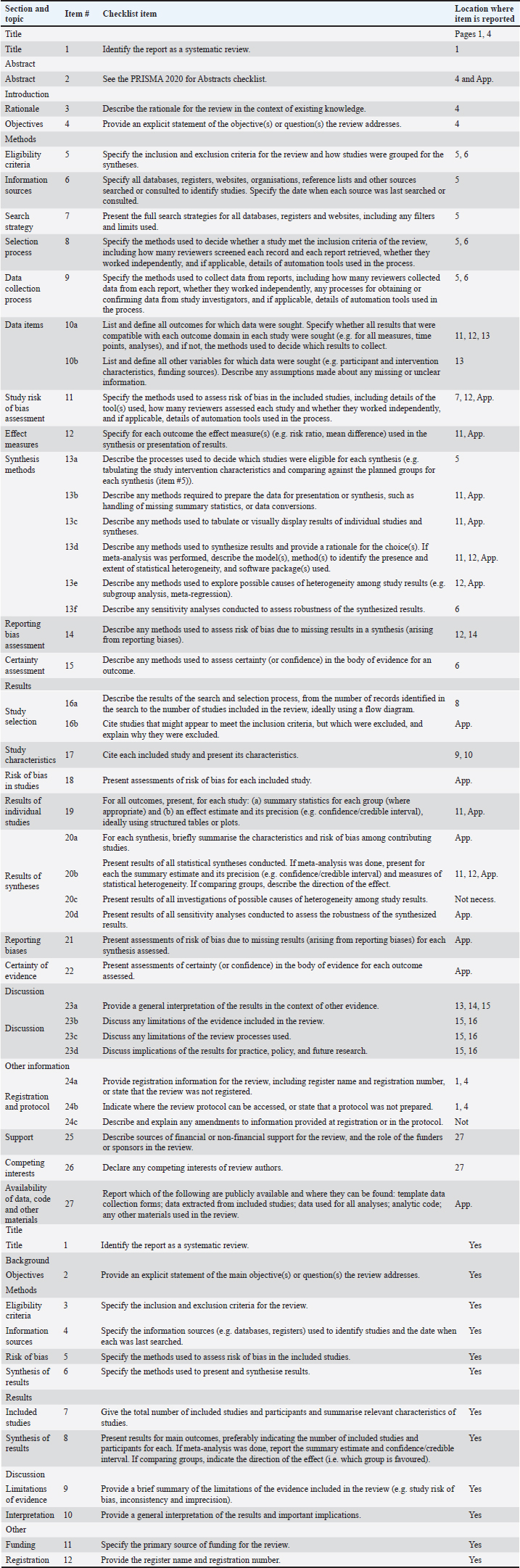
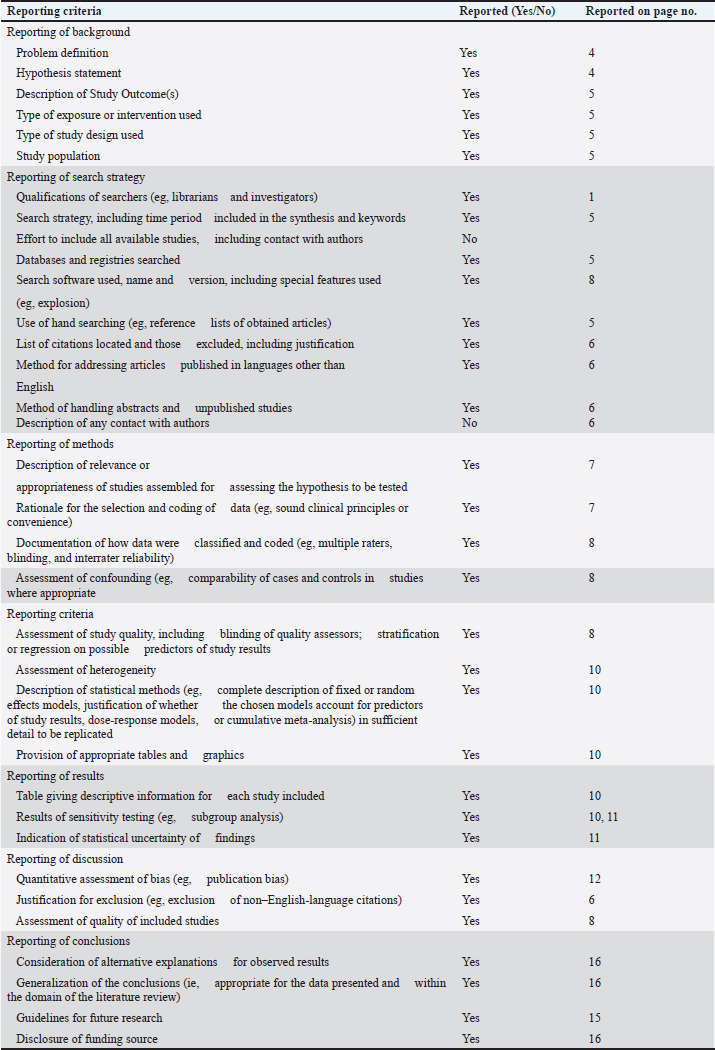
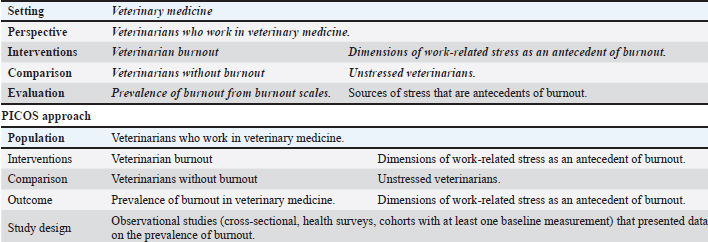
Following Martínez Díaz et al. (2016) this systematic review was conducted according to standardized procedures. Furthermore, the literature search and review protocol were designed and implemented in accordance with the Preferred Reporting Items for Systematic Reviews and Meta-Analyses (PRISMA) guidelines (Page et al., 2021). In addition, the guidelines for Meta-analyses of Observational Studies in Epidemiology (MOOSE) were followed (Stroup et al., 2000). Evidence-based practice questions were formulated using the SPICE approach and the Population-Intervention-Comparison-Outcomes-Study design framework (Booth, 2004; Sánchez-Martín et al., 2023); Appendices A, B, and C in Supplementary Material. The protocol was developed and registered with the OSF (https://osf.io/jufyc) and PROSPERO (CRD420251229381).
Information sources and search strategies
A bibliographic search was conducted using the title-keywords-abstract method (Pottier et al., 2024).
A systematic literature review was conducted using the following electronic databases: PubMed, Scopus, ScienceDirect, PsycInfo, Web of Science, MEDLINE, E-Journals, and Academic Search Ultimate. The search was performed between October 6 and 9, 2025, and the review period was unfiltered. Search terms were adjusted according to the following algorithm: [((veterinarian* OR veterinary* OR veterinary medicine OR veterinary career OR veterinary mental health) AND (burnout OR stress OR fatigue OR exhaustion) AND (prevalence OR prevalen* OR incidence OR epidemiology OR frequency OR occurrence)) AND (“Associated Factors” OR “Determinants” OR “Predictors” OR “Risk Factors”)].
In addition to searching these databases, the reference lists of all included articles were manually reviewed to identify additional eligible studies. Snowballing sampling was also performed to review all articles that cited the included studies. A specific search for grey literature was performed using the OpenGrey database (https://opengrey.eu/) to minimize the risk of publication bias.
Inclusion criteria
1) Quantitative primary studies on burnout syndrome among veterinarians, that 2) were published in English or Spanish, 3) included at least 40 practicing veterinarians, 4) employed a valid and reliable measurement instrument for burnout syndrome, 5) provided the overall prevalence of burnout related to veterinarians, 6) were based on a national, international, or reputable veterinary institution survey, 7) applied no restrictions regarding the year of publication to include the maximum number of studies, and 8) included the sample size and burnout prevalence.
Exclusion criteria
1) Systematic reviews, 2) qualitative research, 3) case studies, 4) guidelines, 5) studies published in other languages, 6) those without access to the full text, 7) those with low methodological quality, according to the Joanna Briggs Institute (JBI) tool for systematic reviews of prevalence studies (score ≤ 4), 8) those that included non-veterinarian sample (veterinary nurses, veterinary technicians, administrative staff, veterinary assistants, and others), and 9) those that did not provide the total burnout prevalence.
Study selection
Two researchers (J. B. C., and A. O. S.) performed the study selection based on the inclusion and exclusion criteria. Discrepancies were discussed until consensus was reached. The Rayyan® software (Rayyan Systems Inc., Cambridge), (https://www.rayyan.ai/) was used. This software is a tool designed to facilitate the systematic review process, which offers certain advantages over traditional reference management software, such as the ability to input inclusion and exclusion criteria. The two authors were able to work simultaneously with this software.
Data collection
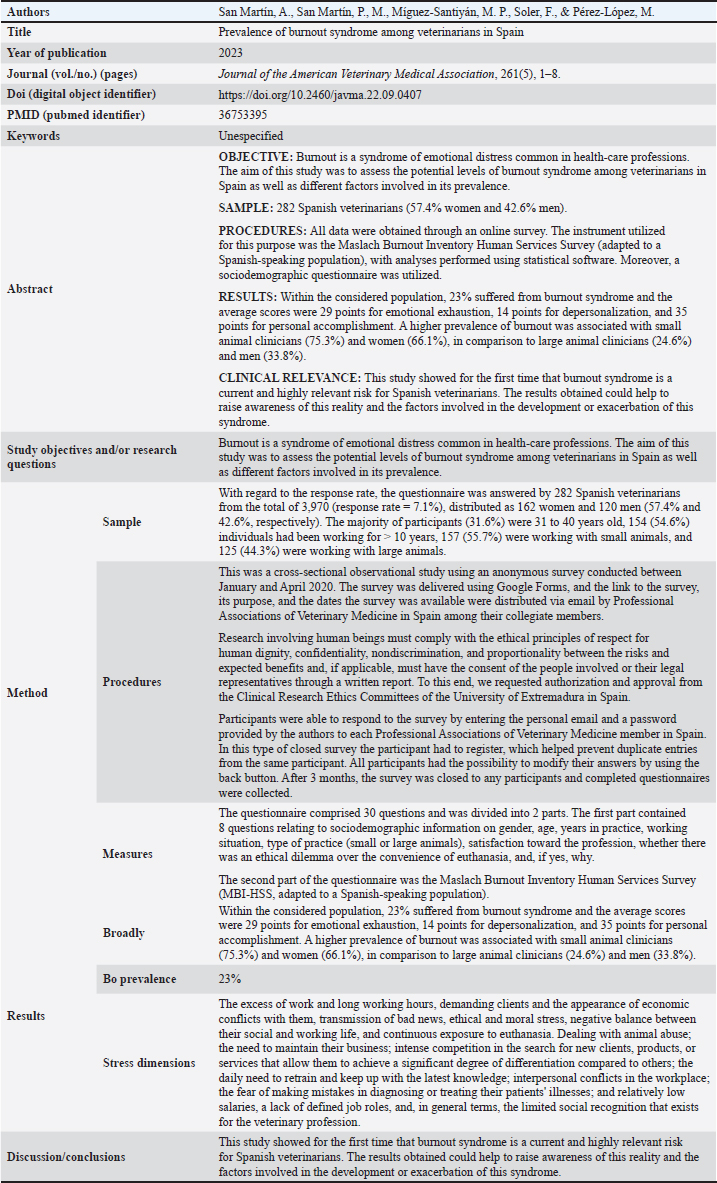
One researcher (J. B. C.) extracted the following data from the studies: author, year of publication, journal of publication, DOI, PMID, keywords, abstract, study objectives, method, sample, procedures, measurement instruments, results (general, prevalence of burnout, and dimensions of work-related stress), discussion, and/or conclusions. Two template forms were created for each study, one in Spanish and the other in English. Information was extracted from the main publication (See Appendix D in Supplementary Material). Subsequently, another researcher (A. O. S.) reviewed the extracted information.
Primary outcome measure
The primary outcome variable was the prevalence of burnout among veterinarians, expressed as the percentage of veterinarians who experienced burnout. All psychometrically validated burnout measurement scales were accepted, including scales created ad hoc for specific primary studies. Secondary variables were the dimensions of occupational stress that served as antecedents to burnout.
Assessment of study quality
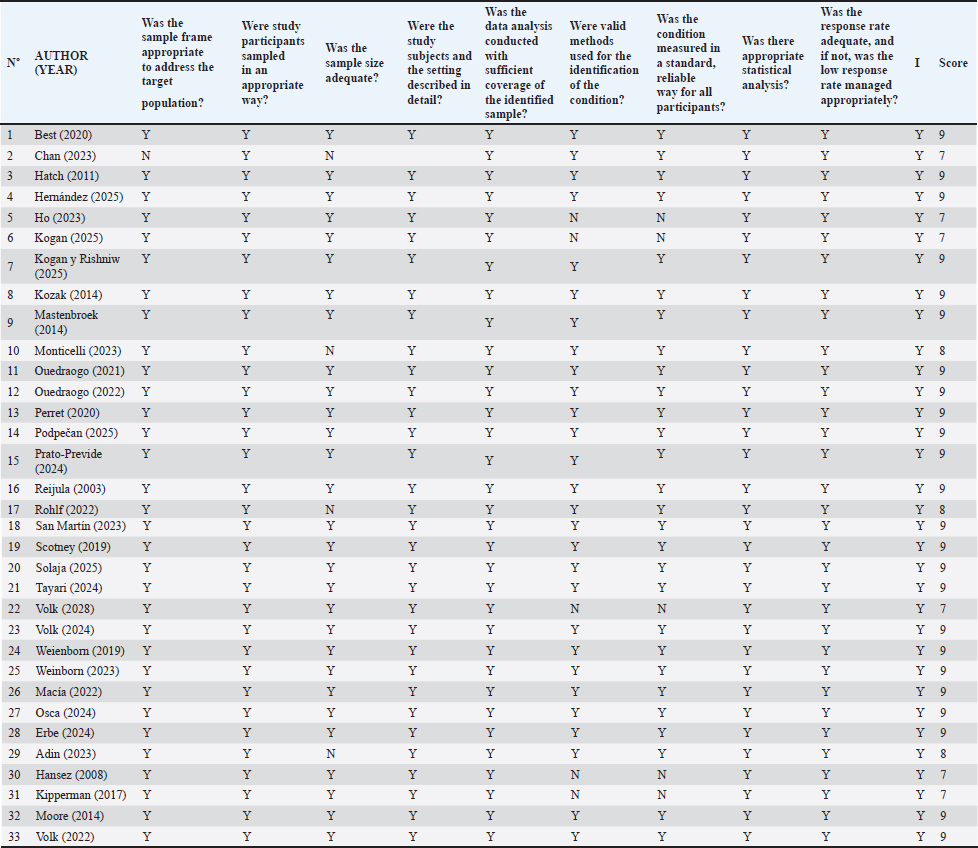
Two researchers (J. B. C., and A. O. S.) assessed the quality (risk of bias) of the studies. The JBI tool for systematic reviews of prevalence studies was used (jbi.global/sites/default/files/2020-8/Checklist_for_Prevalence_Studies.pdf), which includes nine quality items evaluated as “yes,” “no,” “unclear,” and “not applicable.” Each study was assigned a total score that reflected the number of items rated as “yes.” For overall quality assessment, studies were classified as high (7–9 points), moderate (4–6 points), and low quality (<4 points). Two template forms were created for each study, one in Spanish and English (See Appendix E in Supplementary Material).
Data analysis: meta-analytic procedure
Random effects meta-analytic procedures were performed using SPSS version 29.0.2 (IBM® SPSS Statistics, Armonk, New York, NY; https://www.ibm.com/products/spss).
Random-effects models (Hunter and Schmidt, 1990) assume that the studies included in the meta-analysis do not share a single population effect size, but rather come from different populations or subpopulations, resulting in real variability among the studies, heterogeneity (Hunter et al., 2006). To provide accurate estimates, weighted average correlations and their variances were corrected for sampling error (Hunter et al., 2006). The restricted maximum likelihood (REML) method was employed for inference (Bartlett, 1937).
Borenstein et al. (2009) recommended reporting multiple measures of heterogeneity, including statistical significance (Q test), absolute magnitude (τ, credibility interval), and relative magnitude (I²); therefore, the indices τ², I², H², and Q were used to assess heterogeneity among the studies. Consequently, heterogeneity indices were calculated as the percentage of variability in effect sizes due to real differences among studies (Borenstein et al., 2009). A significant Q test indicated that the observed heterogeneity was more than what is normally expected. The I² index indicated the percentage of total variation among the studies was attributable to heterogeneity (Borenstein et al., 2009). Additionally, a Galbraith plot was generated, representing each study´s precision (the inverse of the standard error) against its standardized effect; it also demonstrated the fitted regression line with corresponding confidence bands. Studies falling outside this band were considered to contribute most to the observed heterogeneity. Furthermore, the position of studies along the x-axis allowed for the visual identification of those with the greatest weight in the meta-analysis.
In case of high heterogeneity, subgroup analyses were conducted based on the scale used to measure burnout. These included the subgroup of studies that employed the MBI, CBI, and ProQOL. No additional subgroup analyses were conducted because the remaining scales were represented by one or two studies each. When the results indicated homogeneity, subgroup analyses were performed for illustrative purposes to demonstrate potential differences in effect sizes according to the measurement scale used.
Furthermore, publication bias was examined by creating funnel plots, which were assessed for asymmetry by conducting Egger’s test (Egger et al., 1997).
Ethical approval
Not needed for this study.
Results
Search results and study selection
We identified 728 records, of which we removed 58 duplicates and excluded 523 others via the title – keywords – abstract method. Subsequently, 147 articles were selected for full-text reading. Additionally, nine were identified in supplementary searches. After excluding 113 articles, 34 studies were analyzed. Fig. 1 illustrates the flow diagram (the list of included studies can be found in Table 2 and Appendix F in Supplementary Material, respectively).
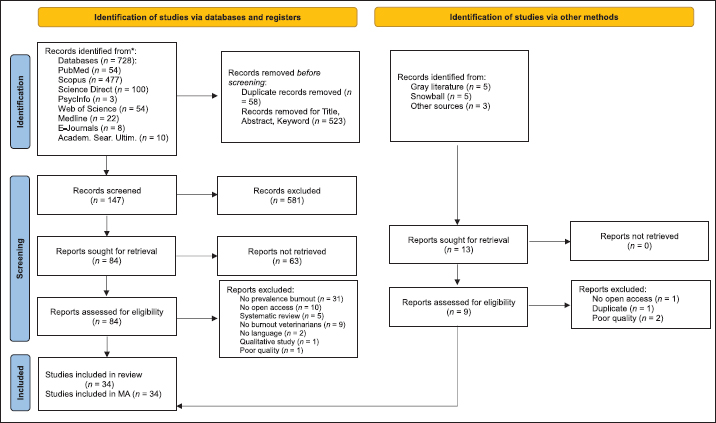
Fig. 1. PRISMA 2020 flow diagram for new systematic reviews that included searches of databases, registries, and other sources.
Table 1. Countries of the included studies.
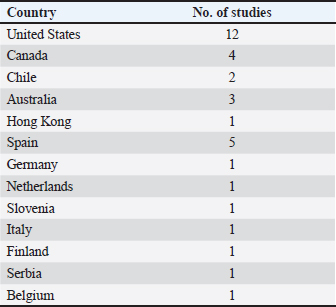
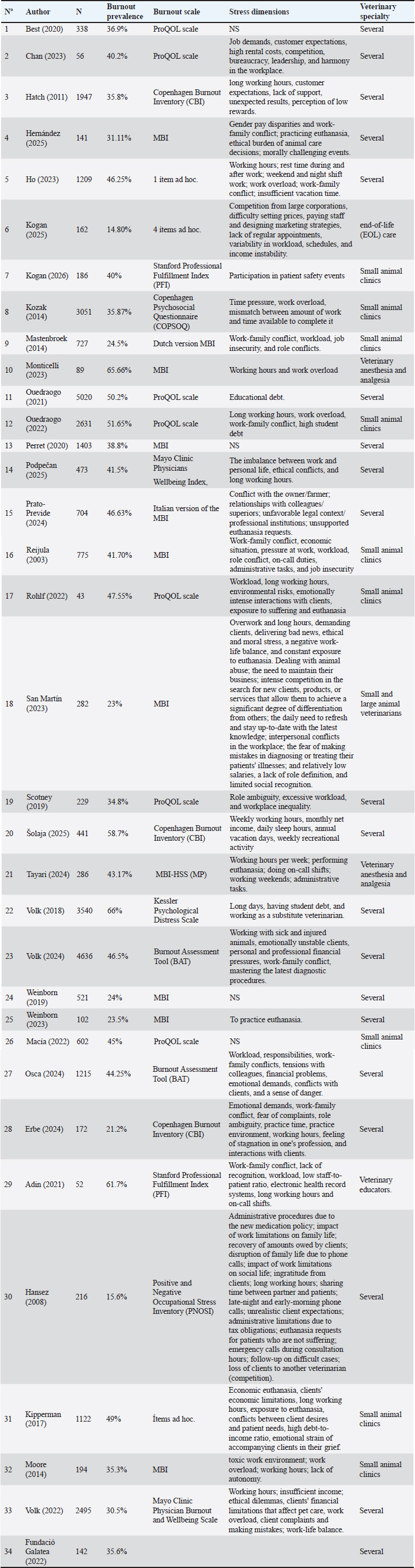
Table 2. Characteristics of the included studies.
General sharacteristics
The 34 studies included 35,202 participants, all veterinarians, from 13 countries, as presented in Table 1. Table 2 presents the main characteristics of the studies.
Main results of the meta-analysis
First, the effect size of the studies was 0.3868, which was moderate (Cohen, 1977) and statistically significant, as indicated in Table 3 and Figure 2.
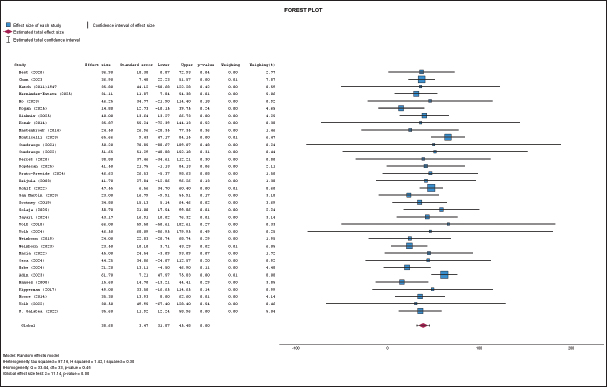
Fig. 2. Forest plot. Meta-analysis of global prevalence of burnout syndrome.
Table 3. Effect size estimates.

Next, heterogeneity statistics were obtained (Table 4), which revealed that the meta-analysis exhibited moderately low heterogeneity, despite the use of different measurement scales across studies. Additionally, the Galbraith plot (Fig. 3) corroborated this low heterogeneity.
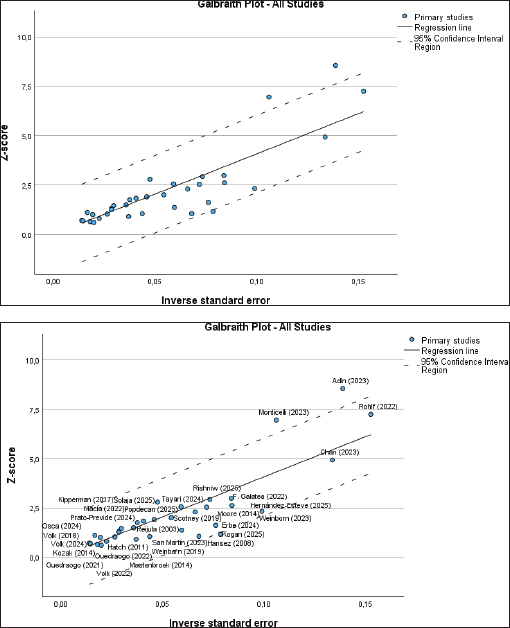
Fig. 3. Galbraith plot.
Finally, publication bias was assessed using Egger´s regression (Table 5), and p > .05 was obtained. Hence, publication bias was ruled out. Figure 4 illustrates the funnel plot, confirming the absence of publication bias.
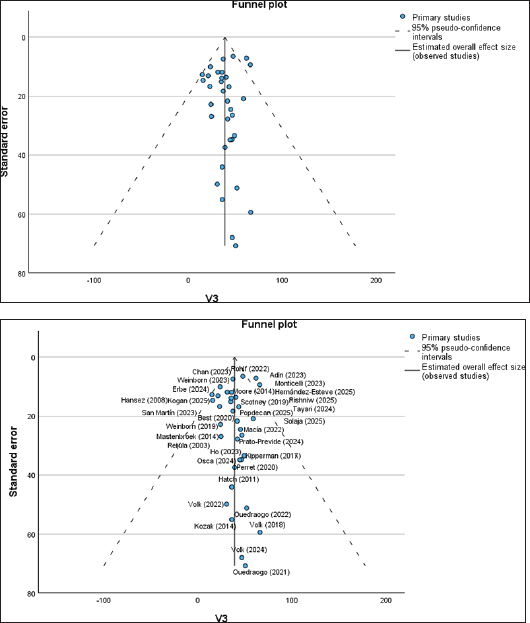
Fig. 4. Funnel plot (publication bias).
Table 4. Heterogeneity statistics.

Additional results
Results of subgroup meta-analyses
As the results indicated homogeneity, we are only interested in the differences in the effect size in the subgroups.
CBI scale subgroup: The effect size of the studies was 0.3524, as indicated in Table 6 and Figure 5 in Appendix G in Supplementary Material.
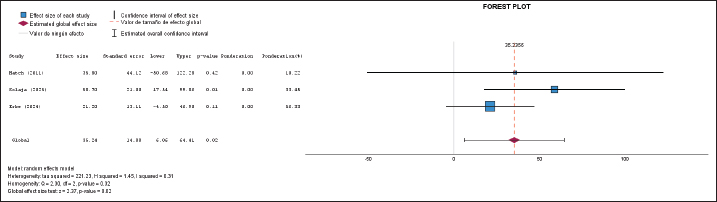
Fig. 5. Forest plot. Meta-analysis of burnout syndrome prevalence (CBI).
MBI scale subgroup: The effect size of the studies was 0.3737, as indicated in Table 8 and Figure 8 in Appendix G in Supplementary Material.
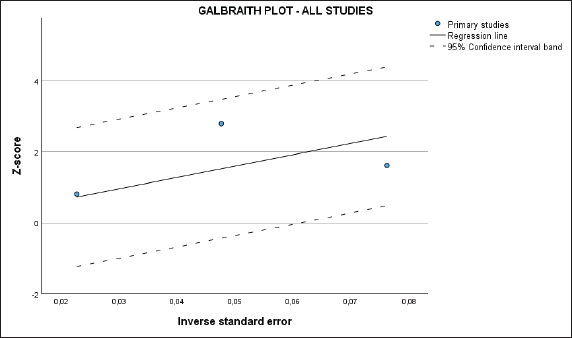
Fig. 6. Galbraith plot.
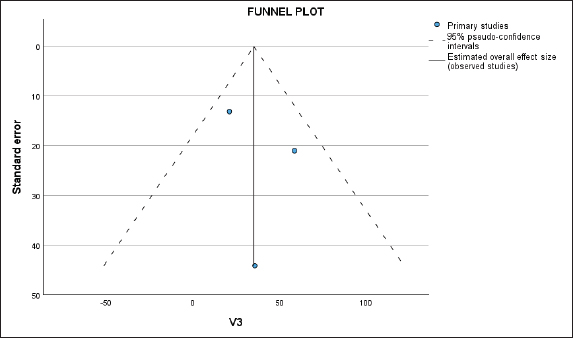
Fig. 7. Funnel plot (Publication bias).
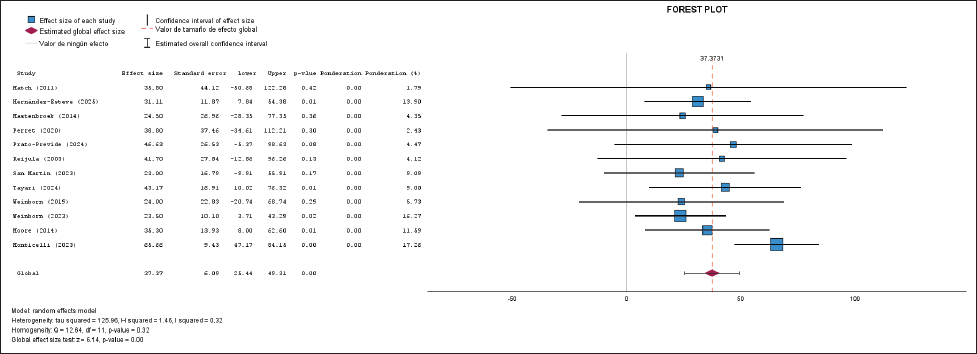
Fig. 8. Forest plot. Meta-analysis of burnout syndrome prevalence (MBI).
Table 5. Egger regression (publication bias).

Table 6. Effect size estimates.

PROQUOL scale subgroup: The effect size of the studies was 0.4320, as indicated in Table 11 and Fig. 11 in Appendix G in Supplementary Material.
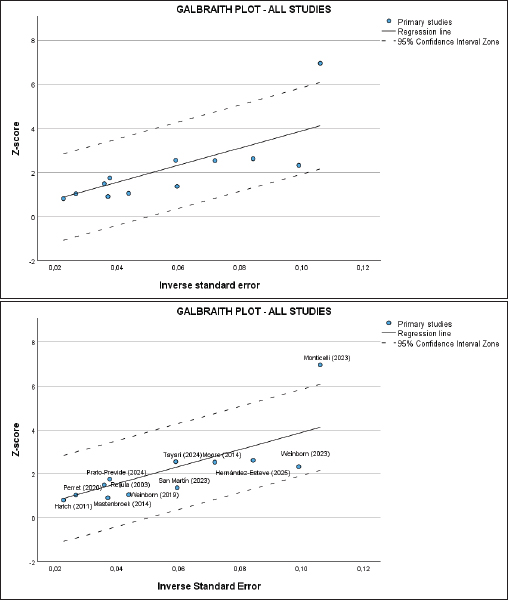
Fig. 9. Galbraith plot.
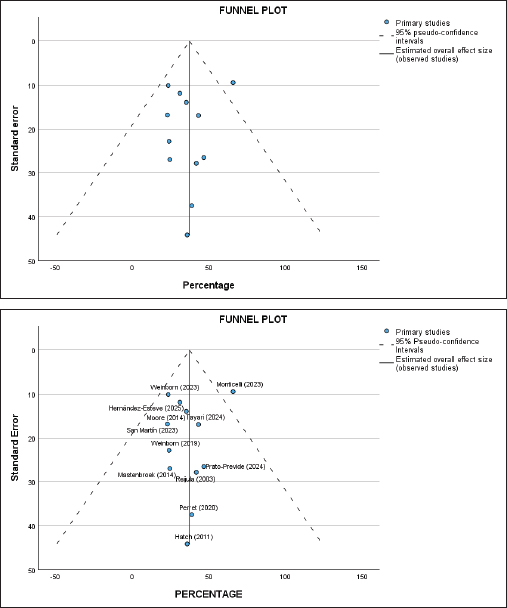
Fig. 10. Funnel plot (Publication bias).
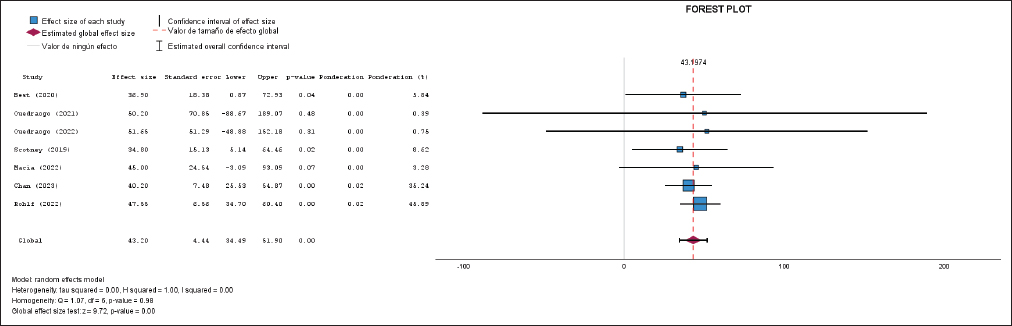
Fig. 11. Forest plot. Meta-analysis of burnout prevalence (PROQUOL).
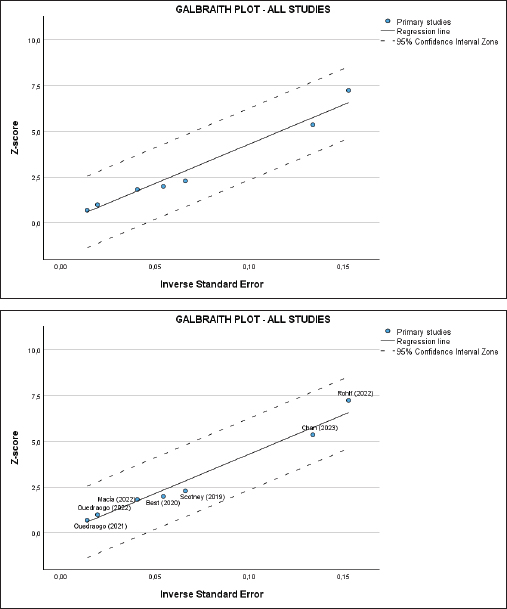
Fig. 12. Galbraith plot.

Fig. 13. Funnel plot (Publication bias).
Table 7. Heterogeneity statistics.

Table 8. Effect size estimates.

Table 9. Heterogeneity statistics.

Table 10. Egger regression (Publication Bias).

Table 11. Effect size estimates.

Table 12. Heterogeneity statistics.

Table 13. Egger regression (Publication Bias).

The complete results of the subgroup meta-analyses can be found in Appendix G in the Supplementary Material.
Results of work stress dimensions as antecedents of burnout
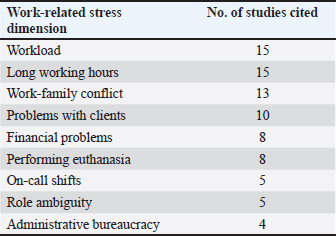
Of the 34 studies included, the particular work stress dimensions that served as antecedents of burnout were not specified in five studies. Among the 29 studies that did report these dimensions, several were identified. Only the most frequently cited dimensions were considered: workload (51.7%; 15/29) and working hours per week (51.7%; 15/29), followed by work-family conflict (44.8%; 13/29), problems with clients (34.5%; 10/29), financial problems (27.6%; 8/29), performing euthanasia (27.6 %; 8/29), on-call shifts (17.2%; 5/29), role ambiguity (17.2%; 5/29), and administrative bureaucracy (13.8%; 4/29). (See Appendix H in Supplementary Material).
Quality of the studies
The studies exhibited high quality (7–9 points on the JBI tool). Among the 34 included studies, one was considered gray literature and could not be evaluated using this tool. Therefore, of the 33 evaluated studies, 24 (72.7%; 24/33), three (9.1%; 3/33), and six (18.2%; 6/33) received a score of 9, 8, and 7, respectively. (See Appendix E in Supplementary Material).
Discussion
This study aimed to analyze the prevalence of burnout syndrome in professionals working in veterinary medicine and to examine the dimensions of work-related stress as antecedents of burnout. We aimed to address a research gap, as no previous systematic review or meta-analysis has analyzed the prevalence of burnout in veterinary medicine professionals. Furthermore, we aimed to verify whether the sources of stress among veterinarians identified across primary studies corresponded to those analyzed in previous research (Osca et al., 2024b).
Prevalence of burnout in veterinary medicine
Some authors have questioned research on the prevalence of burnout due to the absence of established diagnostic criteria for this condition (Brisson and Bianchi, 2017; Rotenstein et al., 2018; Schwenk and Gold, 2018). Others have argued that such studies often rely on arbitrary identification criteria and lack a solid clinical and theoretical foundation (Rotenstein et al., 2018). These authors have also reported the diversity of definitions, which complicates its identification and, consequently, affects the validity of its prevalence, Evidently, burnout indicates a significant level of mental health vulnerability among veterinarians, which constitutes an area of concern reported in several countries including the United Kingdom (Bartram et al., 2009), Australia (Hatch et al., 2011), and the United States (Nett et al., 2015). The influence of burnout on the mental health and well-being of veterinarians highlights the importance of research on its prevalence, both through primary studies and systematic reviews that synthesizes existing results and quantify them via a meta-analysis, thereby validating the rationale for the study.
Although some authors have cautioned against the limitations of using the MBI to assess burnout (Schaufeli et al., 2020; De Beer et al., 2025), the tool has been employed in 88% of all publications on burnout syndrome (Boudreau et al., 2015). In this review, 12 of the 34 included studies (35.3 %) utilized this tool, making it the most commonly used tool; however, this is a lower percentage than that typically observed in such studies, because the MBI is generally considered the standard assessment for burnout and most frequently used for this purpose. This approach helps balance the aforementioned limitations of its use with the necessity of including it in any burnout research. Furthermore, it is the most commonly used questionnaire in veterinary medicine (Steffey et al., 2023). All these reasons justified its use.
The results obtained show an overall prevalence of burnout in veterinary medicine of 38.68%, which is nearly 40%; thus, approximately two out of five veterinary professionals present with burnout syndrome. These results are supported by the breadth of the sample used, as it synthesized 34 primary studies with 35,202 participants across age, sex, and veterinary specialty from 13 countries, thereby ensuring robustness.
Veterinarians were grouped based solely on the burnout measurement scale, as this was the study´s focus. Only three scales were used in three or more primary studies (see Appendix K in Supplementary Material); therefore, only three subgroups were formed and analyzed, that is, groups of studies using the MBI, CBI, and ProQOL.
The subgroup of studies that used the MBI reported a burnout prevalence of 37.37 %, slightly lower than the overall rate, with moderately low heterogeneity (I²=31.7 %). Both findings are acceptable and do not support the limitations attributed to the scale, thus justifying its use.
The subgroup of studies that used the CBI reported a burnout prevalence of 35.24 %, slightly lower than the overall rate, with the caveat of the limited number of studies (3) and moderately low heterogeneity (I2=30.9%). Both data points were deemed acceptable.
The subgroup of studies that used the ProQOL reported a burnout prevalence of 43.20 %, which was higher than the overall figure, with the caveat that the scale did not measure burnout exclusively (it is a subscale) and with no observed heterogeneity (I²=0 %). In other words, the seven studies that employed this scale were homogeneous. Both data points were deemed acceptable.
The systematic review included 34 studies, and efforts were made to minimize potential biases (publication, selection, and so on). However, language bias may have existed, as only studies in English and Spanish were analyzed (see inclusion and exclusion criteria), owing to the researchers' linguistic capabilities. No filters were applied regarding studies´ publication dates, as this was the first systematic review on the prevalence of burnout among veterinarians. Therefore, potential time bias due to the exclusion of older studies was avoided.
Dimensions of work stress as an antecedent of burnout
We aimed to verify whether the sources of stress among veterinarians found in the different primary studies corresponded to those analyzed in previous research. The results obtained (See Appendix H) indicated a complete correspondence with earlier findings, as both the sources of stress and their reported magnitudes in the primary studies aligned with the existing literature, thereby achieving the study´s second objective. However, numerous systematic reviews have proposed burnout as a consequence of chronic work-related stress (Cordes and Dougherty, 1993; Schaufeli and Enzman, 1998; Hobfoll and Shirom, 2000), while some authors have suggested that repeated periods of stress often precede burnout (Gil-Monte and Peiró, 1999). Furthermore, burnout syndrome is reportedly a response to chronic work-related stress (Rodríguez Carvajal and Rivas Hermosilla, 2011). Some studies have also considered that high levels of stress can become a risk factor for developing burnout syndrome. Therefore, it should be understood as a response to chronic stressors (Bragard et al., 2015). In addition, stress is a precursor to burnout and its main dimensions, emotional exhaustion and depersonalization/cynicism (Zhang et al., 2022).
However, other authors (Bianchi and Schonfeld, 2024) have also questioned whether work-related stress is a precursor to burnout, clarifying that evidence suggests burnout predicts work-related stress; that is, burnout precedes work-related stress and not the other way around. These authors have relied on two meta-analyses Madison, (2022). First, Guthier et al. (2020) study, which involved 48 studies and 26,319 participants, reported many other causes of burnout beyond work-related stress. The authors noted that from a clinical perspective, stressors from practically any area of life can contribute to burnout syndrome. This finding aligns with that of a previous meta-analysis conducted by Lesener et al. (2019) involving 29 studies and 14,486 participants, which found that burnout had a greater effect on work demands than vice versa.
Analyzing the aforementioned controversy to clarify the antecedents and consequences of burnout would be interesting. However, this exceeds the scope of our study. The finding that the dimensions of work-related stress aligned with those reported in previous studies fulfilled our secondary objective.
Limitations and future research
One limitation arises from the lack of previous reviews, which led to the consideration of veterinary medicine as a whole, despite it being a profession with several specialties that differ in the prevalence of burnout. Future research should separately analyze the prevalence of burnout among veterinarians working with small and large animals.
Another limitation is that veterinarians were not differentiated by sex, age, or employment modality. Veterinary medicine is a profession in which women have a higher prevalence of burnout than men (Hatch et al., 2011). Similarly, younger veterinarians have a higher prevalence than older ones (Platt et al., 2012), and employed veterinarians have a higher prevalence than self-employed ones (Pohl et al., 2022). Another important limitation lies in the measurement’s heterogeneity due to the use of different scales to assess burnout. Future research should separately analyze the prevalence of burnout, considering sex, age, and employment modalities.
Conclusion
This systematic review and meta-analysis revealed a high prevalence of burnout in veterinary medicine, necessitating the implementation of evidence-based psychological interventions. Early detection and prevention programs are essential to mitigate burnout among veterinarians. Furthermore, structural and organizational changes should be considered, both in the curriculum during training and during professional practice, to encourage opportunities for professional development and job satisfaction. Additionally, the sources of stress among veterinarians should be addressed, following measures similar to those previously recommended for managing burnout.
Acknowledgments
The authors gratefully acknowledge the support provided by the department of social and organizational psychology at the Faculty of Psychology, National University of Distance Educación, Madrid, Spain.
Funding
This research received no specific grant.
Authors' contributions
All listed authors have contributed substantially to the preparation of this manuscript. Jesús Barrado-Calle and Amparo Osca-Segovia were involved in the conception, design, data analysis, interpretation, drafting, and revising the manuscript.
Conflict of interest
The authors declare they have no conflicts of interest.
Data availability
The data are available upon request from the authors.
References
Adin, C.A., Stefanou, C.R. and Merlo, L.J. 2021. Assessment of burnout, professional fulfillment, and strategies for improvement in veterinary faculty at a large academic department. J. Vet. Med. Educ. 50(1), 53–60.
Bartlett, M.S. 1937. Some examples of statistical methods of research in agriculture and applied biology. Suppl. To J. R. Stat. Soc. 4(2), 137–183.
Bartram, D.J., Yadegarfar, G. and Baldwin, D.S. 2009. A cross-sectional study of mental health and well-being and their associations in the UK veterinary profession. Soc. Psychiatry Psychiatr. Epidemiol. 44(12), 1075–1085.
Best, C.O., Perret, J.L., Hewson, J., Khosa, D.K., Conlon, P.D. and Jones-Bitton, A. 2020. A survey of veterinarian mental health and resilience in Ontario, Canada. Can. Vet. J. 61(2), 166–172.
Bianchi, R. and Schonfeld, I.S. 2024. Beliefs about burnout. Work. Stress. 39(2), 116–134.
Bianchi, R., Boffy, C., Hingray, C., Truchot, D. and Laurent, E. 2013. Comparative symptomatology of burnout and depression. J. Health. Psychol. 18(6), 782–787.
Bianchi, R., Schonfeld, I.S. and Laurent, E. 2015. Burnout: absence of binding diagnostic criteria hampers prevalence estimates. Int. J. Nurs. Stud. 52(3), 789–790.
Bianchi, R., Schonfeld, I.S. and Laurent, E. 2017. Burnout syndrome’–from nosological indeterminacy to epidemiological nonsense. BJPsych. Bull. 41(6), 367–368.
Booth, A. 2004. Formulating answerable questions. In evidence based practice for information professionals: a handbook. Eds., Booth, A. and Brice, A. London, UK: FacetPublishing, pp: 61–70.
Borenstein, M., Hedges, L.V., Higgins, J.P. and Rothstein, H.R. 2009. Introduction to meta-analysis. Chichester, UK: John Wiley & Sons.
Boudreau, R.A., Boudreau, W.F. and Mauthe-Kaddoura, A.J. 2015. From 57 for 57: a bibliography of burnout citations. In Proceedings of the 17th Conference of the European Association of Work and Organizational Psychology (EAWOP), Oslo, Norway, p 20.
Bouza, E., Gil-Monte, P.R., Cortell-Alcocer, M., Del Rosario, G., González, J., Gracia, D., Martínez Moreno, A., Melero Moreno, C., Molero García, J.M., Montilla, P., Peñacoba, E., Rodríguez Créixems, M., Rodríguez de la Pinta, M.L., Romero Agüit, S., Sartorius, N., Soriano, J.B. and Palomo, E. 2020. Síndrome de quemarse por el trabajo (burnout) en los médicos de España. Rev. Clin. Esp. 220(6), 359–363.
Bragard, I., Dupuis, G. and Fleet, R. 2015. Quality of work life, burnout, and stress in emergency department physicians: a qualitative review. Eur. J. Emerg. Med. 22(4), 227–234.
Brisson, R. and Bianchi, R. 2017. Stranger things: on the upside down world of burnout research. Acad. Psychiatry. 41(2), 200–201.
Chan, C.K.Y. and Wong, P.W.C. 2023. Predictors of suicide risk and mental health outcomes among Hong Kong veterinarians: a cross-sectional study. Behav. Sci. 13(9), 770.
Clifton, J., Bonnell, L., Hitt, J., Crocker, A., Rose, G.L., van Eeghen, C., Kessler, R., Stephens, K.A., Teng, K., Leon, J., Mollis, B., and Littenberg, B. Differences in occupational burnout among primary care professionals. J. Am. Board Fam. Med. 34(6), 1203–1211.
Cohen. 1977. Statistical power analysis for the behavioral sciences. New York, NY: Lawrence Erlbaum Associates, Inc..
Cordes, C.L. and Dougherty, T.W. 1993. A review and an integration of research on job burnout. Acad. Manage. Rev. 18(4), 621–656.
De Beer, L.T. and Bianchi, R. 2019. Confirmatory Factor Analysis of the Maslach Burnout Inventory. Eur. J. Psychol. Assess. 35(2), 217–224.
De Beer, L.T., Hakanen, J.J., Schaufeli, W.B., De Witte, H., Glaser, J., Kaltiainen, J., Seubert C. and Morin, A.J.S. 2025. The burnout-depression conundrum: investigating construct-relevant multidimensionality across four countries and four patient samples. Psychol. Health 40(8), 1358–1385.
Deligkaris, P., Panagopoulou, E., Montgomery, A.J. and Masoura, E. 2014. Job burnout and cognitive functioning: a systematic review. Work Stress 28(2), 107–123.
Egger, M., Smith, G.D., Schneider, M. and Minder, C. 1997. Bias in meta-analysis detected by a simple, graphical test. Br. Med. J. 315(7109), 629–634.
Erbe, A. 2024. Beyond the stethoscope: exploring mental health issues and suicide risk among veterinarians, Doctoral dissertation, University of Cincinnati.
Fundació Galatea. 2022 Más de la mitad de los profesionales de la salud han acudido a servicios de salud mental desde el inicio de la pandemia o bien se plantean hacerlo.
Getie, A., Ayenew, T., Amlak, B.T., Gedfew, M., Edmealem, A. and Kebede, W.M. 2025. Global prevalence and contributing factors of nurse burnout: an umbrella review of systematic review and meta-analysis. BMC Nurs. 24(1), 596.
Gil-Monte, P.R. and Peiró, J.M. 1999. Perspectivas teóricas y modelos interpretativos para el estudio del síndrome de quemarse por el trabajo An. Psicol. 15(2), 261–268.
Guthier, C., Dormann, C. and Voelkle, M.C. 2020. Reciprocal effects between job stressors and burnout: a continuous time meta-analysis of longitudinal studies. Psychol. Bull. 146(12), 1146–1173.
Hansez, I., Schins, F. and Rollin, F. 2008. Occupational stress, work-home interference and burnout among Belgian veterinary practitioners. Ir. Vet. J. 61(4), 233.
Hatch, P., Winefield, H., Christie, B. and Lievaart, J.J. 2011. Workplace stress, mental health, and burnout of veterinarians in Australia. Aust. Vet. J. 89(11), 460–468.
Hernández-Esteve, I., Zumbado, M. and Henríquez-Hernández, L.A. 2025. Burnout and mental health among veterinarians: the role of self-compassion and associated risk factors. Vet. Rec. 196(5), e4960.
Ho, N.T., Santoro, F., Palacios Jimenez, C. and Pelligand, L. 2023. Cross-sectional survey of sleep, fatigue and mental health in veterinary anaesthesia personnel. Vet. Anaesth. Analg. 50(4), 315–324.
Hobfoll, S.E. and Shirom, A. 2000. Conservation of resources theory: applications to stress and management in the workplace. In Handbook of Organization Behavior, Eds Golembiesvki, R.T. New York, NY: Routledge, pp: 57–81.
Hunter, J.E. and Schmidt, F.L. 1990. Methods of meta-analysis: correcting error and bias in research findings. Thousand Oaks, CA: Sage Publications, Inc.
Hunter, J.E., Schmidt, F.L. and Le, H. 2006. Implications of direct and indirect range restriction for meta-analysis methods and findings. J. Appl. Psychol. 91(3), 594–612.
Kipperman, B.S., Kass, P.H. and Rishniw, M. 2017. Factors that influence small animal veterinarians’ opinions and actions regarding cost of care and effects of economic limitations on patient care and outcome and professional career satisfaction and burnout. J. Am. Vet. Med. Assoc. 250(7), 785–794.
Kogan, L.R. and Rishniw, M. 2026. Well-executed debriefings conducted after adverse medical events are associated with psychological safety, work engagement, job fulfillment, and reduced burnout. J. Am. Vet. Med. Assoc. 264(2), 1–9.
Kogan, L.R., Currin-McCulloch, J., Littrell, K. and Brown, E. 2025. Veterinary end-of-life mobile practitioners: motivators, challenges, job fulfillment and burnout. Hum. Anim. Interact. 13(1), 18.
Kozak, A., Schedlbauer, G., Peters, C. and Nienhaus, A. 2014. Self-reported musculoskeletal disorders of the distal upper extremities and the neck in German veterinarians: a cross-sectional study. PLos One 9(2), e89362.
Lesener, T., Gusy, B. and Wolter, C. 2019. The job demands-resources model: a meta-analytic review of longitudinal studies. Work Stress 33(1), 76–103.
Leslom, D.N.S.M., Althivan, M.S.A., Alyami, M.Y.H., Altewirqi, T.S., Al Sharyah, H.M.B.H., M Lasloom, H.A. and Al Hamza, J.A. 2025. Prevalence, contributing factors, and mitigation strategies for burnout and job satisfaction among multidisciplinary healthcare workers: a systematic review including health administration, health informatics, pharmacists, dental professionals, EMS, And H. Rev. Diabet. Stud. 21(5), 110–112.
Macía, P., Goñi-Balentziaga, O., Vegas, O. and Azkona, G. 2022. Professional quality of life among Spanish veterinarians. Vet. Rec. Open 9(1), e250.
Madison, N.J. 2022. Merck animal health’s third veterinarian wellbeing study reveals increased health challenges and psychological distress among veterinarians.
Martínez Díaz, J.D., Ortega Chacón, V. and Muñoz Ronda, F.J. 2016. El diseño de preguntas clínicas en la práctica basada en la evidencia. Modelos de formulación. Enfermería Global 15(3), 431–438.
Maslach, C. and Leiter, M.P. 2021. How to measure burnout accurately and ethically. Harv. Bus. Rev. 7, 211–221.
Maslach, C., Jackson, S.E. and Leiter, M.P. 1997. Maslach burnout inventory: third edition. In Evaluating stress: a book of resources, Eds. Zalaquett, C.P. and Wood, R.J. London, UK: Scarecrow Education, pp: 191–218.
Maslach, C., Schaufeli, W.B. and Leiter, M.P. 2001. Job burnout. Annu. Rev. Psychol. 52(2001), 397–422.
Mastenbroek, N.J.J.M., Jaarsma, A.D.C., Demerouti, E., Muijtjens, A.M.M., Scherpbier, A.J.J.A. and Van Beukelen, P. 2014. Burnout and engagement, and its predictors in young veterinary professionals: the influence of gender. Vet. Rec. 174(6), 144.
Monticelli, P., Seymour, C. and Adami, C. 2023. Risk of burnout and depression: a survey of veterinary anaesthesia specialists in-training during COVID-19. Vet. Anaesth. Analg. 50(4), 325–332.
Moore, I.C., Coe, J.B., Adams, C.L., Conlon, P.D. and Sargeant, J.M. 2014. The role of veterinary team effectiveness in job satisfaction and burnout in companion animal veterinary clinics. J. Am. Vet. Med. Assoc. 245(5), 513–524.
Nadon, L., De Beer, L.T. and Morin, A.J.S. 2022. Should burnout be conceptualized as a mental disorder?. Behav. Sci. (Basel). 12(3), 82.
Nett, R.J., Witte, T.K., Holzbauer, S.M., Elchos, B.L., Campagnolo, E.R., Musgrave, K.J. and Funk, R.H. 2015. Risk factors for suicide, attitudes toward mental illness, and practice-related stressors among US veterinarians. J. Am. Vet. Med. Assoc. 247(8), 945–955.
Osca, A., Barrado, J. and Millán, L. 2024. Validation of the burnout assessment tool-core symptoms in Spanish veterinarians, sex invariance, and cutoff points. Front. Vet. Sci. 11, 1454775.
Osca, A., Millán, L., Vela, L. and Barrado, J. 2024. Development, validation, and cut-off points for a questionnaire to measure sources of stress in veterinary medicine (SOS-VetMed). BMC. Public. Health. 24(1), 2165.
Ouedraogo, F.B. and Lefebvre, S.L. 2022. Benefits of practice ownership among US private practice veterinarians extend to professional quality of life. J. Am. Vet. Med. Assoc. 260(15), 1971–1978.
Ouedraogo, F.B., Lefebvre, S.L., Hansen, C.R. and Brorsen, B.W. 2021. Compassion satisfaction, burnout, and secondary traumatic stress among full-time veterinarians in the United States (2016–2018). J. Am. Vet. Med. Assoc. 258(11), 1259–1270.
Page, M.J., Moher, D., Bossuyt, P.M., Boutron, I., Hoffmann, T.C., Mulrow, C.D., Shamseer, L., Tetzlaff, J.M., Akl, E.A., Brennan, S.E., Chou, R., Glanville, J., Grimshaw, J.M., Hróbjartsson, A., Lalu, M.M., Li, T., Loder, E.W., Mayo-Wilson, E., Mcdonald, S., Mcguinness, L.A., Stewart, L.A., Thomas, J., Tricco, A.C., Welch, V.A., Whiting, P. and Mckenzie, J.E. 2021. PRISMA 2020 explanation and elaboration: updated guidance and exemplars for reporting systematic reviews. BMJ 372, n160.
Perret, J.L., Best, C.O., Coe, J.B., Greer, A.L., Khosa, D.K. and Jones-Bitton, A. 2020. Prevalence of mental health outcomes among Canadian veterinarians. J. Am. Vet. Med. Assoc. 256(3), 365–375.
Platt, B., Hawton, K., Simkin, S. and Mellanby, R.J. 2012. Suicidal behaviour and psychosocial problems in veterinary surgeons: a systematic review. Soc. Psychiatry Psychiatr. Epidemiol. 47(2), 223–240.
Podpečan, O., Hlebec, V., Kuhar, M., Kubale, V. and Jakovac Strajn, B. 2025. Predictors of Burnout and Well-Being Among Veterinarians in Slovenia. Vet. Sci. 12(4), 387.
Pohl, R., Botscharow, J., Böckelmann, I. and Thielmann, B. 2022. Stress and strain among veterinarians: a scoping review. Ir. Vet. J. 75(1), 15.
Pottier, P., Lagisz, M., Burke, S., Drobniak, S.M., Downing, P.A., Macartney, E.L., Martinig, A.R., Mizuno, A., Morrison, K., Pollo, P., Ricolfi, L., Tam, J., Williams, C., Yang, Y. and Nakagawa, S. 2024. Title, abstract and keywords: a practical guide to maximize the visibility and impact of academic papers. Proc. Biol. Sci. 291(2027), 20241222.
Prato-Previde, E., De Mori, B., Colombo, N. and Pelosi, A. 2024. Willing but unable: moral distress and burnout in italian veterinarians working with companion and farm animals. Animals (Basel). 14(24), 3691.
Pujol-de Castro, A., Valerio-Rao, G., Vaquero-Cepeda, P. and Catalá-López, F. 2024. Prevalencia del síndrome de burnout en médicos que trabajan en España: revisión sistemática y metaanálisis. Gac. Sanit. 38, 102384.
Reijula, K., Räsänen, K., Hämäläinen, M., Juntunen, K., Lindbohm, M.L., Taskinen, H., Bergbom, B. and Rinta-Jouppi, M. 2003. Work environment and occupational health of Finnish veterinarians. Am. J. Ind. Med. 44(1), 46–57.
Rodríguez Carvajal, R. and Rivas Hermosilla, S.D. 2011. Los procesos de estrés laboral y desgaste profesional (burnout): diferenciación, actualización y líneas de intervención. Med. Segur. Trab. (Madr). 57, 72–88.
Rohlf, V.I., Scotney, R., Monaghan, H. and Bennett, P. 2022. Predictors of professional quality of life in veterinary professionals. J. Vet. Med. Educ. 49(3), 372–381.
Rotenstein, L.S., Torre, M., Ramos, M.A., Rosales, R.C., Guille, C., Sen, S. and Mata, D.A. 2018. Prevalence of burnout among physicians: a systematic review. J. Am. Vet. Med. Assoc. 320(11), 1131–1150.
San Martín, A., San Martín, P., Míguez-Santiyán, M.P., Soler, F. and Pérez-López, M. 2023. Prevalence of burnout syndrome among veterinarians in Spain. J. Am. Vet. Med. Assoc. 261(5), 1–8.
Sánchez-Martín, M., Pedreño Plana, M., Ponce Gea, A.I. and Navarro-Mateu, F. 2023. And, at first, it was the research question. The PICO, PECO, SPIDER and FINER formats. Espiral. Cuadernos. Del. Profesorado. 16(32), 126–136.
Sandrin, E., Morin, A.J.S., Fernet, C. and Gillet, N. 2022. Complementary variable- and person-centered approaches to the dimensionality of burnout among fire station workers. Anxiety Stress Coping 35(4), 440–457.
Schaufeli, W. B. and Enzmann, D. 1998. The burnout companion to study and practice. a critical analysis. CRC Press.
Schaufeli, W.B., Desart, S. and De Witte, H. 2020. Burnout Assessment Tool (BAT)—development, validity, and reliability. Int. J. Environ. Res. Public. Health. 17(24), 9495.
Schwenk, T.L. and Gold, K.J. 2018. Physician burnout—A serious symptom, but of what? JAMA 320(11), 1109–1110.
Scotney, R.L., McLaughlin, D. and Keates, H.L. 2019. An investigation of the prevalence of compassion fatigue, compassion satisfaction and burnout in those working in animal-related occupations using the Professional Quality of Life (ProQoL) Scale. Vet. Nurse. 10(5), 276–284.
Šolaja, S., Vićić, I., Nešić, V., Spariosu, K. and Davitkov, D. 2025. Development of burnout syndrome among veterinarians: an assessment using the Copenhagen Burnout Inventory. Res. Vet. Sci. 192, 105708.
Steffey, M.A., Griffon, D.J., Risselada, M., Buote, N.J., Scharf, V.F., Zamprogno, H. and Winter, A.L. 2023. A narrative review of the physiology and health effects of burnout associated with veterinarian-pertinent occupational stressors. Front. Vet. Sci. 10, 1184525.
Stroup, D.F., Berlin, J.A., Morton, S.C., Olkin, I., Williamson, G.D., Rennie, D., Moher, D., Becker, B.J., Sipe, T.A. and Thacker, S.B. 2000. Meta-analysis of observational studies in epidemiology: a proposal for reporting. Meta-analysis Of Observational Studies in Epidemiology (MOOSE) group. JAMA, 283(15), 2008–2012.
Tayari, H., Flaherty, D., Dugdale, A., Bennett, R. and Auckburally, A. 2024. Burnout among veterinary anaesthesia specialists: time to 'rock the boat' (part 1). Vet. Anaesth. Analg. 52(6), 850–860.
Tenny, S. and Hoffman, M. R. 2017. Prevalence. StatPearls Publishing; 2025.
Volk, J.O., Schimmack, U., Strand, E.B., Lord, L.K. and Siren, C.W. 2018. Executive summary of the Merck animal health veterinary wellbeing study. J. Am. Vet. Med. Assoc. 252(10), 1231–1238.
Volk, J.O., Schimmack, U., Strand, E.B., Reinhard, A., Hahn, J., Andrews, J., Probyn-Smith, K. and Jones, R. 2024. Work-life balance is essential to reducing burnout, improving well-being. J. Am. Vet. Med. Assoc. 262(7), 950–957.
Volk, J.O., Schimmack, U., Strand, E.B., Reinhard, A., Vasconcelos, J., Hahn, J., Stiefelmeyer, M.S. and Probyn-Smith, K. 2022. Executive summary of the Merck animal health veterinarian wellbeing study III and veterinary support staff study. J. Am. Vet. Med. Assoc. 260(12), 1547–1553.
Volk, J.O., Schimmack, U., Strand, E.B., Vasconcelos, J. and Siren, C.W. 2020. Executive summary of the Merck animal health veterinarian wellbeing study II. J. Am. Vet. Med. Assoc. 256(11), 1237–1244.
Weinborn, R., Bruna, B., Calventus, J., Campillay, M., Pineda, K., López, C., Lobos, P., Precht, A. and Sepúlveda, G. 2023. Conducta suicida no letal y burnout en médicos veterinarios en la Región de Valparaíso-Chile. Rev. Investig. Vet. Peru. 34(6), e26960.
Weinborn, R.M., Bruna, B.J., Calventus, J. and Sepúlveda, G.A. 2019. Burnout syndrome prevalence in veterinarians working in Chile. Austral. J. Vet. Sci. 51(2), 91–99.
WHO. 2025. International Classification of Diseases, Eleventh Revision (ICD-11). QD85 Burnout. Paris: World Health Organization.
Woo, T., Ho, R., Tang, A. and Tam, W. 2020. Global prevalence of burnout symptoms among nurses: a systematic review and meta-analysis. J. Psychiatr. Res. 123(9), 10–20.
Worley, J.A., Vassar, M., Wheeler, D.L. and Barnes, L.L.B. 2008. Factor structure of scores from the Maslach Burnout Inventory: a review and meta-analysis of 45 exploratory and confirmatory factor-analytic studies. Educ. Psychol. Meas. 68(5), 797–823.
Yuen, J., Young-Speirs, M., Ahmad, W., Joshi, U., Hague, C. and Chang, S.D. 2025. Burnout and Wellness Interventions Among Canadian Radiology Trainees: a Single Institution Study. Can. Assoc. Radiol. J. 77, 300–308.
Zhang, H., Sun, L. and Zhang, Q. 2022. How workplace social capital affects turnover intention: the mediating role of job satisfaction and burnout. Int. J. Environ. Res. Public Health 19(15), 9587.

SUPPLEMENTARY MATERIAL
Appendix A. PRISMA 2020 Checklist and PRISMA 2020 abstract checklist.
Appendix B. MOOSE checklist.
Appendix C. Research questions - SPICE and PICOS approaches.
Appendix D: Information collection template (example).
Appendix E. Quality assessment of studies.
Appendix F. Excluded studies.
Appendix G. Outcomes of the subgroup meta-analyses.
Appendix H. Dimensions of work-related stress as antecedents of burnout.
Appendix A. PRISMA 2020 checklist and PRISMA 2020 abstract checklist.
Appendix B. MOOSE checklist.
Appendix C. Research questions - SPICE and PICOS approaches.
SPICE approach
Appendix D. Information collection template (example).
Appendix E. Quality assessment of studies.
JBI critical appraisal checklist for studies reporting prevalence data
Reviewer: JBC Date: November 5, 2025
Author: San Martín et al. Year: 2023 Record Number: 18
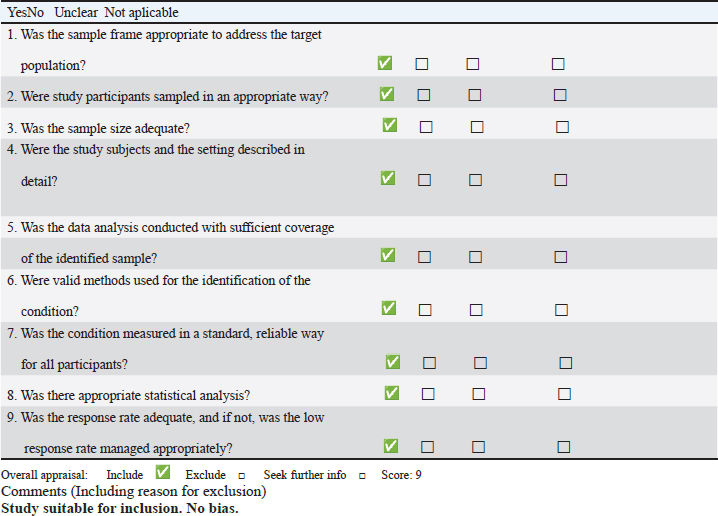
Quality Assessment of Studies
Appendix F. Excluded studies.
Studies Excluded for not Reporting Burnout Prevalence
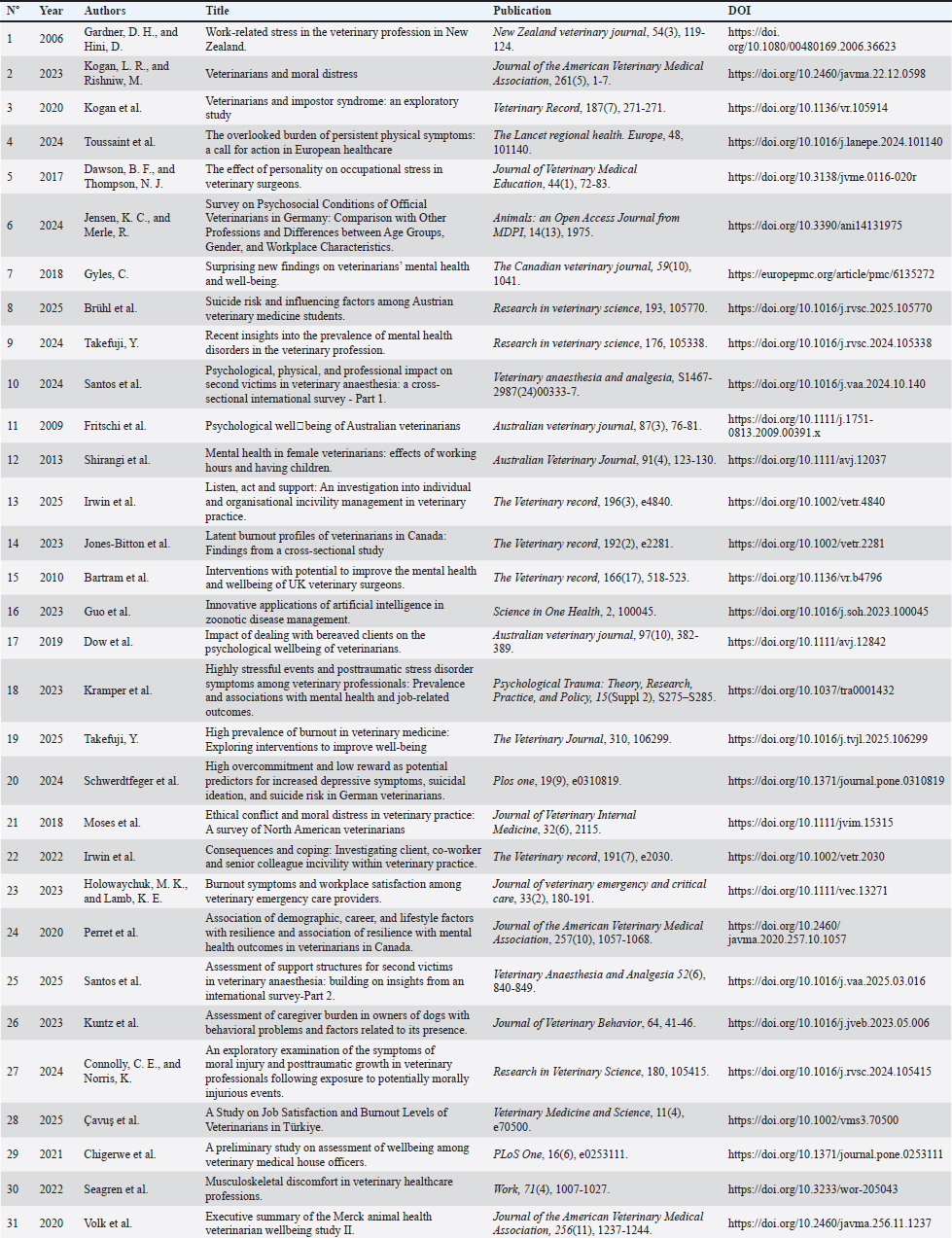
Studies Excluded Due to Lack of Access to the Full Text

Studies Excluded Due to Being Systematic Reviews
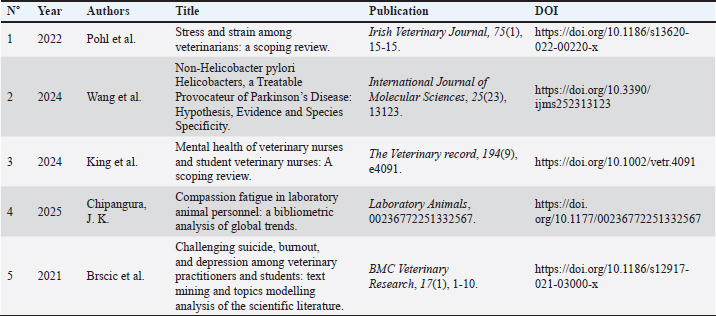
Studies Excluded for Omitting Veterinarian Burnout
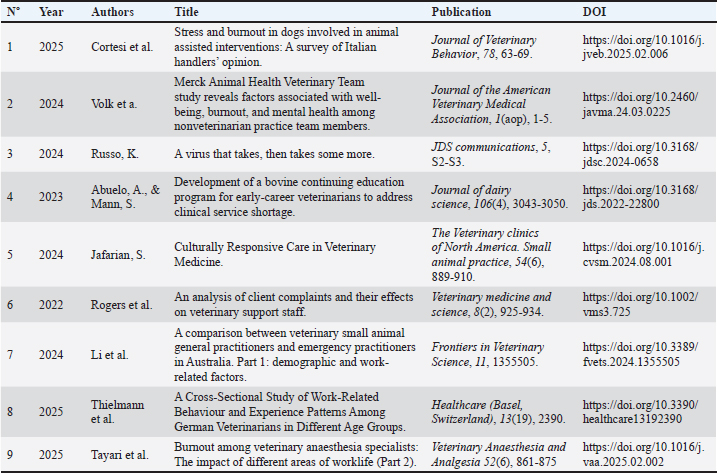
Studies Excluded for Being in a Different Language (Title and Abstract Provided in English)

Studies Excluded Because they are Qualitative

Studies Excluded Due to Insufficient Quality

Studies Excluded Due to Duplication of Another Study

Appendix G. Outcomes of the subgroup meta-analyses.
CBI scale subgroup
First, the effect size of the studies was 0.3524; which was moderate (40) and statistically significant, as indicated in Table 6 and Figure 5.
Heterogeneity statistics were obtained (Table 7), which revealed that the meta-analysis exhibited moderately low heterogeneity. Additionally, the Galbraith plot (Fig. 6) corroborated this low heterogeneity.
Finally, publication bias was assessed using the funnel plot (Fig. 7), confirming the absence publication bias.
MBI scale subgroup
First, the effect size of the studies was 0.3737 which was moderate (40) and statistically significant, as indicated in Table 8 and Figure 8.
Heterogeneity statistics were obtained (Table 7), which revealed that the meta-analysis exhibited moderately low heterogeneity. Additionally, the Galbraith plot (Fig. 9) corroborated this low heterogeneity.
Finally, publication bias was assessed using Egger´s regression (Table 10), and p > 0.05 was obtained. Hence,publication bias was ruled out. Fig. 10 illustrates the funnel plot, confirming the absence publication bias.
PROQUOL scale subgroup
First, the effect size of the studies was 0.4320 which was moderate (40) and statistically significant, as indicated in Table 11 and Fig. 11.
Heterogeneity statistics were obtained (Table 12), which revealed that the meta-analysis exhibited moderately low heterogeneity. Additionally, the Galbraith plot (Fig. 12) corroborated this low heterogeneity.
Finally, publication bias was assessed using Egger´s regression (Table 13), and p > .05 was obtained. Hence,publication bias was ruled out. Fig. 13 illustrates the funnel plot, confirming the absence publication bias.
Appendix H. Dimensions of work-related stress as antecedents of burnout.
Dimensions by studies
- Job demands, customer expectations, high rental costs, competition, bureaucracy, leadership and harmony in the workplace.
- Long working hours, customer expectations, lack of support, unexpected results, perception of low rewards.
- Gender pay disparities and work-family conflict; practicing euthanasia, ethical burden of animal care decisions; morally challenging events.
- Working hours; rest time during and after work; weekend and night shifts; work overload; work-family conflict; insufficient vacation time.
- Competition from large corporations; difficulty setting prices, paying staff, and developing marketing strategies; irregular appointments; variable workload; unstable schedules; and income instability.
- Participation in patient safety events.
- Time pressure, work overload, mismatch between workload and available time.
- Work-family conflict, workload, job insecurity, and role conflicts.
- Working hours and work overload.
- Student debt.
- Long working hours, work overload, work-family conflict, high student debt.
- Work-life imbalance, ethical conflicts, and long working hours.
- Conflict with the owner/farmer; relationships with colleagues/superiors; unfavorable legal environment/professional institutions; unsupported euthanasia requests.
- Work-family conflict, financial situation, work pressure, workload, role conflict, on-call duties, administrative tasks, and job insecurity.
- Workload, long working hours, environmental hazards, emotionally intense interactions with clients, exposure to suffering, and euthanasia.
- Overwork and long working hours, demanding clients, delivering bad news, ethical and moral stress, a negative work-life balance, and continuous exposure to euthanasia. Dealing with animal abuse; the need to maintain their business; high competitiveness in the search for new clients, products, or services that allow them to achieve a significant degree of differentiation compared to others; the daily need to retrain and stay up-to-date with the latest knowledge; interpersonal conflicts in the workplace; the fear of making mistakes in the diagnosis or treatment of their patients' illnesses; and relatively low salaries, a lack of role definition, and little social recognition.
- Role ambiguity, excessive workload, workplace inequality.
- Weekly working hours, net monthly income, daily sleep hours, annual vacation days, weekly recreational activity.
- Working hours per week; performing euthanasia; on-call shifts; weekend work; administrative tasks.
- Long hours, student debt, and working as a substitute veterinarian.
- Working with sick and injured animals, emotionally unstable clients, personal and professional financial pressures, work-family conflict, and mastering the latest diagnostic procedures.
- Performing euthanasia.
- Workload, responsibilities, work-family conflict, tensions with colleagues, financial problems, emotional demands, conflicts with clients, and a sense of danger.
- Emotional demands, work-family conflict, fear of complaints, role ambiguity, practice time, practice environment, working hours, feeling of stagnation in one's profession, and interactions with clients.
- Work-family conflict, lack of recognition, workload, low staff-to-patient ratio, electronic health record systems, long working hours, and on-call shifts.
- Impact of work limitations on family life; recovery of amounts owed by clients; disruption of family life due to telephone calls; impact of work limitations on social life; ingratitude on the part of clients; long working hours; sharing time between partner and patients; telephone calls at night and in the early morning; unrealistic expectations of clients; administrative limitations due to tax obligations; requests for euthanasia for patients who are not suffering; emergency calls during consultation hours; follow-up of difficult cases; loss of clients to another veterinarian (competition).
- Economic euthanasia, clients' financial limitations, long working hours, exposure to euthanasia, conflicts between client desires and patient needs, high debt-to-income ratio, emotional strain of accompanying clients through their grief.
- Toxic work environment; work overload; long working hours; lack of autonomy.
- Long working hours; insufficient income; ethical dilemmas, clients' financial limitations affecting pet care, work overload, client complaints and errors; work-life balance.
Summary Table