




| Research Article | ||
Open Vet. J.. 2026; 16(7): 4783-4795
Open Veterinary Journal, (2026), Vol. 16(7): 4783-4795 Research Article Evaluation of heavy metals accumulation and its influence on proximate composition in coastal versus deeper-water demersal fishes from the Tripoli Coast, LibyaAfaf A. Mohamed Ali1, Khawla Khirallah Bukha2*, Nadia B. Gregni3, Mahasn Saleh Kubbat1, Faten Rajab Alkamoushi1 and Hanan Almahdi Mosbah11Libyan Advanced Center for Chemical Analysis, Libyan Authority for Scientific Research, Tripoli, Libya 2Department of Poultry and Fish Diseases, Faculty of Veterinary Medicine, University of Tripoli, Tripoli, Libya 3Department of Statistics, Faculty of Science, University of Tripoli, Tripoli, Libya *Corresponding Author: Khawla Khirallah Bukha. Department of Poultry and Fish Diseases, Faculty of Veterinary Medicine, University of Tripoli, Tripoli, Libya. Email: Khawla.bukha [at] uot.edu.ly Submitted: 28/01/2026 Revised: 22/05/2026 Accepted: 06/06/2026 Published: 20/07/2026 © 2025 Open Veterinary Journal
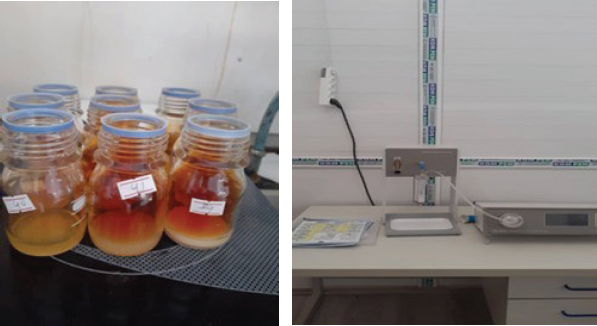
ABSTRACTBackground: The marine environment is threatened by heavy metal accumulation, which can build up in fish tissues and affect human consumption. Differences in fish species metabolism and habitat may alter proximate composition and the degree of heavy metal accumulation. Aim: This study evaluated the proximate composition (lipid and protein composition) and accumulation of cadmium (Cd), lead (Pb), and mercury (Hg) in selected fish species collected from different depths along the Tripoli coastline. Methods: A total of 56 fish samples representing Marbled spinefoot (Siganus rivulatus), Salema (Sarpa salpa), Dusky grouper (Epinephelus marginatus), and Stargazer (Uranoscopus scaber) were analyzed. Crude protein was measured using a DR3900 spectrometer, and lipid was analyzed using Soxhlet extraction. Mercury, Cd, and Pb were digested using a microwave digestion system followed by a cold vapor atomic absorption spectroscopy system for Hg and a graphite furnace AAS (GFAAS; novAA800) for Pb and Cd. Results: Statistically significant differences in lipid and crude protein contents were observed between coastal and deep-sea species (t-test, p ˂ 0.001), with deep-water demersal species revealing higher lipid and protein levels. Uranoscopus scaber exhibited the highest mean concentrations of selected heavy metals (Pb: 0.3 mg/kg, Cd: 0.04 mg/kg, and Hg: 0.034 mg/kg), although the observed differences in heavy metal accumulation across species and all measured levels in muscle remained within permissible limits. The spatial variation analysis revealed no significant differences in the concentrations of heavy metals across the selected sampling locations. Mercury accumulation was correlated with changes in lipid and protein content among all species (p < 0.05), whereas the effects of Cd and Pb varied across species. Conclusion: This study provides valuable scientific insights for future environmental monitoring programs to ensure food safety and enhance the understanding of contamination dynamics along the Tripoli coast. All the fish species under study revealed levels of heavy metals within safety limits, indicating that they are considered safe for public consumption. Keywords: Crude protein, Deep-water, Food safety, Heavy metals, Lipid. IntroductionMarine pollution is recognized as one of the biggest environmental issues that negatively impacts the health of marine animals and their natural environment (Tantoush, 2025). Marine environments are contaminated by various pollutants released from wastewater effluents, agricultural drainage, household waste, and industrial factories (Tahany et al., 2022). Exposure to sewage contamination threatens public health through human contact with contaminated waters and consumption of contaminated seafood (Bukha et al., 2025). The Libyan coastline plays an important role in supporting the Mediterranean ecosystem’s biological productivity and biodiversity (Okbah et al., 2018). In Libya, coastal waters have suffered from the direct discharge of partially treated and untreated municipal sewage for many years, leading to significant environmental concerns (Bukha et al., 2025). Contamination of marine ecosystems with heavy metals has become a significant global issue, particularly in developing countries such as Libya (Okbah et al., 2018). However, heavy metals rank among the most dangerous contaminants due to their high ability to bioaccumulate in marine organisms and transfer through the food chain, negatively affecting public health when contamination levels are high (Hasan and El-maleh, 2025; Tantoush, 2025). Heavy metals can accumulate in sediments for long periods and subsequently biomagnify across marine food chains in marine ecosystems (Rajeshkumar and Li, 2018). Heavy metals naturally accumulate at very low concentrations in marine environments, but human activities can elevate their levels to extremely high concentrations (Hasan et al., 2025). The major metals contaminating aquatic environments include zinc (Zn), mercury (Hg), lead (Pb), cadmium (Cd), nickel (Ni), copper (Cu), arsenic (As), and chromium (Cr) (El-Sharkawy et al., 2025). Of these metals, Pb, Hg, and Cd are the most harmful (Zahran et al., 2025). Fishes are continuously subjected to heavily contaminated marine environments, leading to various alterations in their cellular and whole body (Tahany et al., 2022). Therefore, fishes play a vital role as bioindicators of heavy metal distribution in marine ecosystems, whereas the concentrations of metals in their muscles reflect the levels of metals in the marine waters (Bashir, 2021). The bioaccumulation of metals in fishes leads to oxidative stress that results in crude protein oxidation and lipid peroxidation (Jamil Emon et al., 2023). As a result, fishes show decreased crude lipid content and crude protein in tissues, contributing to impaired physiological functions, lowered nutritional quality, and reduced growth (Liu et al., 2022; Jamil Emon et al., 2023). Recently, several studies have quantified the concentrations of heavy metals in different organs of fishes collected from Libyan coasts, highlighting the spatial differences in pollution sources (Okbah et al., 2018). These studies, carried out in Misurata, Tripoli, Benghazi, and Tobruk, consistently report spatial variations in heavy metal levels linked to pollution sources (Hassan and Elssaidi, 2015; Okbah et al., 2018; Maeyouf et al., 2025). Several studies have been conducted on commercially available fish along the Libyan coast, evaluating lipid content and crude protein to characterize their nutritional status under environmental conditions (Abuajaila et al., 2021). A study by Saleh (2023) evaluated the nutritional quality and heavy metal pollution of gilthead seabream from 3 regions of Al-Jabal Al-Akhdar, Libya. The results of this study exhibited moderate lipid (8.12%) and crude protein (17.4%) contents, indicating good nutritional value. Concentrations of certain heavy metals exceeded the maximum permissible limits. Fishes are considered an excellent bioindicator organism for monitoring marine pollution and investigating metal pollution in the marine environment. Heavy metals are considered the most important type of marine pollution due to their toxicity and environmental persistence; these pollutants can accumulate in fishes. Although numerous studies in Libya have investigated the accumulation of heavy metals in commercial fish along the Libyan coast, few studies have examined how the accumulation of metals influences lipid and protein contents. However, few studies have compared the accumulation of heavy metals between shallow-water coastal and deeper-water demersal fishes along the Tripoli coast, leaving a gap in understanding how marine pollution affects fishes differently depending on habitat depth. Therefore, the present study aims to fill this gap by evaluating and comparing the accumulation of Cd, Hg, and Pb in shallow-water coastal and deeper-water demersal fishes, measuring crude protein and lipid contents in fish muscles and their correlations with heavy metal concentrations, and evaluating pollution across fishing sites and fish species from different depths to provide a comprehensive analysis of marine pollution and its consequences for fish nutritional quality. Furthermore, it provides crucial data for veterinary and human health fields, contributing to the monitoring of fish health and seafood safety. Materials and MethodsSampling locationFish samples were collected from 3 sites along the Tripoli coast in Libya: Janzour, Tajoura, and Ghout-Al-Rumman. These sites were selected to offer representative sampling along the Tripoli coast. No control site was established in this study because untreated wastewater extensively influences the entire Tripoli coast. Therefore, the selected locations were considered suitable for evaluating the degree of pollution along the Tripoli coastline. Fishes selectionA total of 56 fish samples were collected in the morning during the summer of 2025. Local small-scale fishermen captured all samples using gill nets. The fish samples were selected based on their commercial and ecological significance. Two categories of fish were captured from each location: Shallow-water coastal fishMarbled spinefoot (Siganus rivulatus) and Salema (Sarpa salpa) inhabit nearshore waters (0–30 m). Deeper-water demersal fishDusky grouper (Epinephelus marginatus) and Stargazer (Uranoscopus scaber) inhabit deeper coastal waters (100–200 m). The fish samples included 16 specimens of Sarpa salpa and Uranoscopus scaber) and 12 specimens of Siganus rivulatus and Epinephelus marginatus. Sample preparation and chemical analysisThe fish samples were washed with deionized water, placed in cleaned plastic bags, and stored in an ice box after capture. Subsequently, the samples were transported to the Libyan Advanced Center for Chemical Analysis laboratory, Tripoli, Libya. Approximately 10 g of muscle tissue was dissected from each fish and then oven-dried and ground. Subsamples were taken for heavy metals, crude protein, and lipid analysis after homogenization. However, quality assurance and quality control procedures were implemented during the entire analytical procedure. Duplicate samples and reagent blanks were analyzed to ensure analytical accuracy. The instruments were calibrated using standard solutions, and all reagents were used to ensure accurate results. Heavy metals analysisDetermination of mercury contentApproximately 1 g of homogenized muscle tissue was digested using a microwave digestion system (Infitek, China). The samples were digested with concentrated nitric acid (HNO3) and left at 20°C for 30 minutes, after which 2 ml of hydrogen peroxide was added to complete the digestion. Dilute the digests with distilled water. Mercury concentrations were determined using a cold vapor atomic absorption spectroscopy (CV-AAS) system (LabAnalyzer 254, Germany) (Fig. 1).
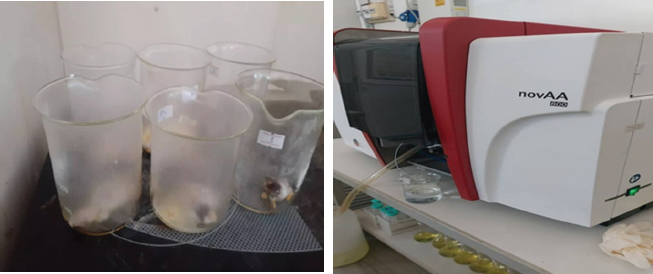
Fig. 1. Analytical setup for mercury determination using the (CV-AAS) system. Determination of Pb and CdApproximately 1 g of homogenized muscle tissue was digested using a microwave digestion system (Infitek, China). The samples were digested with concentrated HNO3 and left at room temperature for 30 minutes. When necessary, 3–5 ml of H2O2 was added to complete digestion. Dilute the digests with distilled water. The concentrations of Pb and Cd were determined using graphite furnace AAS (GFAAS; novAA800) (Fig. 2).
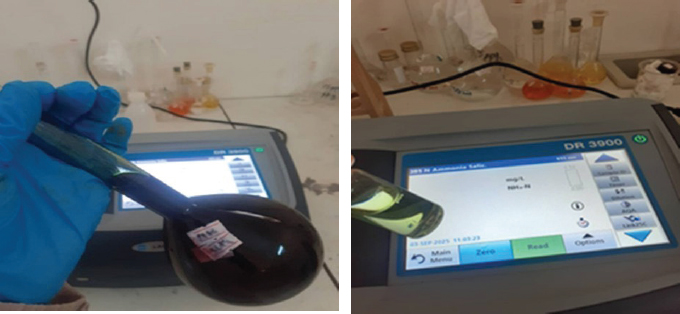
Fig. 2. Laboratory setup for the determination of lead and cadmium using (GFAAS; novAA800). Quality control for the detection of heavy metals (Hg, Pb, and Cd)The limits of detection for Hg, Pb, and Cd were 0.01 ppb for each metal. The recovery rates for Hg, Cd, and Pb ranged from 96% to 104%, 97% to 103%, and 98.5% to 101.5%, respectively, confirming the accuracy of the analytical method. Crude protein and lipid analysisDetermination of the crude proteinFish muscles were analyzed to obtain crude protein content using the Kjeldahl procedure. Approximately 2 g of homogenized fish tissue (muscle) was digested with concentrated sulfuric acid in the presence of copper sulfide and sodium sulfide until a clear solution was obtained. The mixture was neutralized with sodium hydroxide and collected in boric acid solution. Nitrogen was measured colorimetrically using a DR3900 spectrometer, and crude protein was calculated using a conversion factor of 6.25 (Fig. 3).
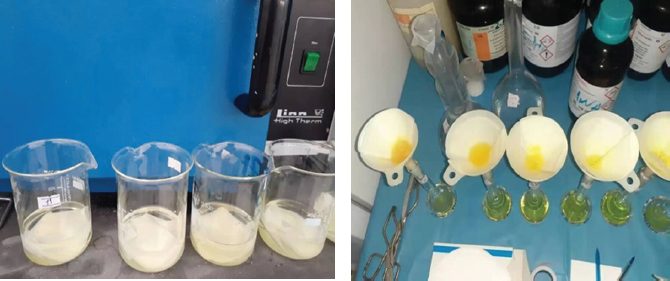
Fig. 3. Analytical setup for crude protein determination using a DR3900 spectrometer. Determination of lipidsFish muscles were analyzed for lipid content using Soxhlet extraction. Approximately 5 g of fish samples was extracted with petroleum ether, the solvent was evaporated, and the residue was dried at 100°C to constant weight. Lipid content was calculated as a percentage of the dry weight of the fish sample (Fig. 4).
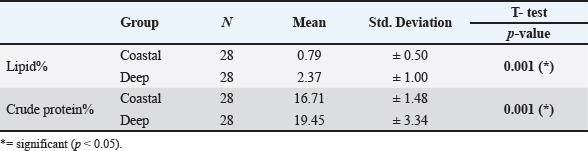
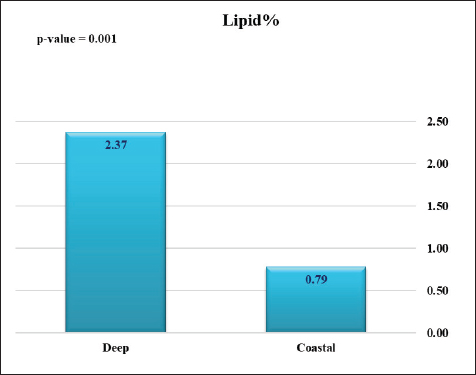
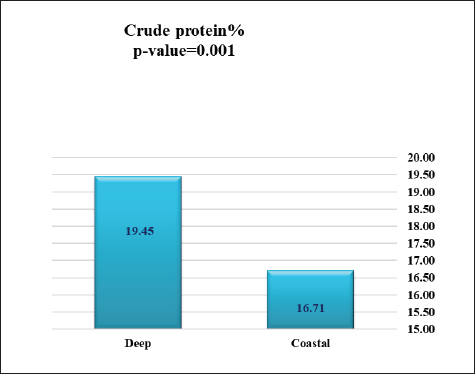
Fig. 4. Analytical setup for lipid extraction using the Soxhlet extraction method. Statistical analysisThe data were analyzed using the SPSS Statistics software version 25, which was used to analyze the collected data, mean, and standard deviation. Independent two-sample (T-test), one-way analysis of variance (ANOVA), coefficient of correlation, and multiple linear regression were used to compare means. We used a p-value < 0.05, which is considered significant. Ethical approvalFishes were obtained from local fishermen, and no procedures were conducted on live fishes. Therefore, ethical approval was not required according to local regulations. ResultsComparison of lipid and crude protein levels between shallow-water coastal and deeper-water demersal fishesThe mean value (± SD) of total lipid and crude protein contents significantly differed (t-test, p ˂ 0.001) between coastal and deeper-water demersal fishes (Table 1 and Figs 5 and 6). Table 1. Comparison of lipid and crude protein levels between shallow-water coastal and deeper-water demersal fishes.
Fig. 5. Comparison of lipid levels between shallow-water coastal and deep-water demersal fishes.
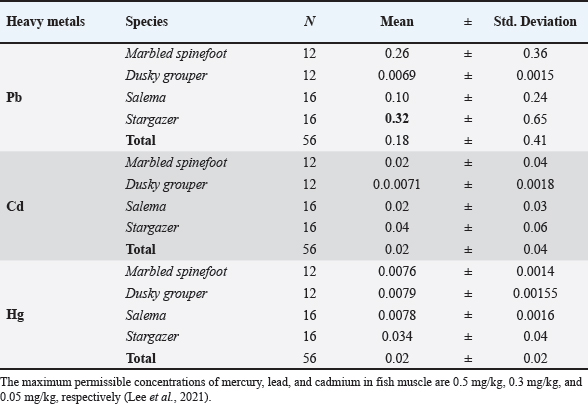
Fig. 6. Comparison of crude protein levels between shallow-water coastal and deep-water demersal fishes. Measurement of the heavy metal concentration among 4 speciesThe mean concentrations of Pb (0.3 mg/kg), Cd (0.04 mg/kg), and Hg (0.034 mg/kg) detected in Stargazer (Uranoscopus scaber) were higher than those recorded in M. spinefoot (Siganus rivulatus), Salema (Sarpa salpa), and D. grouper (Epinephelus marginatus). The associated standard deviations indicated some variability among the Stargazer (Uranoscopus scaber). All measured concentrations remained within the permissible limits in fish muscle (Table 2s). Table 2. Measurement of the heavy metal concentrations among 4 species.
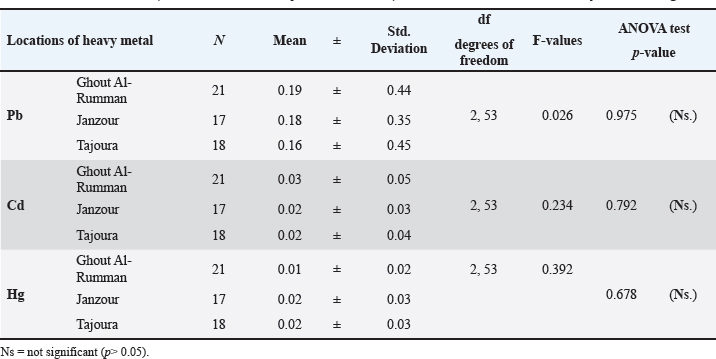
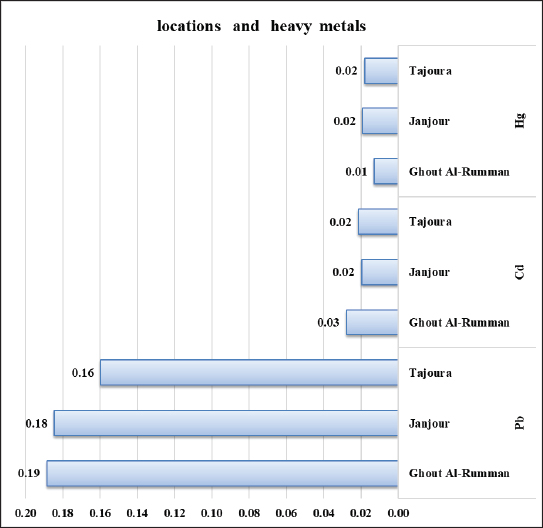
Test of the effect of location (Ghouta Al-Rumman, Tajoura, and Janzour) on the mean accumulation of heavy metals in fishesStatistical analysis using the mean value (± SD) and one-way ANOVA indicated that fishing locations had no significant effect on the mean accumulation of heavy metals in the studied fish samples. The results showed no statistically significant differences in the mean concentrations of Pb (p=0.975), Cd (p=0.792), or Hg (p=0.678) among the different locations (Table 3 and Fig. 7). Table 3. Effect of locations (Ghouta Al-Rumman, Tajoura, and Janzour) on the mean accumulation of heavy metals among fishes.
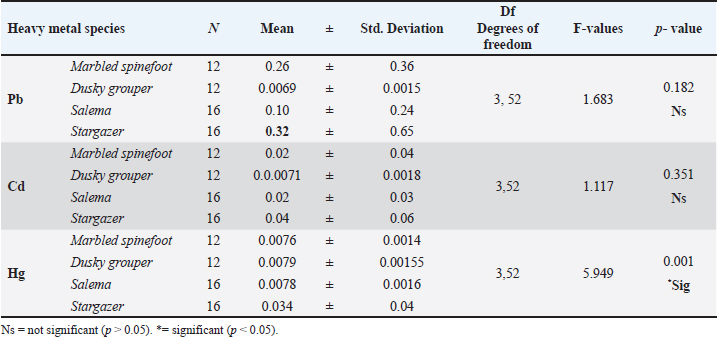
Fig. 7. The effect of locations (Ghouta Al-Rumman, Tajoura, and Janzour) on the mean accumulation of heavy metals among the fish species. The mean accumulation of heavy metals among fish species was compared to determine those most affected by pollutionThere were statistically significant differences in the mean of heavy metal accumulation (Hg) among the different fish species according to one-way ANOVA (p ˂ 0.05). However, there were no statistically significant differences in the mean of heavy metal accumulation (Pb and Cd) (Table 4). Table 4. Comparison of the mean accumulation of heavy metals among fish species to determine those most affected by pollution.
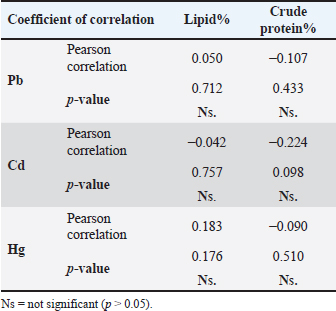
Analysis of the relationship between lipid, crude protein, and metal accumulationThe relationship between lipid, crude protein, and metal accumulation using Pearson’s correlation coefficient is not useful because the correlation factor results are not statistically significant. Therefore, multiple regression analysis was performed to further explore the associations (Table 5). Table 5. Relationship analysis between lipid, crude protein, and metal accumulation.
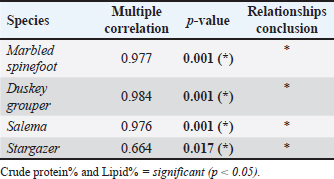
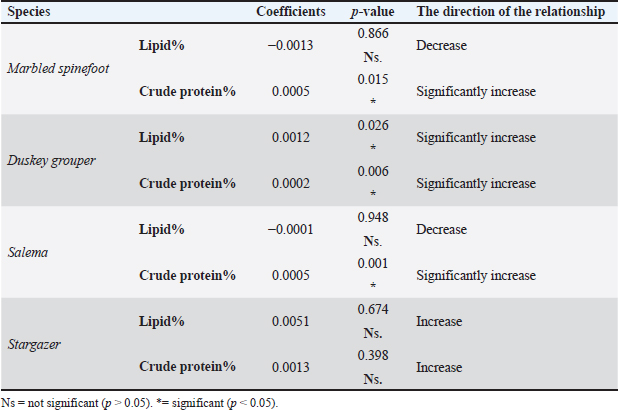
Analysis of the relationship between lipid, crude protein, and Hg concentrationsMultiple linear regression was performed using a model without an intercept to determine the relationships between lipid, crude protein, and Hg accumulation. A statistically significant relationship was found between Hg concentration (Hg), crude protein%, and lipid% (p < 0.05). The multiple correlation coefficients for this relationship were significantly strong and linear, at 0.977 for M. spinefoot, 0.984 for D. grouper, 0.976 for Salema, and 0.664 for Stargazer (Tables 6 and 7). Table 6. Dependent variable: Hg and Predictors.
Table 7. Determining the strength and direction of the coefficient relationship (Hg).
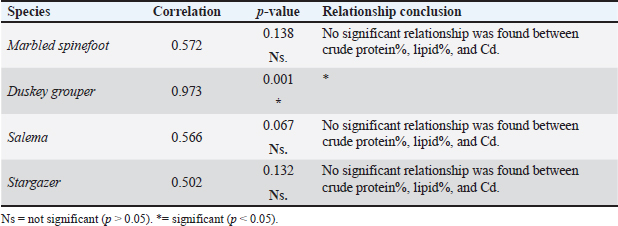
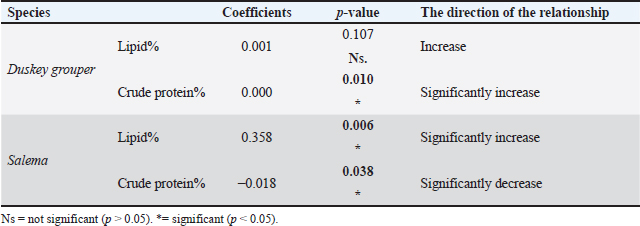
Analysis of the relationship between lipid, crude protein, and Cd concentrationsA statistically significant relationship was found between Cd and crude protein% and lipid% in D. grouper (p < 0.05), with a multiple correlation coefficient of 0.973 for this relationship, but no significant relationship was found between Cd and either crude protein or lipid content in M. spinefoot, Salema, and Stargazer (Tables 8 and 9). Table 9. Strength and direction of the relationship between the coefficients (Cd).
Table 8. Dependent variable: Cd and predictors: Crude Protein% and Lipid%.
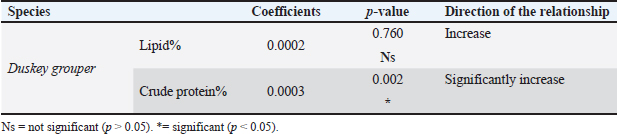
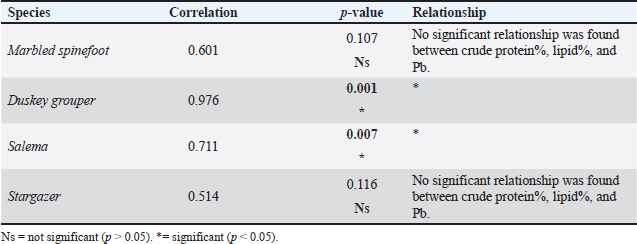
Analysis of the relationship between lipid, crude protein, and Pb concentrationsA statistically significant relationship was found between Pb and crude protein% and lipid% in D. grouper and Salema (p < 0.05), with multiple correlation coefficients of 0.952 and 0.711, respectively. However, there was no significant relationship between Pb and either crude protein or lipid content in M. spinefoot and Stargazer (Tables 10 and 11). Table 11. Strength and direction of the relationship between the coefficients (Pb).
Table 10. Dependent variable: Pb and Predictors: Crude protein% and lipid%.
DiscussionThe marine environment is exposed to various contaminants, including heavy metals, chemicals, and plastic waste. These pollutants accumulate in the sediment, negatively impacting the marine ecosystem’s quality (Tantoush, 2025). However, heavy metals are considered some of the most dangerous environmental contaminants due to their strong bioaccumulation and entry into the marine food web (Rakib et al., 2021). Fish can be bio-indicators of marine pollution, with heavy metal accumulation in their muscles. The accumulation of metals such as Hg, Pb, and Cd induces oxidative stress, leading to a reduction in lipid and crude protein contents (Jamil Emon et al., 2023). Statistically significant differences were observed in lipid and crude protein contents between shallow-water coastal and deep-sea demersal fish species (t-test ˂0.001). Deeper-water demersal fish species, particularly Epinephelus marginatus and U. scaber, exhibited notably higher lipid and crude protein levels than shallower-water coastal species (Siganus rivulatus and Sarpa salpa). These findings are consistent with the results reported by Eder and Lewis (2005), who showed that demersal fish species have significantly higher lipid content than pelagic fish species. Similarly, Nordhagen et al. (2020) demonstrated that nutrient composition varies with habitat type, with demersal species showing greater nutrient density than pelagic species. However, the findings of the current study conflict with those reported by Zhang et al. (2025), who demonstrated that mesopelagic fish exhibited significantly lower lipid and protein contents than shallow water fish species. However, deeper-water fish require more lipids, which may be related to cold tolerance and energy under food-poor conditions. Protein variations may result from the differing feeding ecology and metabolic behavior of deeper-water and coastal species. The current study exhibited higher mean concentrations of Cd, Pb, and Hg in the deeper-water demersal species in U. scaber compared with M. spinefoot, Salema, and E. marginatus. All concentrations remained within internationally permissible safety limits established by Lee et al. (2021), indicating that the study fish species are suitable for human consumption. Similarly, these results are partially similar to findings reported by Tahany et al. (2022), who demonstrated significant accumulation of Pb and Cd in Mugil cephalus from the Libyan coastline. On the contrary, Banana et al. (2025) reported low concentrations of Pb, Hg, and Cd in fishes collected along the western coast of Libya, with levels below the maximum permissible limits. The variation in the accumulation of heavy metals may be related to the bioaccumulation of these metals within sediments. Therefore, U. scaber is a deeper-water demersal-dwelling species, which may be subjected to sediments enriched in heavy metals that can enhance biomagnification via the marine food chain. According to the results, the accumulation of heavy metals in fish muscles was not significantly affected by the catch location. No significant difference in heavy metal concentrations was found among the 3 sampling locations (Ghout Al-Rumman, Tajoura, and Janzour) (ANOVA, p ˃ 0.05). This finding is consistent with the result of Ghania et al. (2025), who determined heavy metal concentrations in multiple fish species from the Tripoli coast and found that all measured heavy metals were within internationally permissible limits. This study indicates a relatively uniform environment across adjacent coastal areas. On the other hand, other studies have documented significant spatial variation in the accumulation of heavy metals among different locations, indicating clear spatial variation in contamination levels (Zeyadah et al., 2023). Also, a study conducted by Bukha et al. (2025) exhibited elevated phosphate concentrations in the seawater of the Tajoura region relative to Al-Shabb Port and Hay-Andalus. These studies contradict the results of the current study. Therefore, the lack of spatial difference in heavy metal accumulations in the present study indicates that pollution along the Tripoli coastline is diffuse and follows a generalized contamination pattern. Furthermore, the mobility of fish may reduce local variation in pollution exposure (Tantoush, 2025). Mercury exhibited significant differences among the fish species (ANOVA, p ˂ 0.05), whereas Cd and Pb did not show significant differences. This finding is consistent with the results of Abolghait and Garbaj (2015), who showed that Hg levels exceeded those of Pb and Cd in fresh little tunny and canned tuna from Tripoli, Libya. On the contrary, the findings of the current study conflict with those reported by Banana et al. (2025), who found higher Zn and iron levels than Hg in the muscle tissues of commercially caught fish species from the western coast of Libya. Elevated Hg levels may be related to the strong binding ability of methylmercury to muscle proteins, whereas Cd and Pb tend to accumulate in organs with high metabolic activity, such as the liver and kidney. According to Pearson’s correlation analysis, no statistically significant linear correlations were observed between protein and lipid concentrations and metal levels; therefore, multiple regression analysis was utilized to analyze the relationship between protein and lipid concentrations. Multiple regression analysis revealed species-specific correlations between lipid and protein concentrations and heavy metal concentrations. Cadmium was associated with lipid and protein contents only in E. marginatus, and Pb was positively correlated with Sarpa salpa and E. marginatus. Mercury was positively correlated with both lipid and protein in E. marginatus and U. scaber, whereas increased protein and decreased lipid levels were observed in S. rivulatus and S. salpa. These findings highlight that metals influence lipid and protein concentrations differently among fish species, which may be related to feeding habits, ecological niches, and metabolism. Although this study has valuable findings, there are limitations that should be acknowledged. First, the study was conducted in a limited location along the coast of Tripoli, which may not accurately represent heavy metal contamination patterns throughout the coast. Second, the limited sample size and fish species analyzed may impact the generalizability of the findings. Third, the levels of heavy metals were analyzed only in muscle tissues, while liver, gills, and kidney were not analyzed. Future research, including wider sampling locations, multiple fish species, larger sample sizes, and additional organs, would provide a clearer understanding of heavy metal bioaccumulation and its potential effects on fish nutritional properties. ConclusionThe present study provides valuable insights into proximate composition (lipid and protein) and heavy metal concentrations in four commercially caught fish species from coastal and deep zones along the Tripoli coast. Deeper-water demersal fish species had higher lipid and protein contents than shallow-water coastal species, reflecting their physiological adaptations to deep-water habitats. This study focused on the muscle tissue of fish because of its importance for human consumption. The species-specific relationships between lipid content, protein content, and heavy metals may indicate that heavy metal accumulation alters muscle proteins. The observed differences in heavy metal accumulation across species, with all measured levels in muscle remaining within internationally permissible limits established by Lee et al. (2021), indicate that they are fit for public intake. At the same time, U. scaber accumulated higher Hg concentrations. These results may reflect the influence of habitat depth and ecological niche on the accumulation of heavy metals in the muscle of the studied fish. Overall, this study offers valuable scientific insights for future environmental monitoring programs and enhances our understanding of the dynamics of contamination along the Tripoli coast. In addition, the results highlight the necessity of continuous monitoring of heavy metal levels in seafood from a veterinary and One Health perspective to support fish health and maintain safe seafood for human consumption in Libya. AcknowledgmentsWe would like to express our gratitude to the Libyan Advanced Center for Chemical Analysis for their assistance in this study. Conflict of interestThe authors declare no commercial or financial relationship that could be understood as a potential conflict of interest. FundingThis study received no specific grant. Authors’ contributionsKKB designed the study and wrote the manuscript. AAA, MSK, FRA, and HAM collated the fish samples and performed their chemical analyses. NBG performed the statistical analysis of the results. KKB supervised the study and edited the manuscript. All authors have read, reviewed, and approved the final version of the manuscript. Data availabilityThe data supporting the findings of this study are available upon reasonable request from the corresponding author. ReferencesAbolghait, S. and Garbaj, A. 2015. Determination of cadmium, lead and mercury residual levels in meat of canned light tuna (Katsuwonus pelamis and Thunnus albacares) and fresh little tunny (Euthynnus alletteratus) in libya. Open. Vet. J. 5, 130. Abuajaila, M.S., Ali, R.A. and Ali, S.M. 2021. Morphometric and proximate traits of three commercial fishes of different grades (Seriola dumerili, Pagrus pagrus and Liza ramada) in summer and winter, eastern libya mediterranean sea. Albyan. Sci. J. 10(10), 428–416. Banana, A.A., Abuljam, O.M., Essabri, A.M., Abdaslam, N.M. and Sallam, R.M. 2025. Determination of heavy metal levels in muscle tissues of marine fish from the western coast of libya. AAJSR 303–308. Bashir. 2021. Toxicological effect of heavy metals to human health from consumption of fishes collected from the marine coastal water of Sabratha, Libya. Sada. Al-Jamea. J. Sci. Res. 310–325. Bukha, K.K., Shlayek, S.A., Mahgiubi, S.A., Sharif, E.A.T. and Ramadan, S.J. 2025. Microbial and physico-chemical assessment of seawater in fishing locations on the tripoli coast, libya: potential risks to marine animal life and public health. Open. Vet. J. 15(9), 4533; doi:10.1016/j.ovj.2020.4533 Eder, E. and Lewis, M. 2005. Proximate composition and energetic value of demersal and pelagic prey species from the SW Atlantic Ocean. Mar. Ecol. Prog. Ser. 291, 43–52. El-Sharkawy, M., Alotaibi, M.O., Li, J., Du, D. and Mahmoud, E. 2025. Heavy metal pollution in coastal environments: ecological implications and management strategies: a review. Sustainability 17(2), 701; doi:10.1016/j.sustainability.2025.07.001 Ghania, A.A., Elbeshti, H.T. and Elwalid, M.S. 2025. Evaluation of element concentrations in selected economic marine fish species in tripoli, libya. Libyan. J. Med. Appl. Sci. 17–25. Hasan, H. and El-Maleh, C. 2025. Evaluation of some heavy metal levels in tissue of fish collected from coasts of susa region, libya. Attahadi Med. J. 118–122. Hasan, H., Mohammed, M. and Al Hadad, E. 2025. Metal pollution and hazard indexes of heavy metal contents for some fish tissues collected from some Libyan coasts. Attahadi Med. J. 127–138. Hassan, Y.A. and Elssaidi, M.A. 2015. Near seashore waters and sediments heavy metals pollution along the Libyan western coast. 2nd Sci. Conf. Environ. Sci. 480–489. Jamil Emon, F., Rohani, M.F., Sumaiya, N., Tuj Jannat, M.F., Akter, Y., Shahjahan, M., Abdul Kari, Z., Tahiluddin, A.B. and Goh, K.W. 2023. Bioaccumulation and bioremediation of heavy metals in fishes—a review. Toxics 11(6), 510. Lee, J.G., Lee, Y., Kim, C.S. and Han, S.B. 2021. Codex alimentarius commission on ensuring food safety and promoting fair trade: harmonization of standards between Korea and Codex. Food Sci. Biotechnol. 30(9), 1151–1170. Liu, Y., Chen, Q., Li, Y., Bi, L., Jin, L. and Peng, R. 2022. Toxic effects of cadmium on fish. Toxics 10, 622. Maeyouf, H., Khattab, R.A., Temraz, T., Sami, M., Ali, I. and Imanova, G. 2025. Assessment of heavy metal contamination in sediments, seawater, and marine organisms along the Benghazi Coast, Northeastern Libya (Mediterranean Sea). Environ. Sci. Pollut. Res. 32(33), 19953–19974. Nordhagen, A., Rizwan, A.A.M., Aakre, I., Moxness Reksten, A., Pincus, L.M., Bøkevoll, A., Mamun, A., Haraksingh Thilsted, S., Htut, T., Somasundaram, T. and Kjellevold, M. 2020. Nutrient composition of demersal, pelagic, and mesopelagic fish species sampled off the coast of bangladesh and their potential contribution to food and nutrition security—the eaf-nansen program. Foods 9(6), 730. Available via https://www.mdpi.com/2304-8158/9/6/730 Okbah, M., A.S. Dango, E. and M.El Zokm, G. 2018. Heavy metals in fish species from mediterranean coast, tripoli port (Libya): a comprehensive assessment of the potential adverse effects on human health. Egypt. J. Aquatic Biol. Fisheries 22(5 Special Issue), 149–164. Rajeshkumar, S. and Li, X. 2018. Bioaccumulation of heavy metals in fish species from the meiliang bay, taihu lake, China. Toxicol. Rep. 5, 288–295. Rakib, M.R.J., Jolly, Y.N., Enyoh, C.E., Khandaker, M.U., Hossain, M.B., Akther, S., Alsubaie, A., Almalki, A.S.A. and Bradley, D.A. 2021. Levels and health risk assessment of heavy metals in dried fish consumed in Bangladesh. Sci. Rep. 11, 14642. Saleh, M. 2023. Determination of some chemical composition and heavy metal accumulation of gilthead seabream (Sparus aurata) fish in the al-jabal al akhdar coast-libya. MISJ-International. J. Med. Res. Allied. Sci. 1(02), 64–71; doi:10.1016/j.misj.2008.08.024 Tahany, A., Hussein, B.J., Nabeia, A.G. and Salha, A.Z. 2022. Bioaccumulation of heavy metals (cadmium and lead) in liver, gills and muscle of seawater fish mugil cephalus from benghazi lake and qaminus beach, libya. Libyan. J. Sci. Technol, 14(2), 154–158. Tantoush, J. 2025. Environmental pollution assessment of some heavy metals in surface sediments of the eastern part of the coast of Tripoli, Libya. AlQalam. J. Med. Appl. Sci. 2072, 2072–2082. Zahran, E., Mamdouh, A.Z., Elbahnaswy, S., El-Son, M.M.A., Risha, E., Elsayed, A., Barbary, M.I.E. and Sebaei, M.G.E. 2025. The impact of heavy metal pollution: bioaccumulation, oxidative stress, and histopathological alterations in fish across diverse habitats. Aquac. Int. 33(5), 371; doi:10.1016/j.aquacultureint.2012.0101 Zeyadah, M.A., Bahnasawy, M.H., Deedah, A.M., El-Emam, D.A. and Adress, H.M. 2023. Evaluation of the contents of aliphatic and aromatic hydrocarbons in sediment from zwitina harbor coast (libya), as indicator of petroleum pollution. Egypt. J. Aquatic. Biol. Fisheries. 27(6), 57–76. Zhang, B., Virtue, P., Pethybridge, H., Swadling, K.M., Nichols, P.D. and Chang, K.J.L. 2025. Nutritional composition and energetic values of mesopelagic fish from the tasman sea. J. Food. Composition. Anal. 142, 107509; doi:10.1016/j.jfca.2025.01.007 | ||
| How to Cite this Article |
| Pubmed Style Ali AAM, Bukha KK, Gregni NB, Kubbat MS, Alkamoushi FR, Mosbah HA. Evaluation of heavy metals accumulation and its influence on proximate composition in coastal versus deeper-water demersal fishes from the Tripoli Coast, Libya. doi:10.5455/OVJ.2026.v16.i7.57 Web Style Ali AAM, Bukha KK, Gregni NB, Kubbat MS, Alkamoushi FR, Mosbah HA. Evaluation of heavy metals accumulation and its influence on proximate composition in coastal versus deeper-water demersal fishes from the Tripoli Coast, Libya. https://www.openveterinaryjournal.com/?mno=308426 [Access: July 15, 2026]. doi:10.5455/OVJ.2026.v16.i7.57 AMA (American Medical Association) Style Ali AAM, Bukha KK, Gregni NB, Kubbat MS, Alkamoushi FR, Mosbah HA. Evaluation of heavy metals accumulation and its influence on proximate composition in coastal versus deeper-water demersal fishes from the Tripoli Coast, Libya. doi:10.5455/OVJ.2026.v16.i7.57 Vancouver/ICMJE Style Ali AAM, Bukha KK, Gregni NB, Kubbat MS, Alkamoushi FR, Mosbah HA. Evaluation of heavy metals accumulation and its influence on proximate composition in coastal versus deeper-water demersal fishes from the Tripoli Coast, Libya. doi:10.5455/OVJ.2026.v16.i7.57 Harvard Style Ali, A. A. M., Bukha, . K. K., Gregni, . N. B., Kubbat, . M. S., Alkamoushi, . F. R. & Mosbah, . H. A. (2026) Evaluation of heavy metals accumulation and its influence on proximate composition in coastal versus deeper-water demersal fishes from the Tripoli Coast, Libya. doi:10.5455/OVJ.2026.v16.i7.57 Turabian Style Ali, Afaf A. Mohamed, Khawla Khirallah Bukha, Nadia B. Gregni, Mahasn Saleh Kubbat, Faten Rajab Alkamoushi, and Hanan Almahdi Mosbah. 2026. Evaluation of heavy metals accumulation and its influence on proximate composition in coastal versus deeper-water demersal fishes from the Tripoli Coast, Libya. doi:10.5455/OVJ.2026.v16.i7.57 Chicago Style Ali, Afaf A. Mohamed, Khawla Khirallah Bukha, Nadia B. Gregni, Mahasn Saleh Kubbat, Faten Rajab Alkamoushi, and Hanan Almahdi Mosbah. "Evaluation of heavy metals accumulation and its influence on proximate composition in coastal versus deeper-water demersal fishes from the Tripoli Coast, Libya." doi:10.5455/OVJ.2026.v16.i7.57 MLA (The Modern Language Association) Style Ali, Afaf A. Mohamed, Khawla Khirallah Bukha, Nadia B. Gregni, Mahasn Saleh Kubbat, Faten Rajab Alkamoushi, and Hanan Almahdi Mosbah. "Evaluation of heavy metals accumulation and its influence on proximate composition in coastal versus deeper-water demersal fishes from the Tripoli Coast, Libya." doi:10.5455/OVJ.2026.v16.i7.57 APA (American Psychological Association) Style Ali, A. A. M., Bukha, . K. K., Gregni, . N. B., Kubbat, . M. S., Alkamoushi, . F. R. & Mosbah, . H. A. (2026) Evaluation of heavy metals accumulation and its influence on proximate composition in coastal versus deeper-water demersal fishes from the Tripoli Coast, Libya. doi:10.5455/OVJ.2026.v16.i7.57 |


