




| Research Article | ||
Open Vet. J.. 2026; 16(7): 4810-4818
Open Veterinary Journal, (2026), Vol. 16(7): 4810-4818 Research Article Biological characterization of staphylococcal enterotoxin Y from Staphylococcus aureus isolated from Etawah Crossbreed goat milk and its potential to cause food poisoningFatkhanuddin Aziz1*, Dian Ritma Setyorini1, Fauziah Fitriana1, Shafira Amalia Putri1 and Siti Isrina Oktavia Salasia21Department of Bioresources Technology and Veterinary, Vocational College, Universitas Gadjah Mada, Yogyakarta, Indonesia 2Department of Clinical Pathology, Faculty of Veterinary Medicine, Universitas Gadjah Mada, Yogyakarta, Indonesia *Corresponding Author: Fatkhanuddin Aziz. Department of Bioresources Technology and Veterinary, Vocational College, Universitas Gadjah Mada, Yogyakarta, Indonesia. Email: fatkhanuddin.aziz [at] mail.ugm.ac.id Submitted: 10/02/2026 Revised: 01/06/2026 Accepted: 13/06/2026 Published: 20/07/2026 © 2025 Open Veterinary Journal
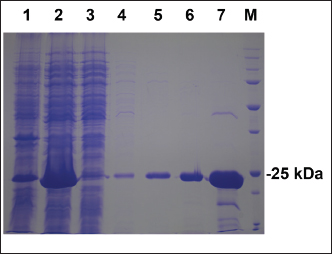
ABSTRACTBackground: Staphylococcus aureus (S. aureus) possesses various types of enterotoxins that are potential causative agents of food poisoning in milk and dairy products. The sey gene encoding staphylococcal enterotoxin Y (SEY) from an Indonesian Etawah crossbreed goat isolate exhibited differences in amino acid sequences compared with dairy cow and human isolates from Japan. Aim: This study aimed to investigate the biological characteristics of recombinant SEY (rSEY) from an S. aureus Etawah crossbreed goat isolate and determine its potential to cause food poisoning. Methods: rSEY from the sey gene of the Etawah crossbreed goat isolate was obtained through gene cloning and overexpression in Escherichia coli. Six histidine fusion-SEY was then purified using affinity chromatography. Stability tests of rSEY were performed by heating and proteolytic enzyme digestion. Emetic activity assays were performed using long-tailed macaques (Macaca fascicularis). Results: The rSEY was expressed in a soluble form with a size of 23.5 kDa. Approximately 31.44 mg of purified toxin was obtained from 300 ml of bacterial culture. The toxin was stable against heating, trypsin, and pepsin for up to 12 hours. Two of the 6 animals tested showed nausea, followed by vomiting within 2 hours after toxin administration. Moreover, all monkeys with rSEY showed diarrhea in the 24-hours observation period. Conclusion: The rSEY from Etawah crossbreed goat isolate demonstrated stability against heating and digestive enzymes and induced emetic activity in a primate model, highlighting the potential public health risk of contaminated goat milk and dairy products associated with staphylococcal food poisoning. Keywords: Emetic, Enterotoxin, Etawah crossbreed goat, Milk, S. aureus. IntroductionStaphylococcus aureus (S. aureus) is recognized worldwide as a major pathogen causing infection and diseases in animals and humans (Ren et al., 2020; Cheung et al., 2021; Miyake et al., 2022; Sato’o et al., 2024; Ijaz et al., 2026). This Gram-positive bacterium is a major mastitis pathogen that infects the mammary gland and causes both subclinical and clinical mastitis, leading to substantial economic losses in the dairy industry (Rusenova et al., 2022; Sabino et al., 2023; Mues et al., 2025). Economic losses due to mastitis include decreased milk production, shorter lactation period, and increased medical costs (Ewida and Al-Hosary, 2020; Zhang et al., 2022; Nuraini et al., 2023). Numerous studies have identified S. aureus in Etawah crossbred goat milk (Suwito et al., 2022; Widianingrum et al., 2021; Windria et al., 2016 ). Raw milk is the main source of S. aureus in dairy products (Algammal et al., 2020; Grispoldi et al., 2021; Bari et al., 2022; Ágredo-Campos et al., 2025). Poor hygiene practices, particularly inadequate pasteurization, may allow S. aureus to cause human foodborne diseases (Yehia et al., 2020; Zayda et al., 2020; Zhang et al., 2022; Pinamonti et al., 2025; Mekore et al., 2026). Staphylococcus aureus causes staphylococcal food poisoning (SFP) because of its ability to produce enterotoxins (Le Loir et al., 2003; Denayer et al., 2017; Grispoldi et al., 2021). Enterotoxins are generally resistant to heating and digestive enzymes, which significantly contribute to their stability during food processing (Ono et al., 2015; Nanoukon et al., 2018). The clinical symptoms of enterotoxin-contaminated food consumption include nausea, cramps, vomiting, and diarrhea (Ono et al., 2008; Argudín et al., 2010). Staphylococcus aureus produces more than 20 types of enterotoxins, and staphylococcal enterotoxin Y (SEY) was first discovered in 2015. rSEY cloned from an S. aureus isolate from cows in Japan showed superantigenic activity to proliferate human peripheral blood mononuclear cells and induced IFN-γ production (Ono et al., 2015). Moreover, similar to SEH, SEY has a unique mechanism of action, which interacts with Vα receptors on T cells, whereas other staphylococcal enterotoxins, including SEA, SEB, and SEC, primarily target TCR Vβ regions (Aziz et al., 2020; Aziz et al., 2024; Fooladi et al., 2025). Our previous study showed that 28% of S. aureus isolates from Etawah crossbred goat milk from Indonesia were positive for the sey gene, and the representative isolate (MR6) had different amino acid sequences compared with those from dairy cows and human isolates from Japan. SEY sequence analysis from Etawah crossbred goat isolates revealed 97.3% homology to SEYs from dairy cow and human isolates (Aziz et al., 2022). Interestingly, rSEY cloned from S. aureus isolates from atopic dermatitis in humans showed stability in heating treatments up to 100°C, while rSEY from dairy milk was reported to degrade upon heating (Ono et al., 2015; Aziz et al., 2020). Nonetheless, the potential of SEY as a food poisoning agent has not been established in the consensus animal standard for vomiting tests such as Macaca fascicularis or Macaca mulatta species (Lina et al., 2004; Ono et al., 2008; Seo, 2016). This study aimed to determine the biological characteristics of rSEY from S. aureus isolated from Etawah crossbreed goat milk. Biological tests were conducted by heating, trypsin/pepsin enzyme digestion, and vomiting test on long-tailed monkeys (M. fascicularis). Exploring SEY character from Etawah crossbred goat milk isolate is necessary to determine its potential to cause SFP. Materials and MethodsDNA extractionStaphylococcus aureus isolate code MR6, isolated from Etawah crossbred goat milk (Aziz et al., 2022), was selected as the DNA template for sey gene cloning. Genomic DNA was extracted and purified using the Presto Mini gDNA Bacteria Kit according to the manufacturer’s instructions with slight modifications. Two microliters of lysostaphin stock solution (5 mg/ml, Sigma, USA) were added during the lysis step to facilitate disruption of the Gram-positive bacterial cell wall (Francius et al., 2008). The concentration and purity of the extracted DNA were measured using a NanoDrop spectrophotometer (Thermo Fisher Scientific, USA). The extracted DNA showed a concentration of 30 ng/µl with an A260/280 ratio of 1.85. Cloning of the sey geneThe cloning strategy and primer design used in this study followed our previous study (Aziz et al., 2020). KAPA HiFi HotStart ReadyMix (KAPA system, USA) was used to amplify DNA fragments encoding the mature form of SEY using a forward primer containing an N-terminal 6×His-tag coding sequence (5′-GGAATTCCATATGCACCACCACCACCACCACAAAACAACTGGATTGATTACAG-3′) and a reverse primer (5′-TTGACGAATTCTATGTTGGAACGAC-3′). The resulting PCR product was cut with NdeI and EcoRI enzymes (FastDigest, Thermo Fisher Scientific, USA), then ligated into the pET 22b + plasmid (Novagen, Madison, WI) using T4 DNA ligase (Thermo Fisher Scientific, USA). Plasmids carrying the sey gene were then transformed into Escherichia coli (E. coli) strain DH5α (Thermo Fisher Scientific, USA) in Luria–Bertani (LB, Himedia, India) broth medium (10-g NaCl, 10-g trypticase peptone, and 5-g yeast extract per liter, pH 7.2) and supplemented with 100 µg/ml ampicillin or LB agar with ampicillin (Sigma, USA). The colony polymerase chain reaction was performed to verify the success of transformation. Next, pET 22b+:sey was extracted for downstream application using the FavorPrepTM Plasmid Extraction Mini Kit (Favorgen, Taiwan). The integrity of the sey gene in pET 22b+ was verified by DNA sequencing. Expression of recombinant SEYRecombinant SEY protein was expressed in E. coli BL21(DE3) (Thermo Fisher Scientific, USA), which carries pET 22b+:sey. Bacteria were grown at 37°C in 300-ml LB broth containing 100 µg/ml ampicillin. After an optical density of 0.5–0.6 (600 nm), the culture was induced with 0.5 mM final concentration of isopropyl-β-D-thiogalactopyranoside (IPTG; Sigma, USA) at 30°C for 24 hours, following previously established protocols using the same pET 22b+ expression system, which showed efficient soluble protein expression (Yu et al., 2017; Aziz et al., 2020). Bacterial cells were then harvested by centrifugation (4,000 × g at 4°C for 15 minutes) and further dissolved in lysis buffer (5 mM imidazole, 50 mM NaH2PO4, and 300 mM NaCl, pH 7.0). The bacterial cell wall was then lysed using a sonicator on ice slurry to prevent degradation of the recombinant protein. rSEY in the lysis buffer was then separated from other bacterial components by centrifuging at 9,000 × g at 4°C for 20 minutes. Six histidine fusion-SEY was then purified by Co2+ affinity chromatography column (Clontech Laboratories, Inc.) according to the manufacturer's instructions. Purified rSEY was visualized using 12% polyacrylamide gel sodium dodecyl sulfate–polyacrylamide gel electrophoresis (SDS–PAGE) and stained with Coomassie blue (Coomassie Brilliant Blue R250; Sigma, USA). The protein obtained was then measured for its concentration using the Bio-Rad protein assay (Bio-Rad, Hercules, CA) and bovine serum albumin (BSA; Himedia, India). Heating and enzyme digestion stability testThe stability of rSEY was tested by heat treatment and enzyme digestion, as described in previous studies (Ono et al., 2015; Nanoukon et al., 2018). rSEY, SEB (Sigma, USA), and BSA as protein controls were diluted to 100 µg/ml in PBS. Heat treatment stability test: The protein stability against digestive enzymes was determined using trypsin (Sigma, St. Louis, MO) and pepsin (Sigma, St. Louis, MO). The diluted protein samples were mixed with 50 µg/ml trypsin in 0.01 M Tris-HCl buffer (pH 8.0) or 100 µg/ml pepsin in 0.1 M sodium acetate buffer (pH 4.5) and then incubated at 37°C. All samples for this experiment were collected at 0.5–12 hours and then analyzed by 12% SDS–PAGE. Emetic test in long-tailed macaquesThe emetic test was performed using primate animals (long-tailed macaque, M. fascicularis) as previously described. The administered dose of rSEY (100 µg/kg body weight) was selected based on previously established protocols for evaluating the emetic activity of staphylococcal enterotoxins in primate models (Ono et al., 2008; Omoe et al., 2013; Seo, 2016). Recombinant SEY was dissolved in 10 ml of pro-injection water (Otsuka, Japan) and fed to the monkeys at a dose of 100 μg/kg via nasogastric intubation without anesthesia. The monkeys were then observed continuously for 5 hours after toxin administration in parallel recorded using a video camera. We recorded the number of vomiting symptoms, time until the first vomiting event (latent period), and behavioral changes. To minimize the effects of previous poisoning, at least a 2-week interval between poisoning experiments was used. PBS was used as a negative control. No formal statistical analysis was performed on the emetic response data. The outcomes were evaluated descriptively, including the number of animals exhibiting vomiting, latency time, and frequency of emesis, following standard primate-based emetic assays for staphylococcal enterotoxins (Munson et al., 1998; Ono et al., 2008; Omoe et al., 2013). Ethical approvalThe use of experimental animals in this study was approved by the ethics commission board of the Faculty of Veterinary Medicine, Universitas Gadjah Mada, Indonesia (approval no. 90/EC-FKH/Int./2023). ResultsRecombinant SEY was obtained by inserting the sey gene from an Etawah crossbreed goat isolate into the pET 22b+ plasmid. The success of gene cloning was confirmed by verifying the inserted gene in E. coli DH5α as a cloning vector. Fig. 1A shows the PCR results of a positive colony carrying the sey gene plasmid. We also verified the sey gene integrity by sequencing (data not shown). Then, the pET 22b+ plasmid carrying the sey gene was successfully transformed into E. coli BL21 DE3 as an expression vector, verified by colony PCR (Fig. 1B). Expression and purification of the rSEY protein showed a thick band on SDS–PAGE with a molecular mass of 23.5 kDa (Fig. 2). Three hundred milliliters of recombinant E. coli LB culture yielded 31.44 mg of purified soluble rSEY, reflecting the efficiency of the laboratory expression system. The obtained rSEY has good purity, as indicated by the single dominant band. A previous study also demonstrated that rSEY from human and dairy cow isolates has a size of 23.5 kDa (Ono et al., 2015; Aziz et al., 2020).
Fig. 2. Purification of rSEY by affinity chromatography. The number above indicates the fraction of cell pellet (1), supernatant (2), column flowthrough (3), 5-mM imidazole wash (4), 10-mM imidazole wash (5), 20-mM imidazole wash (6), and 200-mM imidazole elute (7). M, protein marker. Recombinant SEY from a dairy cow isolate was reported to be unstable to heat treatment and digestive enzymes (Ono et al., 2015). This study investigated whether rSEY from an Etawah crossbreed goat isolate has characteristics similar to those reported in a dairy cow isolate. As shown in Fig. 3A, the SDS pattern after heat treatment showed the same stability of rSEY as that of SEB up to 12 hours of heat treatment. In contrast to rSEY and SEB, BSA, which is the negative control, degraded immediately after treatment, as indicated by the disappearance of the band following heating time. In addition to SEB, rSEY showed stability in the enzymatic test using trypsin (Fig. 3B). BSA was significantly degraded. On the other hand, rSEY showed stability in the enzymatic test using pepsin, whereas SEB split into 2 bands and BSA degraded (Fig. 3C). These results showed that rSEY from the Etawah crossbred goat isolate is stable against heat and enzymatic treatments. The staphylococcal enterotoxin nomenclature standard specifies that the toxin should be tested in primate experiments, which are generally Macaca species (Lina et al., 2004; Ono et al., 2008; Seo, 2016). In this study, we examined rSEY-induced vomiting activity in M. fascicularis. Two of the 6 animals tested exhibited a vomiting reaction 1.5–2 hours post-administration at a dose of 100 µg/Kg (Table 1). Each of the 2 monkeys tested vomited 3 and 5 times, respectively. The vomiting reaction by rSEY recurs within 2 hours. Several nausea symptoms were observed before each vomiting activity. Moreover, all monkeys administered rSEY showed signs of diarrhea, as indicated by loose and watery stools on the cage floor within 24 hours post-administration. However, the severity, frequency, and duration of diarrhea were not quantitatively evaluated in this study. On the contrary, no monkeys vomited, experienced nausea, or had diarrhea upon PBS administration. Our present study shows that rSEY can induce vomiting in monkeys. Table 1. Emetic activity of rSEY in M. fascicularis.
DiscussionEtawah crossbreed goat milk is increasingly consumed as an alternative to cow’s milk and has recently attracted more consumers in Indonesia (Suwito et al., 2022; Guntoro et al., 2023). However, the contamination of pathogens and toxins produced in milk and its consumed derivative products is a potential risk (Grispoldi et al., 2021; Minutillo et al., 2023). In regard to dairy products, sey-positive S. aureus has been detected in cow milk (Wilson et al., 2018), goat milk (Aziz et al., 2022), and cheese (Minutillo et al., 2023). Moreover, the sey gene has been found in isolates of ready-to-eat food (Fanelli et al., 2022), retail foods (Chen et al., 2023), pork (Zhu et al., 2022), and retail meat (Alkuraythi et al., 2024). Thus, the detection of sey-positive S. aureus in milk and other sources suggests their potential threat to produce enterotoxins and cause poisoning disease (Korenekova and Bírošová, 2025). In the present study, we demonstrated that rSEY from Etawah crossbred goats was resistant to heating treatment at 100°C for 12 hours, while common milk pasteurization protocols are generally lower than these temperatures and only a few minutes, 72°C for 15 seconds or 63°C for 30 minutes (Araújo et al., 2023; Thum et al., 2023). Asao et al. (2003) demonstrated that SEA in low-fat milk retained its biological activity after 130°C treatment and contributed to 13,420 cases of SFP in Japan. Ikeda et al. (2005) also showed the presence and stability of SEH in pasteurized skim milk products using the Western blot method. Furthermore, Yehia et al. (2019) reported a heat-resistant S. aureus strain isolated from pasteurized camel milk harboring the enterotoxin C gene. This means that the pasteurization may fail to eliminate the toxin. In some cases, the heat resistance of the S. aureus strain, which possesses the enterotoxin, increases the potency of the secreted toxin contamination. In contrast to rSEY from cow isolates, which were reported to be unstable to heating and digestive enzymes, our study showed that rSEY from goat isolates has a similar character to common S. aureus enterotoxins, such as SEB in the present study, which are known to resist respective treatments (Argudín et al., 2010; Nanoukon et al., 2018). This finding is consistent with previous studies showing that rSEY subtypes may exhibit distinct biological characteristics depending on their origin (Ono et al., 2015; Aziz et al., 2020). Similar to a previous study, the rSEY subtype from human isolates was also resistant to heat treatment (Aziz et al., 2020). Remarkably, rSEY from the Etawah crossbred goat in the present study also showed stability to pepsin and trypsin, whereas the toxin from cow (Ono et al., 2015) and human (Aziz et al., 2020) isolates was degraded by both proteolytic enzymes. The rSEY from the Etawah crossbred goat isolate differed from the compared SEYs by six amino acid residues (Aziz et al., 2022) Amino acid differences among staphylococcal enterotoxins can influence their stability and functional activity (Kohler et al., 2012; Nanoukon et al., 2018). However, this study did not include a direct head-to-head comparison between the Etawah crossbreed goat-derived rSEY and reference variants from human or cattle isolates. Therefore, the relationship between the sequence variation and the observed phenotypic characteristics cannot be conclusively established. Further studies involving comparative functional analyses under identical experimental conditions are needed to clarify the impact of these amino acid differences on SEY biological activity. Our study revealed that rSEY induces nausea, vomiting, and diarrhea in monkeys as an experimental animal model. The observed symptoms were relevant to SFP (Asao et al., 2003; Argudín et al., 2010). Typically, enterotoxins cause the vomiting symptom 1–6 hours after ingestion (Asao et al., 2003). In the present study, vomiting occurred within 2 h after administration, which is consistent with previous findings. This finding is also similar to the study by Ono et al. (2008) which demonstrated that the vomiting activity of SEA was 1–4 hours, while that of SER was 2–3 hours and SES was 1–3 hours. However, only 2 of 6 animals exhibited vomiting. This partial response is in agreement with earlier studies using primate models, where not all animals developed emetic symptoms despite receiving comparable toxin doses (Omoe et al., 2013; Seo, 2016). Previous studies have reported similar experimental designs and response variability. For instance, Ono et al. (2008) demonstrated that only 2 out of 6 monkeys showed vomiting following SER administration, 2 out of 4 for SES, and no vomiting was observed in 4 monkeys tested with SET during the initial observation period. Moreover, Munson et al. (1998) showed that SEG and SEI induced emetic activity in 4 of 6 and 1 of 4 animals tested, respectively. These findings highlight that partial responses are common in primate emetic assays of staphylococcal enterotoxins. Individual differences in susceptibility, physiological condition, and sensitivity of the emetic response among animals may influence such variability. In addition, phylogenetic analysis has classified SEY as a non-classical enterotoxin, including SEG, SEI, SER, SES, and SET (Ono et al., 2015), which may exhibit different emetic potency compared to classical enterotoxins. This characteristic could partly explain the lower proportion of animals in this study that showed vomiting responses. Enterotoxins work by binding to mast cells in the submucosal intestine, releasing uncontrolled amounts of histamine (5-HT). The binding of 5-HT to the 5-HT3 receptor stimulates the vagus nerve in the abdominal visceral wall, which can deliver vomiting signals to the brain center and stimulate peristaltic activity to facilitate diarrhea (Argudín et al., 2010). The stability of rSEY was initially evaluated using SDS–PAGE, which demonstrated the preservation of protein integrity following heat and enzymatic treatments. Although this method provides important information on structural stability, it does not directly confirm functional activity. Therefore, the use of an in vivo primate model represents a critical complement to the in vitro findings. The gastrointestinal tract of primates is characterized by acidic conditions and the presence of digestive enzymes such as pepsin and trypsin, which closely mimics the digestive system of humans (Seo, 2016). The induction of vomiting and diarrhea following oral administration suggests that rSEY retains its biological activity after exposure to these conditions. Nevertheless, more detailed functional assays, such as T cell proliferation (CD4⁺ and CD8⁺) and cytokine profiling (e.g., IL-2, IL-4, TNF-α, and IFN-γ), would provide stronger evidence of enterotoxin activity at the molecular level and should be considered in future studies. Staphylococcus aureus enterotoxins are potent gastrointestinal exotoxins that induce SFP symptoms in small quantities, ranging from nanograms to micrograms (Cieza et al., 2024). Minutillo et al. (2023) demonstrated that SEY was detected in cow isolates using liquid chromatography–mass spectrometry. Romano et al. (2023) reported that döner kebab contaminated with SEB (range: 0.49–1.78 ng/g) was the cause of the outbreak in Italy. Moreover, Ikeda et al. (2005) showed that SEH was detected in the range of 2.8–18.8 ng/g in seven reconstituted milk samples, causing an outbreak of 10,000 cases in Japan. Zhang et al. (2024) indicated that seb-positive strains were significantly more prevalent in dairy-related samples compared to other sample sources compared to other sample sources. Enterotoxin production is a fundamental and critical factor in the development of SFP (Purwanasari et al., 2024; Sato'o et al., 2024). Further studies are required to quantify SEY levels in naturally contaminated dairy products, particularly goat milk and its derivatives, to better assess real consumer exposure and clarify the relationship between SEY contamination and SFP risk. ConclusionThis study has demonstrated the biological characteristics of rSEY from an Etawah crossbred goat isolate. The toxin exhibited stability against heat and digestive enzyme treatments. rSEY induces vomiting activity in primate models. Therefore, SEY-producing S. aureus contaminating Etawah crossbred goat milk should be considered for the potential SFP. AcknowledgmentsWe thank Achmad Fauzi and Maria Advensia Eka Setyaningrum for their technical assistance during the animal experiments. Conflict of interestThe authors have no competing interests to declare. FundingThis research was supported by the Program Peningkatan Academic Excellence, Universitas Gadjah Mada, under Grant No. 2490/UN1/DITLIT/Dit-Lit/PT.01.07/2023. Authors’ contributionsFA designed and performed the research, prepared the ethical clearance, analyzed the data, and wrote and revised the manuscript. The DRS, SAP, and FF prepared the research materials, performed the experiments, and collected the data. SIO designed the research, reviewed the manuscript, and contributed to writing and revising the manuscript. Data availabilitySeveral data supporting this study’s findings are available within the manuscript. ReferencesÁgredo-Campos, A.S., Camussone, C., Akineden, O., Fernández-Silva, J.A. and Ramírez-Vásquez, N.F. 2025. Pheno- and genotypic epidemiological characterization of Staphylococcus aureus isolated from bulk tank milk in Colombia. Int. Dairy J. 160, 106088; doi:10.1016/j.idairyj.2024.106088 Algammal, A.M., Enany, M.E., El-Tarabili, R.M., Ghobashy, M.O.I. and Helmy, Y.A. 2020. Prevalence, antimicrobial resistance profiles, virulence and enterotoxin-determinant genes of MRSA isolated from subclinical bovine mastitis samples in Egypt. Pathogens 9(5), 362; doi:10.3390/pathogens9050362 Alkuraythi, D.M., Alkhulaifi, M.M., Binjomah, A.Z., Alarwi, M., Mujallad, M.I., Alharbi, S.A., Alshomrani, M., Gojobori, T. and Alajel, S.M. 2024. Comparative genomic analysis of antibiotic resistance and virulence genes in Staphylococcus aureus isolates from patients and retail meat. Front. Cell. Infect. Microbiol. 13, 1339339; doi:10.3389/fcimb.2023.1339339 Araújo, A., Barbosa, C., Alves, M.R., Romão, A. and Fernandes, P. 2023. Implications of pulsed electric field pre-treatment on goat milk pasteurization. Foods 12, 3913; doi:10.3390/foods12213913 Argudín, M., Mendoza, M.C. and Rodicio, M.R. 2010. Food Poisoning and Staphylococcus aureus Enterotoxins. Toxins (Basel). 2(7), 1751–1773; doi:10.3390/toxins2071751 Asao, T., Kumeda, Y., Kawai, T., Shibata, T., Oda, H., Haruki, K., Nakazawa, H. and Kozaki, S. 2003. An extensive outbreak of staphylococcal food poisoning due to low-fat milk in Japan: estimation of enterotoxin A in the incriminated milk and powdered skim milk. Epidemiol. Infect. 130(1), 33–40; doi:10.1017/S0950268802007951 Aziz, F., Hisatsune, J., Ono, H.K., Kajimura, J., Yu, L., Masuda, K., Kitagawa, H., Sato'o, Y., Yahara, K., Yamaoka, M., Nakane, A., Kawasaki, H., Obata, S., Fukushima-Nomura, A., Ito, Y., Aung, M.S., Amagai, M., Salasia, S.I.O., Ohge, H., Kusunoki, Y. and Sugai, M. 2024. Genomic analysis and identification of a novel superantigen, SargEY, in Staphylococcus argenteus isolated from atopic dermatitis lesions. mSphere 9(7), e00505–e00524; doi:10.1128/msphere.00505-24 Aziz, F., Hisatsune, J., Yu, L., Kajimura, J., Sato’o, Y., Ono, H.K., Masuda, K., Yamaoka, M., Salasia, S.I.O., Nakane, A., Ohge, H., Kusunoki, Y. and Sugai, M. 2020. Staphylococcus aureus isolated from skin from atopic-dermatitis patients produces staphylococcal enterotoxin Y, which predominantly induces T-cell receptor Vα-specific expansion of T cells. Infect. Immun. 88(2); doi:10.1128/iai.00360-19 Aziz, F., Lestari, F.B., Purwati, E. and Salasia, S.I.O. 2020. Deteksi Staphylococcus aureus dan Staphylococcus sp. Secara Langsung Dari Susu Segar Kambing Peranakan Etawa dengan Teknik PCR. J. Sain. Vet. 38(2), 168–175; doi:10.22146/jsv.53802 Aziz, F., Widianingrum, D.C., Windria, S., Salasia, S.I.O., Hidayah, N., Fauzi, A., Fitriana, F. and Resita, R. 2022. Deteksi dan Analisis Filogenetik Staphylococcal Enterotoxin-Y Isolat Bakteri Staphylococcus aureus Asal Kambing Peranakan Etawah. J. Vet. 23(4), 458–464; doi:10.19087/jveteriner.2022.23.4.458 Bari, M.S., Rahman, M.M., Persson, Y., Derks, M., Sayeed, M.A., Hossain, D., Singha, S., Hoque, M.A., Sivaraman, S., Fernando, P., Ahmad, I., Samad, A. and Koop, G. 2022. Subclinical mastitis in dairy cows in south-Asian countries: a review of risk factors and etiology to prioritize control measures. Vet. Res. Commun. 46(3), 621–640; doi:10.1007/s11259-022-09948-x Chen, Q., Zhao, G., Yang, W., Chen, F., Qi, Y. and Lou, Z. 2023. Investigation into the prevalence of enterotoxin genes and genetic background of Staphylococcus aureus isolates from retain foods in Hangzhou, China. BMC. Microbiol. 23, 260; doi:10.1186/s12866-023-03027-0 Cheung, G.Y.C., Bae, J.S. and Otto, M. 2021. Pathogenicity and virulence of Staphylococcus aureus. Virulence 12(1), 547–569; doi:10.1080/21505594.2021.1878688 Cieza, M.Y.R., Bonsaglia, E.C.R., Rall, V.L.M., Santos, M.V.D. and Silva, N.C.C. 2024. Staphylococcal Enterotoxins: description and Importance in Food. Pathogens 13(8), 676; doi:10.3390/pathogens13080676 Denayer, S., Delbrassinne, L., Nia, Y. and Botteldoorn, N. 2017. Food-borne outbreak investigation and molecular typing: high diversity of Staphylococcus aureus strains and importance of toxin detection. Toxins. (Basel). 9(12), 407; doi:10.3390/toxins9120407 Ewida, R.M. and Al-Hosary, A.A.T. 2020. Prevalence of enterotoxins and other virulence genes of Staphylococcus aureus caused subclinical mastitis in dairy cows. Vet. World. 13(6), 1193–1198; doi:10.14202/vetworld.2020.1193-1198 Fanelli, F., Chieffi, D., Cho, G.S., Schubert, J., Mekhloufi, O.A., Bania, J., Franz, C.M.A.P. and Fusco, V. 2022. First genome-based characterisation and staphylococcal enterotoxin production ability of methicillin-susceptible and methicillin-resistant Staphylococcus aureus strains isolated from ready-to-eat foods in Algiers (Algeria). Toxins (Basel). 14(11), 731; doi:10.3390/toxins14110731 Fooladi, A.A.I., Cho, W.C., Reiter, R.J., Alimohammadi, M., Farahani, N. and Hushmandi, K. 2025. Staphylococcal enterotoxins in cancer immunotherapy: an overview of translational advances and targeting strategies. Pathol. Res. Pract. 276, 156283; doi: 10.1016/j.prp.2025.156283 Francius, G., Domenech, O., Mingeot-Leclercq, M.P. and Dufrêne, Y.F. 2008. Direct observation of Staphylococcus aureus cell wall digestion by lysostaphin. J. Bacteriol. 190(24), 7904–7909; doi:10.1128/JB.01016-08 Grispoldi, L., Karama, M., Armani, A., Hadjicharalambous, C. and Cenci-Goga, B.T. 2021. Staphylococcus aureus enterotoxin in food of animal origin and staphylococcal food poisoning risk assessment from farm to table. Ital. J. Anim. Sci. 20(1), 677–690; doi:10.1080/1828051X.2020.1871428 Guntoro, B., Setiawan, A., and A’yun, A.Q. 2023. Farmers’ motives in raising Ettawa crossbred goat in Purworejo, Central Java Province, Indonesia. In: Proceedings of the 3rd International Conference on Smart and Innovative Agriculture (ICoSIA 2022). Adv. Biol. Sci. Res. 29, 100–112. Paris, France: Atlantis Press International B.V.; doi: 10.2991/978-94-6463-122-7_10 Ijaz, M., Batool, M., Javed, M.U., Rasheed, H., Ahmed, A., Jabir, A.A., Shahid, K., Ali, A. and Talha, M. 2026. Comparative insights into molecular characterization and resistance profiling of methicillin-resistant Staphylococcus aureus across dairy livestock in Pakistan. Vet. Res. Commun. 50, 130; doi:10.1007/s11259-025-11067-2 Ikeda, T., Tamate, N., Yamaguchi, K. and Makino, S.I. 2005. Mass outbreak of food poisoning disease caused by small amounts of staphylococcal enterotoxins A and H. Appl. Environ. Microbiol. 71, 2793–2795; doi:10.1128/AEM.71.5.2793-2795.2005 Kohler, P.L., Greenwood, S.D., Nookala, S., Kotb, M., Kranz, D.M. and Schlievert, P.M. 2012. Staphylococcus aureus isolates encode variant staphylococcal enterotoxin B proteins that are diverse in superantigenicity and lethality. PLos One 7(7), e41157; doi:10.1371/journal.pone.0041157 Korenekova, J. and Bírošová, L. 2025. Staphylococcal enterotoxins and possibilities to prevent their production in food. J. Food Nutr. Res. 64(1), 1–15; doi:10.64122/YRKZ2709 Le Loir, Y., Baron, F. and Gautier, M. 2003. Staphylococcus aureus and food poisoning. Genet. Mol. Res. 2(1), 63–76. Lina, G., Bohach, G.A., Nair, S.P., Hiramatsu, K., Jouvin-Marche, E. and Mariuzza, R. 2004. Standard Nomenclature for the Superantigens Expressed by Staphylococcus. J. Infect. Dis. 189(12), 2334–2336; doi:10.1086/421335 Mekore, D., Mathewos, M., Endale, H. and Admasu, W. 2026. Detection and antimicrobial susceptibility profile of Staphylococcus aureus in Raw and pasteurized milk in and around Haramaya, Ethiopia. Food. Saf. Risk. Anal. 13(1), 1–9; doi:10.1186/s40550-025-00125-x Minutillo, R., Pirard, B., Fatihi, A., Cavaiuolo, M., Lefebvre, D., Gérard, A., Taminiau, B., Nia, Y., Hennekinne, J.A., Daube, G. and Clinquart, A. 2023. The Enterotoxin Gene Profiles and Enterotoxin Production of Staphylococcus aureus Strains Isolated from Artisanal Cheeses in Belgium. Foods 12(21), 4019; doi:10.3390/foods12214019 Miyake, R., Iwamoto, K., Sakai, N., Matsunae, K., Aziz, F., Sugai, M., Takahagi, S., Tanaka, A. and Hide, M. 2022. Uptake of Staphylococcus aureus by keratinocytes is reduced by interferon–fibronectin pathway and filaggrin expression. J. Dermatol. 49, 1148–1157; doi:10.1111/1346-8138.16546 Mues, L., Kemper, N. and Blumenberg, J.A. 2025. Occurrence and diagnostic of intermittent shedding of Staphylococcus aureus in bovine mammary infection. Front. Vet. Sci. 12, 1523698; doi:10.3389/fvets.2025.1523698 Munson, S.H., Tremaine, M.T., Betley, M.J. and Welch, R.A. 1998. Identification and characterization of staphylococcal enterotoxin types G and I from Staphylococcus aureus. Infect. Immun. 66(7), 3337–3348; doi:10.1128/iai.66.7.3337-3348.1998 Nanoukon, C., Affolabi, D., Keller, D., Tollo, R., Riegel, P., Baba-Moussa, L. and Prévost, G. 2018. Characterization of human type C enterotoxin produced by clinical S. epidermidis isolates. Toxins (Basel). 10(4), 139; doi:10.3390/toxins10040139 Nuraini, D.M.N., Andityas, M., Sukon, P. and Phuektes, P. 2023. Prevalence of mastitis in dairy animals in Indonesia: a systematic review and meta-analysis. Vet. World 16(7), 1380–1389; doi:10.14202/vetworld.2023.1380-1389 Omoe, K., Hu, D.L., Ono, H.K., Shimizu, S., Takahashi-Omoe, H., Nakane, A., Uchiyama, T., Shinagawa, K. and Imanishi, K.I. 2013. Emetic potentials of newly identified staphylococcal enterotoxin-like toxins. Infect. Immun. 81(10), 3627–3631; doi:10.1128 /IAI.00550-13 Ono, H.K., Omoe, K., Imanishi, K., Iwakabe, Y., Hu, D.L., Kato, H., Saito, N., Nakane, A., Uchiyama, T. and Shinagawa, K. 2008. Identification and characterization of two novel staphylococcal enterotoxins, types S and T. Infect. Immun. 76(11), 4999–5005; doi:10.1128/IAI.00045-08 Ono, H.K., Sato'O, Y., Narita, K., Naito, I., Hirose, S., Hisatsune, J., Asano, K., Hu, D.L., Omoe, K., Sugai, M. and Nakane, A. 2015. Identification and characterization of a novel staphylococcal emetic toxin. Appl. Environ. Microbiol. 81(20), 7034–7040; doi:10.1128/AEM.01873-15 Pinamonti, D., Manzano, M., Maifreni, M., Bianco, S., Domi, B., Ferrin, A., Anba-Mondoloni, J., Dechamps, J., Briandet, R. and Vidic, J. 2025. Prevalence and characterization of Staphylococcus aureus isolated from meat and milk in Northeastern Italy. J. Food. Prot. 88, 100442; doi:10.1016/j.jfp.2024.100442 Purwanasari, H.N., Salasia, S.I.O., Aziz, F., Wasissa, M., Lestari, F.B. and Santosa, C.M. 2024. Development of antibodies against recombinant staphylococcal enterotoxin B from food poisoning cases. Vet. World. 17(1), 131–135; doi:10.14202/vetworld.2024.131-135 Ren, Q., Liao, G., Wu, Z., Lv, J. and Chen, W. 2020. Prevalence and characterization of Staphylococcus aureus isolates from subclinical bovine mastitis in southern Xinjiang, China. J. Dairy Sci. 103(4), 3368–3380; doi:10.3168/jds.2019-17420 Romano, A., Carrella, S., Rezza, S., Nia, Y., Hennekinne, J.A., Bianchi, D.M., Martucci, F., Zuccon, F., Gulino, M., Di Mari, C., Zaccaria, T. and Decastelli, L. 2023. First Report of Food Poisoning Due to Staphylococcal Enterotoxin Type B in Döner Kebab (Italy). Pathogens 12(9), 1139; doi:10.3390/pathogens12091139 Rusenova, N., Vasilev, N., Rusenov, A., Milanova, A. and Sirakov, I. 2022. Comparison between Some Phenotypic and Genotypic Methods for Assessment of Antimicrobial Resistance Trend of Bovine Mastitis Staphylococcus aureus Isolates from Bulgaria. Vet. Sci. 9(8), 401; doi:10.3390/vetsci9080401 Sabino, Y.N.V., Cotter, P.D. and Mantovani, H.C. 2023. Anti-virulence compounds against Staphylococcus aureus associated with bovine mastitis: a new therapeutic option?. Microbiol. Res. 276, 127345; doi:10.1016/j.micres.2023.127345 Sato'o, Y., Hisatsune, J., Aziz, F., Tatsukawa, N., Shibata-Nakagawa, M., Ono, H.K., Naito, I., Omoe, K. and Sugai, M. 2024. Coordination of prophage and global regulator leads to high enterotoxin production in staphylococcal food poisoning-associated lineage. Microbiol. Spectr. 12(1), 2927; doi: 10.1128/spectrum.02927-23 Seo, K.S. 2016. Monkey feeding assay for testing emetic activity of staphylococcal enterotoxin. In Superantigens: Methods and Protocols. Ed., Brosnahan, A.J. Methods Mol. Biol. 1396, 125–131. New York, NY: Springer; doi: 10.1007/978-1-4939-3344-0_11 Suwito, W., Nugroho, W.S., Adji, R.S., Andriani, A., Kusumaningtyas, E. and Martini, T. 2022. Phenotypic characteristic of Staphylococcus aureus from subclinical mastitis in Etawah-crossbreed goats in Yogyakarta, Indonesia. Vet. World. 15(11), 2587–2592; doi:10.14202/vetworld.2022.2587-2592 Thum, C., Cirelli, A., Otoki, Y., Ozturk, G., Taha, A.Y., McNabb, W.C., Roy, N.C. and Leite Nobrega De Moura Bell, J.M. 2023. Concentration of milk oxylipins after heat and homogenization treatments. Front. Food Sci. Technol. 3, 1027418; doi:10.3389/frfst.2023.1027418 Widianingrum, D.C., Windria, S., Aziz, F., and Salasia, S.I.O. 2021. Classical enterotoxin genes of Staphylococcus aureus isolated from the raw milk of cows and goats in Yogyakarta, Indonesia. In: Proceedings of the 2nd International Conference on Veterinary, Animal, and Environmental Sciences (ICVAES 2020). Adv. Biol. Sci. Res. 12, 15–19. Paris, France: Atlantis Press; doi: 10.2991/absr.k.210420.004 Wilson, G.J., Tuffs, S.W., Wee, B.A., Seo, K.S., Park, N., Connelley, T., Guinane, C.M., Morrison, W.I. and Fitzgerald, J.R. 2018. Bovine Staphylococcus aureus superantigens stimulate the entire T cell repertoire of cattle. Infect. Immun. 86(11), e00505–e00518; doi:10.1128/IAI.00505-18 Windria, S., Widianingrum, D.C. and Salasia, S.I.O. 2016. Identification of Staphylococcus aureus and coagulase negative Staphylococci isolates from mastitis milk of Etawa Crossbred Goat. Res. J. Microbiol. 11(1), 11–19; doi:10.3923/jm.2016.11.19 Yehia, H.M., Al-Masoud, A.H., Alarjani, K.M. and Alamri, M.S. 2020. Prevalence of methicillin-resistant (mecA gene) and heat-resistant Staphylococcus aureus strains in pasteurized camel milk. J. Dairy Sci. 103(7), 5947–5963; doi:10.3168/jds.2019-17631 Yehia, H.M., Ismail, E.A., Hassan, Z.K., Al-Masoud, A.H. and Al-Dagal, M.M. 2019. Heat resistance and presence of genes encoding staphylococcal enterotoxins evaluated by multiplex-PCR of Staphylococcus aureus isolated from pasteurized camel milk. Biosci. Rep. 39(12), BSR20191225; doi:10.1042/BSR20191225 Yu, L., Hisatsune, J., Hayashi, I., Tatsukawa, N., Sato'o, Y., Mizumachi, E., Kato, F., Hirakawa, H., Pier, G.B. and Sugai, M. 2017. A novel repressor of the ICA locus discovered in clinically isolated super-biofilm-elaborating Staphylococcus aureus. mBio 8(1), 2282; doi:10.1128/mbio.02282-16 Zayda, M.G., Masuda, Y., Hammad, A.M., Honjoh, K.I., Elbagory, A.M. and Miyamoto, T. 2020. Molecular characterisation of methicillin-resistant (MRSA) and methicillin-susceptible (MSSA) Staphylococcus aureus isolated from bovine subclinical mastitis and Egyptian raw milk cheese. Int. Dairy J. 104, 104646; doi:10.1016/j.idairyj.2020.104646 Zhang, P., Zhang, Y., Ruan, F., Chang, G., Lü, Z., Tian, L., Ji, H., Zhou, T. and Wang, X. 2024. Genotypic diversity of staphylococcal enterotoxin B gene (seb) and its association with molecular characterization and antimicrobial resistance of Staphylococcus aureus from retail food. Int. J. Food Microbiol. 408, 110444; doi:10.1016/j.ijfoodmicro.2023.110444 Zhang, Z., Chen, Y., Li, X., Wang, X. and Li, H. 2022. Detection of antibiotic resistance, virulence gene, and drug resistance gene of Staphylococcus aureus isolates from bovine mastitis. Microbiol. Spectr. 10(4), 471; doi:10.1128/spectrum.00471-22 Zhu, Z., Liu, X., Chen, X., Zou, G., Huang, Q., Meng, X., Pei, X., Chen, Z., Zhou, R., Hu, D., Liu, M. and Li, S. 2022. Prevalence and virulence determinants of Staphylococcus aureus in wholesale and retail Pork in Wuhan, Central China. Foods 11(24), 4114; doi:10.3390/foods11244114 | ||

| How to Cite this Article |
| Pubmed Style Aziz F, Setyorini DR, Fitriana F, Putri SA, Salasia SIO. Biological characterization of staphylococcal enterotoxin Y from Staphylococcus aureus isolated from Etawah Crossbreed goat milk and its potential to cause food poisoning. doi:10.5455/OVJ.2026.v16.i7.59 Web Style Aziz F, Setyorini DR, Fitriana F, Putri SA, Salasia SIO. Biological characterization of staphylococcal enterotoxin Y from Staphylococcus aureus isolated from Etawah Crossbreed goat milk and its potential to cause food poisoning. https://www.openveterinaryjournal.com/?mno=309949 [Access: July 15, 2026]. doi:10.5455/OVJ.2026.v16.i7.59 AMA (American Medical Association) Style Aziz F, Setyorini DR, Fitriana F, Putri SA, Salasia SIO. Biological characterization of staphylococcal enterotoxin Y from Staphylococcus aureus isolated from Etawah Crossbreed goat milk and its potential to cause food poisoning. doi:10.5455/OVJ.2026.v16.i7.59 Vancouver/ICMJE Style Aziz F, Setyorini DR, Fitriana F, Putri SA, Salasia SIO. Biological characterization of staphylococcal enterotoxin Y from Staphylococcus aureus isolated from Etawah Crossbreed goat milk and its potential to cause food poisoning. doi:10.5455/OVJ.2026.v16.i7.59 Harvard Style Aziz, F., Setyorini, . D. R., Fitriana, . F., Putri, . S. A. & Salasia, . S. I. O. (2026) Biological characterization of staphylococcal enterotoxin Y from Staphylococcus aureus isolated from Etawah Crossbreed goat milk and its potential to cause food poisoning. doi:10.5455/OVJ.2026.v16.i7.59 Turabian Style Aziz, Fatkhanuddin, Dian Ritma Setyorini, Fauziah Fitriana, Shafira Amalia Putri, and Siti Isrina Oktavia Salasia. 2026. Biological characterization of staphylococcal enterotoxin Y from Staphylococcus aureus isolated from Etawah Crossbreed goat milk and its potential to cause food poisoning. doi:10.5455/OVJ.2026.v16.i7.59 Chicago Style Aziz, Fatkhanuddin, Dian Ritma Setyorini, Fauziah Fitriana, Shafira Amalia Putri, and Siti Isrina Oktavia Salasia. "Biological characterization of staphylococcal enterotoxin Y from Staphylococcus aureus isolated from Etawah Crossbreed goat milk and its potential to cause food poisoning." doi:10.5455/OVJ.2026.v16.i7.59 MLA (The Modern Language Association) Style Aziz, Fatkhanuddin, Dian Ritma Setyorini, Fauziah Fitriana, Shafira Amalia Putri, and Siti Isrina Oktavia Salasia. "Biological characterization of staphylococcal enterotoxin Y from Staphylococcus aureus isolated from Etawah Crossbreed goat milk and its potential to cause food poisoning." doi:10.5455/OVJ.2026.v16.i7.59 APA (American Psychological Association) Style Aziz, F., Setyorini, . D. R., Fitriana, . F., Putri, . S. A. & Salasia, . S. I. O. (2026) Biological characterization of staphylococcal enterotoxin Y from Staphylococcus aureus isolated from Etawah Crossbreed goat milk and its potential to cause food poisoning. doi:10.5455/OVJ.2026.v16.i7.59 |


