




| Case Report | ||
Open Vet. J.. 2026; 16(7): 4982-4986
Open Veterinary Journal, (2026), Vol. 16(7): 4982-4986 Case Report A rare case of equine mastitisMurad Ali Hiblu1 and Mohamed Omar Ahmed2*1Department of Internal Medicine and Infectious Diseases, Faculty of Veterinary Medicine, University of Tripoli, Tripoli, Libya 2Department of Microbiology and Parasitology, Faculty of Veterinary Medicine, University of Tripoli, Tripoli, Libya *Corresponding Author: Mohamed Omar Ahmed. Department of Microbiology and Parasitology, Faculty of Veterinary Medicine, University of Tripoli, Tripoli, Libya. Emails: a.mo [at] live.com and m.ahmed [at] uot.edu.ly Submitted: 12/03/2026 Revised: 06/06/2026 Accepted: 18/06/2026 Published: 27/07/2026 © 2025 Open Veterinary Journal
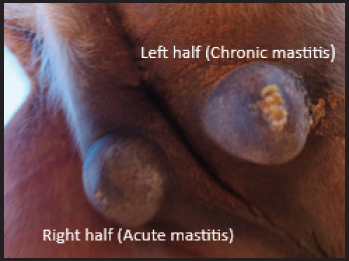
AbstractBackground: Mastitis in mares is an uncommon but clinically important condition that is often associated with milk accumulation and opportunistic bacterial infection. This report describes an unusual case of polymicrobial mastitis involving Streptococcus dysgalactiae subsp. equisimilis (SDSE) and multidrug-resistant Trueperella pyogenes. Case Description: A 5-year-old mare was presented with purulent discharge, swelling, and induration affecting one half of the udder. The left half of the udder showed chronic fibrotic changes and scarring, whereas the contralateral half showed signs of acute inflammation. Bacteriological examination of milk samples identified SDSE and a multidrug-resistant strain of T. pyogenes. Hematological findings were consistent with ongoing inflammation and included neutrophilia, mild anemia, and increased fibrinogen concentration. Treatment consisted of marbofloxacin (5 mg/kg IM for 5 days), flunixin meglumine (2.5 mg/kg IM for 5 days), and regular local wound care with hydrogen peroxide lavage and povidone-iodine packing. Clinical resolution was observed within 12 days, and no recurrence was reported during follow-up. Conclusion: This case highlights the pathogenic role of T. pyogenes and SDSE in equine mastitis, the value of culture-based antimicrobial selection, and the importance of timely diagnostic investigation, particularly in settings with limited resources. Keywords: Equine mastitis, Trueperella pyogenes, Streptococcus dysgalactiae subsp equisimilis (SDSE), Libya. IntroductionMastitis in mares is uncommon and most often affects animals during lactation or during the post-lactational period (Domańska et al., 2022). It has been reported in several equine breeds and may also occur in pregnant and non-pregnant dry mares (Hughes, 2021). Equine mastitis (EM) results from a complex interaction between physiological and environmental factors, including milk accumulation after foal loss, illness, weaning, inadequate milk drainage, and exposure to opportunistic pathogens (Perkins and Threlfall, 2002; Hughes, 2021). Although EM remains uncommon, it shares several etiological and microbiological features with bovine mastitis, which is much more prevalent in dairy cattle and is of major economic importance worldwide (Rzewuska et al., 2019). In both species, opportunistic pathogens, such as Trueperella pyogenes and Streptococcus spp., may be involved; however, the lower incidence in mares is likely related to differences in lactation physiology, husbandry, and the absence of routine commercial milking. EM is an uncommon disease that often affects one mammary half, with common clinical signs, including swelling, local heat, pain, purulent discharge, and ventral edema (Reed et al., 2017). Systemic signs may occur in more severe cases, including depression, anorexia, fever, and occasionally ipsilateral hind limb lameness (Perkins and Threlfall, 2002). These clinical features may also overlap with mammary neoplasia, which can complicate diagnosis and treatment. Streptococcus spp., Staphylococcus spp., and T. pyogenes (formerly Actinomyces pyogenes) are among the microorganisms most frequently associated with mastitis (Rzewuska et al., 2019). These bacteria may contribute to abscess formation and chronic suppurative inflammation. In more advanced cases, hematological abnormalities such as neutrophilia and hyperfibrinogenemia may be observed (Hughes, 2021). This report describes a rare case of EM in a 5-year-old mare presented to the Veterinary Clinic, Faculty of Veterinary Medicine, University of Tripoli, in which the diagnosis was based on clinical examination, hematological testing, and bacteriological findings. Case DetailsA 5-year-old mare was presented with unilateral swelling, induration, and hardening affecting the left mammary half. According to the clinical history, the mare had been purchased recently and had given birth 3 months ago, with no health problems reported at that time. The foal was adopted by a foster mare, leaving the dam without suckling or milking for several days. Subsequently, the mare developed pyrexia, lethargy, and reduced activity. The foal reportedly remained clinically normal. The owner also stated that the mare had received repeated intramuscular treatment with penicillin and dexamethasone–phenylbutazone combination (Dexaphenylarthrite®). Although a temporary improvement was observed, the clinical signs recurred, prompting further evaluation. On clinical examination, the left half of the udder was markedly hardened, consistent with chronic inflammation, whereas the right half was hot, swollen, tense, and painful on palpation, consistent with acute inflammation (Fig. 1). The left half had ruptured spontaneously and was discharging thick, creamy green pus. A further physical examination was conducted, revealing that the parameters were within normal limits (rectal temperature, 38.2°C; pink mucous membranes; capillary refill time <2 seconds, heart rate, 44 beats/min with normal rhythm and quality; adequate hydration status; no abnormalities detected on cardiac and pulmonary auscultation; and superficial lymph nodes were normal in size and consistency), supporting the absence of concurrent systemic disease.
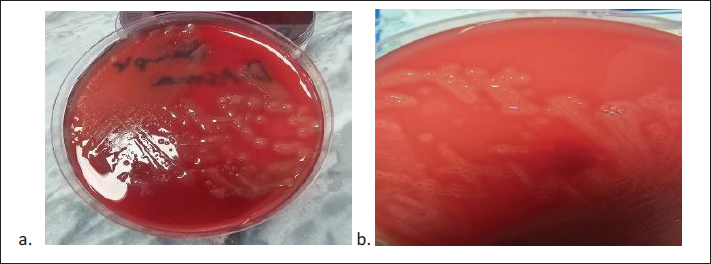
Fig. 1. The photograph of the mare’s mammary glands shows swelling, induration, and tension on the left side, along with creamy green pus discharging from the teat orifice (chronic mastitis), while the right side is swollen and tense (acute mastitis). A 10-ml blood sample was collected aseptically from the jugular vein into a tube containing K3EDTA. The sample was analyzed by complete blood count using an automated hematology analyzer (ADVIA® 2120, Siemens), including differential leukocyte evaluation and assessment of blood cell morphology. The hematological findings revealed mild neutrophilic leukocytosis, monocytosis, mild normocytic normochromic anemia, mild hyperfibrinogenemia (reference range: 1.0–4.0 g/l), and hypergammaglobulinemia, findings consistent with an ongoing chronic inflammatory response. Before sampling, the mammary gland was prepared aseptically using alcohol swabs and sterile gloves. Two milk samples were then collected aseptically, one from each mammary half, into separate sterile tubes and transported promptly to the laboratory for bacteriological analysis. Each sample was cultured directly on MacConkey agar and horse blood agar and incubated at 37°C for 24 hours. Colony morphology and growth characteristics were assessed, and then isolated colonies with distinct features were selected and subcultured on horse blood agar and incubated at 37°C for 24 hours. Pure colonies were examined by Gram staining and tested for catalase and oxidase activity. Definitive identification and antimicrobial susceptibility testing were performed using the VITEK 2 automated system. Only the milk sample obtained from the left mammary half yielded microbial growth. Culture on horse blood agar demonstrated growth of two bacterial species (Fig. 2). The selected colonies were Gram-positive and negative for both catalase and oxidase. The VITEK system identified the isolates as Streptococcus dysgalactiae subsp. equisimilis (SDSE) and T. pyogenes. Antimicrobial susceptibility testing showed that the Streptococcus isolate was susceptible to all tested agents, whereas T. pyogenes was resistant to ampicillin, erythromycin, clindamycin, clarithromycin, and azithromycin.
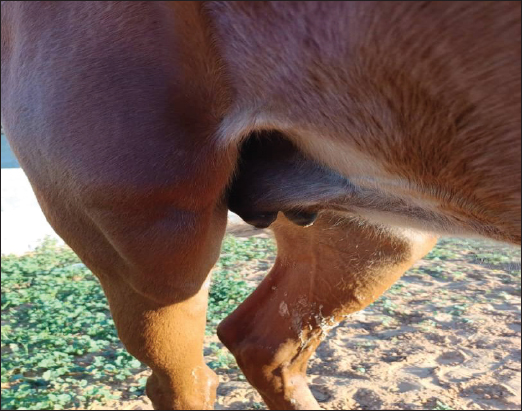
Fig. 2. Growth and cultural characteristics of SDSE on blood agar: (a) mixed bacterial growth and (b) beta-hemolytic colonies. The treatment plan included daily wound cleansing with 3% hydrogen peroxide and packing with 10.0% povidone-iodine-soaked gauze to promote debridement, antisepsis, and local healing. Marbofloxacin (5 mg/kg) was administered intramuscularly once daily for 5 days, and flunixin meglumine (2.5 mg/kg) was administered intramuscularly for 5 consecutive days to provide analgesic and anti-inflammatory support. Although mild normocytic normochromic anemia was present, no specific hematinic treatment was given because the mare remained clinically stable and maintained normal appetite and behavior. The owner was advised to provide free access to fresh water and good-quality forage. The mare was monitored daily, and complete resolution of swelling, heat, pain, and discharge was observed within 12 days, with no recurrence reported during follow-up (Fig. 3).
Fig. 3. A photograph of the mammary glands after treatment showing complete clinical resolution and healing with residual contraction/scarring. DiscussionChronic mastitis in mares is uncommon and often underdiagnosed, particularly when the clinical signs are mild or nonspecific; if diagnosis is delayed, abscess formation may occur (Rzewuska et al., 2019). In the present case, milk culture identified a mixed infection involving T. pyogenes and SDSE, both of which have been associated with mastitis in various animals (Bustos et al., 2023). Trueperella pyogenes is an opportunistic pathogen commonly found in the upper respiratory, gastrointestinal, and urogenital tracts of domestic animals, including horses, and it is associated with chronic purulent infections, such as mastitis, abscesses, and fistula formation (Ribeiro et al., 2015). It has previously been classified under several taxonomic names, including Corynebacterium pyogenes, Actinomyces pyogenes, and Arcanobacterium pyogenes (Quinn et al., 2011). Mastitis caused by this organism is much more commonly reported in cattle than in mares, likely because bovine milk production is monitored more closely, whereas clinical mastitis in mares is relatively rare. In the present case, T. pyogenes was isolated from the milk of the affected half, which was discharging thick, creamy pus. This finding is compatible with the known pathogenic properties of the organism, including the production of pyolysin and its association with tissue injury and suppurative inflammation (Ribeiro et al., 2015; Qi et al., 2021). Chronic fibrotic tissue may also reduce antimicrobial penetration, which can complicate treatment. In this case, antimicrobial selection was guided by susceptibility testing. Although human infection with T. pyogenes has been reported only rarely (Rzewuska et al., 2019), the organism should still be handled with appropriate caution during clinical and laboratory procedures. SDSE is a beta-hemolytic, Gram-positive bacterium belonging to Lancefield groups C or G and has been increasingly recognized in both human and veterinary medicine (Bustos et al., 2023). It may occur as a commensal organism on the skin and mucous membranes, but it can also act as an opportunistic pathogen and has been associated with placentitis, abortion, respiratory disease, and, less commonly, mastitis in mares (Rzewuska et al., 2019). Although beta-hemolytic Streptococcus-associated maternal mastitis has also been reported in dogs (Pereira et al., 2025), that finding should be interpreted as comparative evidence of pathogenic potential rather than direct proof of interspecies transmission in horses. The identification of both SDSE and T. pyogenes in this mare supports their clinical relevance in EM. SDSE is also recognized as an important human pathogen and has been associated with invasive disease, including bacteremia, cellulitis, urosepsis, and streptococcal toxic shock syndrome (Bustos et al., 2023). Nevertheless, the present case primarily demonstrates veterinary significance, and any public health implications should be interpreted cautiously and in the context of appropriate hygiene and biosafety practices. The current findings also underscore the importance of rational antimicrobial use. In fact, prior empirical treatment without documented susceptibility testing may have contributed to treatment failure in this mare. Unsupervised or inappropriate antibiotic use can promote antimicrobial resistance, emphasizing the need for veterinary oversight, laboratory testing, and antimicrobial stewardship in equine practice (Araújo et al., 2025). From a One Health perspective, complementary non-antibiotic approaches may deserve future investigation; however, evidence from other species, such as the reported use of phytotherapeutic agents in ovine mastitis, should be considered preliminary and not directly extrapolated to mares (Wahab et al., 2024). Cytological evaluation in EM may reveal numerous viable or degenerate neutrophils, necrotic debris, and other inflammatory elements, findings consistent with the purulent discharge observed in this case. The hematological findings recorded here, including mild normocytic normochromic anemia, neutrophilic leukocytosis, monocytosis, hyperfibrinogenemia, and hypergammaglobulinemia, are also consistent with a prolonged inflammatory process (Dunkel, 2018). Fibrosis and induration of the left mammary half, together with the creamy green purulent discharge, supported the presence of chronic infection. By contrast, the acute inflammatory changes observed in the right mammary half suggested concurrent acute involvement, although the overall hematological pattern was more consistent with chronic disease (Reed et al., 2017). In addition to clinical examination, bacteriological culture, and hematology, ancillary imaging may provide useful information in cases of EM. Ultrasonography can assist in the non-invasive assessment of mammary parenchyma and may help distinguish abscessation, fibrosis, and other structural changes. Where available, it may also support targeted sampling and improve therapeutic planning (Reed et al., 2017; Hughes, 2021). The therapeutic approach in this case combined systemic antimicrobial treatment with local wound management and was followed by a favorable clinical outcome. Daily irrigation with hydrogen peroxide and packing with povidone-iodine-soaked gauze supported local wound care. Marbofloxacin, a third-generation fluoroquinolone with good tissue penetration, was selected on the basis of antimicrobial susceptibility testing and published pharmacokinetic data in horses (Bousquet-Melou et al., 2002). Flunixin meglumine provided anti-inflammatory and analgesic support. The infection resolved clinically, and no recurrence was reported during follow-up. ConclusionThis case report highlights the importance of early recognition and comprehensive management of EM. Trueperella pyogenes and SDSE should be considered potential pathogens in mares with fibrosis, abscessation, or purulent mammary discharge. During weaning or periods of milk accumulation, careful monitoring of the mammary glands, appropriate hygiene, and timely veterinary intervention may help reduce the risk of mastitis. AcknowledgmentsNone. Conflict of interestThe authors have no conflicts of interest to declare. FundingNot applicable. Authors' contributionsM.A. Hiblu and M.O. Ahmed contributed equally to this case. Both authors have drafted and approved the final version of the manuscript. Data availabilityAll data analyzed during this study are included in this article. ReferencesAraújo, I.R.D.S., De Brito, E.L., De Melo, U.P., Mariz, A.L.B., Cavalheiro, M.T., Ferreira, C., De Morais, L.F. and De Souza, R.F. 2025. Knowledge levels regarding antibiotics and their use among horse owners in Rio Grande do Norte, Brazil. Braz. J. Vet. Med. 47, 425. Bousquet-Melou, A., South, B., Schneider, M. and Toutain, P.L. 2002. Pharmacokinetics of MLF in horses. Equine. Vet. J. 34, 366–372. Bustos, C.P., Retamar, G., Leiva, R., Frosth, S., Ivanissevich, A., Demarchi, M.E., Walsh, S., Frykberg, L., Guss, B., Mesplet, M. and Waller, A. 2023. Novel genotype of Streptococcus dysgalactiae subsp. equisimilis associated with mastitis in an Arabian filly: genomic approaches and phenotypic properties. J. Equine. Vet. Sci. 130, 104913. Domańska, D., Trela, M., Pawliński, B., Podeszewski, B. and Domino, M. 2022. The indicators of clinical and subclinical mastitis in equine milk. Animals 12, 440. Dunkel, B. 2018. Disorders of the hematopoietic system. Equine internal medicine (fourth ed.), St. Louis, MO: Elsevier, pp: 991–1028. Hughes, K. 2021. Development and pathology of the equine mammary gland. Mammary Gland Biol. Neoplasia 26, 121–134. Pereira, K.H.N.P., Mendonça, J.C., da Mata Fuchs, K., Xavier, G.M., Câmara, D.R., Souza, F.F. and Lourenço, M.L.G. 2025. Neonatal sepsis in dogs caused by beta-hemolytic Streptococcus sourced from maternal mastitis—case report. J. Clin. Res. Psychiatr. Psychiatr. Case Rep Vet Med. 2025, 6551231. Perkins, N.R. and Threlfall, W.R. 2002. Mastitis in the mare. Equine Vet. Educ. 14, 99–102. Qi, M., Liu, J., Jiang, Q., Niu, H., Wang, X., Zhou, D., Lin, P., Chen, H., Wang, A. and Jin, Y. 2021. Trueperella pyogenes pyolysin inhibits lipopolysaccharide-induced inflammatory response in endometrium stromal cells via autophagy- and ATF6-dependent mechanism. Braz. J. Microbiol. 52, 939–952. Quinn, P.J., Markey, B.K., Leonard, F.C., FitzPatrick, E.S., Fanning, S. and Hartigan, P.J. 2011. Veterinary microbiology and microbial disease (2nd ed.). Chichester, UK: Wiley-Blackwell. Reed, S.M., Bayly, W.M. and Sellon, D.C. 2017. Internal medicine in horses. Elsevier Health Sciences, Inc. Ribeiro, M.G., Risseti, R.M., Bolaños, C.A., Caffaro, K.A., De Morais, A.C., Lara, G.H., Zamprogna, T.O., Paes, A.C., Listoni, F.J. and Franco, M.M. 2015. Multispecies infections caused by Trueperella pyogenes in domestic animals: a retrospective study of 144 cases (2002–2012). Vet. Q. 35, 82–87. Rzewuska, M., Kwiecień, E., Chrobak-Chmiel, D., Kizerwetter-Świda, M., Stefańska, I. and Gieryńska, M. 2019. Pathogenicity and virulence of Trueperella pyogenes: a review. Int. J. Mol. Sci. 20, 2737. Wahab, B.A.A., Merah, M.H.M., Latif, A.D. and Gharban, H.A.J. 2024. Alternative therapeutic approach of ovine subclinical mastitis using the ethanolic roots extract of Capparis spinosa. Open Vet. J. 14(3), 814–821. | ||
| How to Cite this Article |
| Pubmed Style Hiblu MA, Ahmed MO. A rare case of equine mastitis. Open Vet. J.. 2026; 16(7): 4982-4986. doi:10.5455/OVJ.2026.v16.i7.76 Web Style Hiblu MA, Ahmed MO. A rare case of equine mastitis. https://www.openveterinaryjournal.com/?mno=313686 [Access: July 27, 2026]. doi:10.5455/OVJ.2026.v16.i7.76 AMA (American Medical Association) Style Hiblu MA, Ahmed MO. A rare case of equine mastitis. Open Vet. J.. 2026; 16(7): 4982-4986. doi:10.5455/OVJ.2026.v16.i7.76 Vancouver/ICMJE Style Hiblu MA, Ahmed MO. A rare case of equine mastitis. Open Vet. J.. (2026), [cited July 27, 2026]; 16(7): 4982-4986. doi:10.5455/OVJ.2026.v16.i7.76 Harvard Style Hiblu, M. A. & Ahmed, . M. O. (2026) A rare case of equine mastitis. Open Vet. J., 16 (7), 4982-4986. doi:10.5455/OVJ.2026.v16.i7.76 Turabian Style Hiblu, Murad Ali, and Mohamed Omar Ahmed. 2026. A rare case of equine mastitis. Open Veterinary Journal, 16 (7), 4982-4986. doi:10.5455/OVJ.2026.v16.i7.76 Chicago Style Hiblu, Murad Ali, and Mohamed Omar Ahmed. "A rare case of equine mastitis." Open Veterinary Journal 16 (2026), 4982-4986. doi:10.5455/OVJ.2026.v16.i7.76 MLA (The Modern Language Association) Style Hiblu, Murad Ali, and Mohamed Omar Ahmed. "A rare case of equine mastitis." Open Veterinary Journal 16.7 (2026), 4982-4986. Print. doi:10.5455/OVJ.2026.v16.i7.76 APA (American Psychological Association) Style Hiblu, M. A. & Ahmed, . M. O. (2026) A rare case of equine mastitis. Open Veterinary Journal, 16 (7), 4982-4986. doi:10.5455/OVJ.2026.v16.i7.76 |


